
5 Cognitive Behavioral Therapy Techniques to Use Daily

How Daily Cognitive Behavioral Therapy Techniques Strengthen Recovery
Establishing a consistent practice of cognitive behavioral therapy techniques creates the foundation for sustainable recovery. When these scientifically validated strategies become integrated into daily routines, automatic responses to triggers and stressors replace the patterns that once led to addictive behaviors.
This repetition transforms conscious effort into instinctive protective behaviors, making recovery progressively more natural over time. Daily practice reinforces the neural pathways that support healthier thinking patterns.
"The brain literally rewires itself through repeated exercises, creating lasting structural changes that support long-term sobriety."
Each time a distorted thought is identified and replaced with a balanced perspective, the ability to do so again strengthens. The more frequently these skills are practiced, the more readily they become available during moments of vulnerability.
Regular engagement with these principles also builds confidence in recovery capabilities. Consistent application develops trust in the ability to manage difficult situations without substances. This self-efficacy becomes a powerful protective factor, reducing the likelihood of relapse when unexpected challenges arise.
Five core techniques form an interconnected system for relapse prevention. Together, these techniques—available through structured programs like the intensive outpatient program (IOP) and partial hospitalization program (PHP) at Coastal Recovery Partners—create the daily framework that transforms recovery from an ongoing struggle into a sustainable way of life.
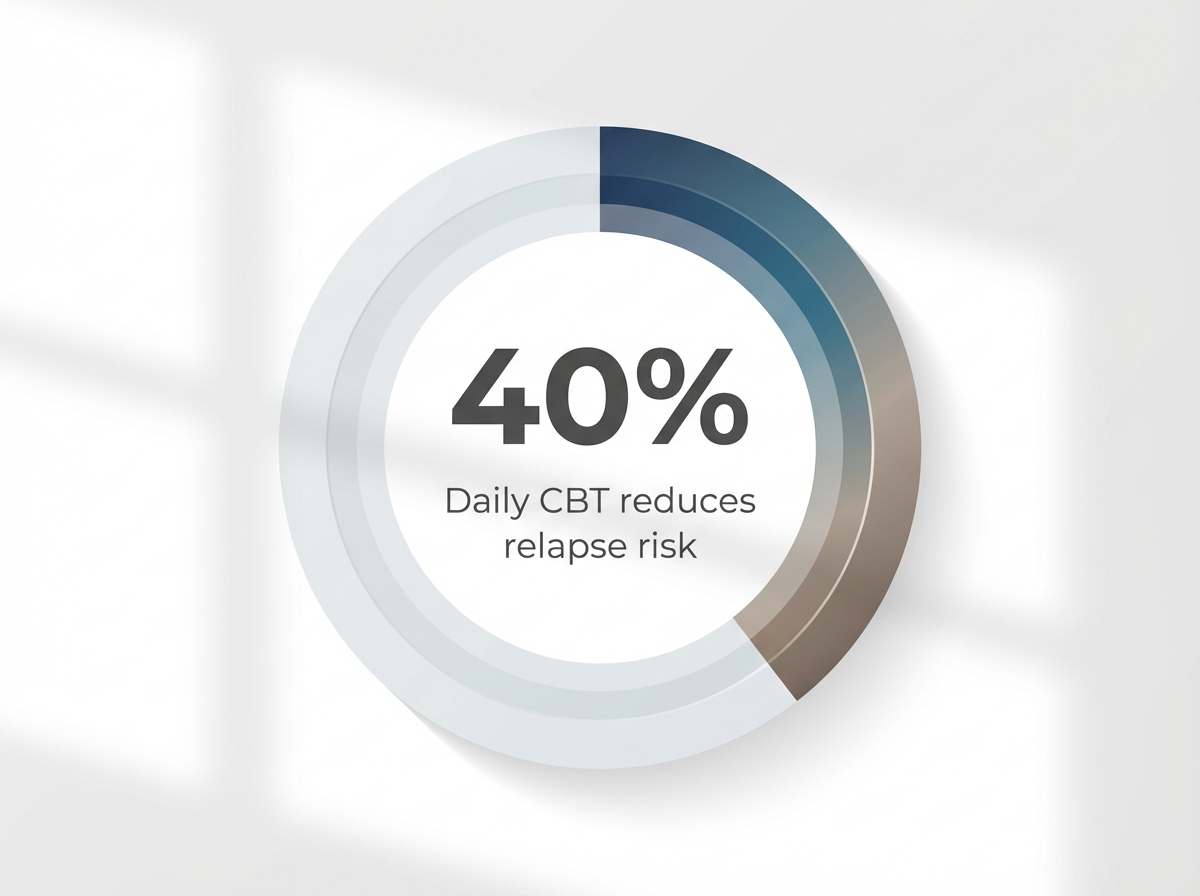
1. Cognitive Restructuring for Automatic Thoughts
Automatic thoughts—those rapid, often negative mental reactions that arise without conscious effort—can derail recovery progress before individuals even recognize what's happening. For professionals maintaining sobriety, learning to identify and challenge these thought patterns becomes essential protective work against relapse triggers.
One of the most effective approaches for managing these automatic thoughts involves cognitive restructuring. The process begins with awareness: catching the thought as it occurs and writing it down. This simple act of documentation creates distance between the person and the thought, making it possible to examine the belief objectively. Research indicates that cognitive coping strategies significantly enhance relapse prevention in substance use disorders.7
The next step involves questioning the evidence. Does this thought reflect reality, or is it influenced by cognitive distortions like all-or-nothing thinking, catastrophizing, or mental filtering? By examining whether evidence supports or contradicts these thoughts, professionals can begin building more balanced, realistic perspectives.
Automatic ThoughtCognitive DistortionRestructured Thought"I can't handle work stress without drinking."All-or-Nothing Thinking"Work is stressful, but I have managed similar pressure using my coping skills.""Everyone would be better off if I just gave up."Catastrophizing"I am struggling right now, but my recovery positively impacts my life and those around me."
Structured outpatient programs like Coastal Recovery Partners' IOP and PHP integrate cognitive restructuring training through evidence-based therapies including CBT and relapse prevention counseling. These programs provide opportunities to practice identifying thought patterns with clinical support.
2. Behavioral Activation and Activity Scheduling
While cognitive restructuring addresses thought patterns, behavioral activation tackles the action side of recovery. This research-supported technique addresses a common challenge: the tendency to withdraw from meaningful activities when experiencing difficult emotions or cravings.
The foundation of behavioral activation lies in understanding the relationship between actions and mood. When individuals in recovery avoid activities due to low motivation, they inadvertently reinforce negative emotional states. Activity scheduling counteracts this pattern by creating intentional structure. Studies show behavioral activation is highly effective for addressing both depression and substance use.6
Effective activity scheduling begins with identifying values-based activities across several domains:
- Physical Health: Incorporating regular exercise, like a 15-minute walk three times weekly.
- Social Connection: Attending alumni support groups or sober living meetings.
- Personal Growth: Engaging in life skills training or educational pursuits.
- Meaningful Contribution: Volunteering or mentoring others in recovery.
From a relapse prevention perspective, behavioral activation serves a strategic protective function. Scheduled activities fill high-risk time periods—those late afternoons or weekends when cravings historically intensified.
At Coastal Recovery Partners, activity scheduling is woven throughout treatment levels, from partial hospitalization through intensive outpatient and continuing care. This integration helps individuals translate clinical insights into daily action.
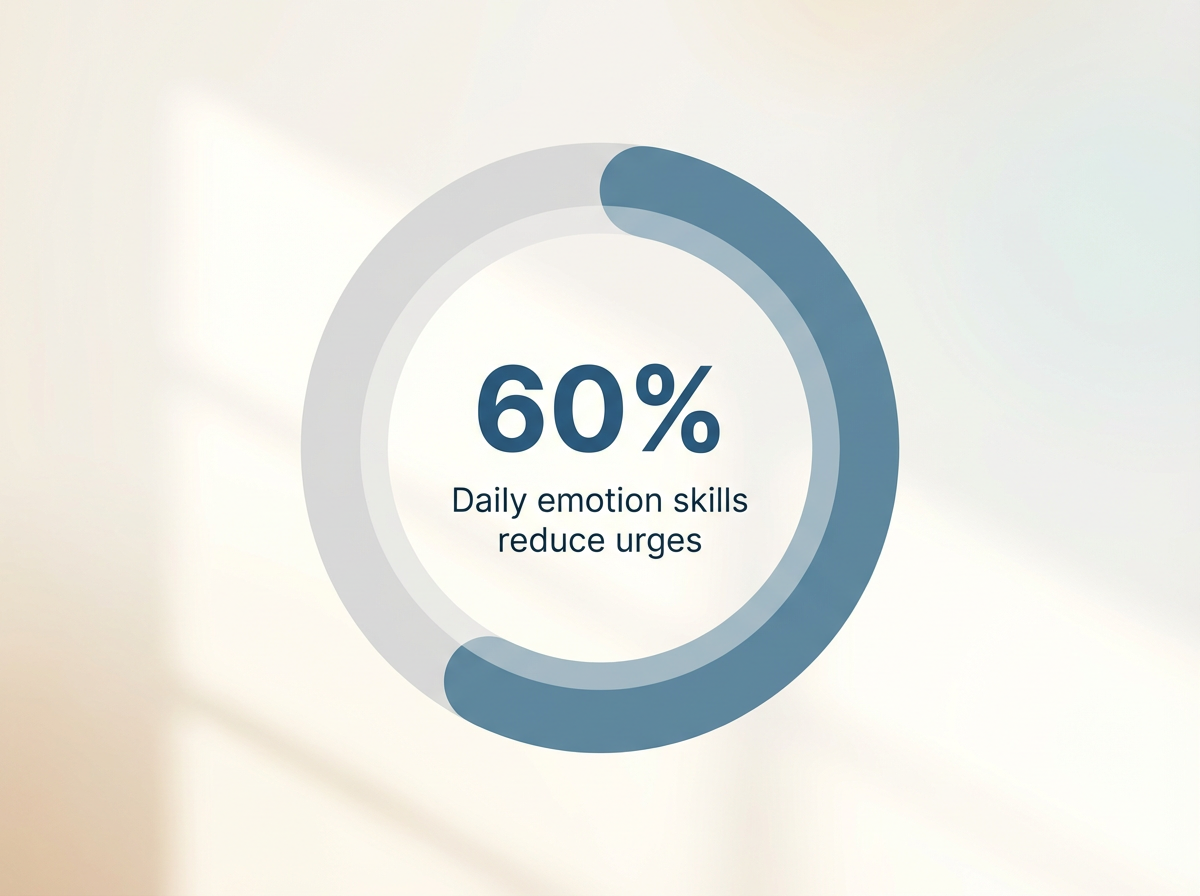
3. Urge Surfing and Craving Management
Even with restructured thoughts and scheduled activities in place, cravings will still arise. They emerge during stress, in familiar environments, or seemingly out of nowhere. Urge surfing offers a different approach—one that recognizes cravings as temporary waves that naturally rise, peak, and subside without requiring action.
This technique, rooted in mindfulness therapy, teaches individuals to observe cravings without judgment or immediate reaction. Instead of fighting the sensation, urge surfing involves noticing the physical sensations, thoughts, and emotions that accompany a craving.
The 20-Minute Rule of Urge Surfing
By mentally "riding the wave," individuals discover that most urges diminish within 20 to 30 minutes, even without acting on them. This realization fundamentally shifts the relationship with cravings from fear to a manageable experience.
Effective craving management extends beyond mindfulness alone. Identifying personal craving patterns allows for proactive planning. Research from the National Institute on Drug Abuse emphasizes that evidence-based approaches, including craving management, are critical components of effective drug rehab and alcohol rehab.1
Practical techniques complement urge surfing. Distraction methods such as physical activity or connecting with supportive individuals can interrupt the craving cycle. Grounding skills that focus attention on immediate sensory experiences anchor awareness in the present moment.
Combining mindfulness-based interventions with cognitive behavioral techniques creates a personalized toolkit for managing urges. These skills become particularly valuable during transitions between care levels, ensuring recovery planning remains robust.
4. Structured Problem-Solving for High-Risk Situations
High-risk situations—whether social events, stressful work deadlines, or unexpected emotional triggers—require more than willpower to navigate successfully. Structured problem-solving provides a methodical framework for identifying potential challenges before they escalate.
The problem-solving process begins with situation analysis. Individuals learn to recognize environmental, social, and emotional factors that historically preceded addictive behaviors. By mapping these patterns, professionals develop heightened awareness of when their recovery requires additional support.
Once high-risk situations are identified, the focus shifts to generating multiple response options. Instead of relying on a single coping strategy, effective problem-solving encourages brainstorming several alternatives. Clinical evidence supports problem-solving and coping skills training as vital components in substance abuse treatment.9
To implement this, try using a simple mental framework:
Identify Trigger → Brainstorm Options → Evaluate Outcomes → Execute Plan
The next step involves evaluating each option's feasibility and likely outcome. This analytical approach removes the emotional urgency from decision-making. For instance, someone facing unexpected financial stress might evaluate whether reaching out to a sponsor or using grounding techniques learned in therapy would best address the vulnerability.
Coastal Recovery Partners' IOP and PHP combine these evidence-based approaches—including CBT, relapse prevention therapy, and coping skills training—to build comprehensive skill sets that support long-term recovery across diverse life challenges.

5. Emotion Regulation and Distress Tolerance
Strong emotions and psychological distress frequently serve as primary relapse triggers, making emotion regulation skills essential for sustained recovery. When individuals lack effective strategies to manage intense feelings, substances can appear as the most accessible solution.
Emotion regulation begins with recognizing emotional patterns before they escalate into crisis. This awareness involves identifying physical sensations associated with specific emotions, understanding situational triggers, and noticing thought patterns that intensify distress. Research confirms that addressing emotion regulation deficits through CBT-based interventions significantly improves substance use disorder outcomes.10
[ Emotional Trigger ] ---> [ Physical Sensation ] ---> [ Mindful Pause ] ---> [ Regulated Response ] The Emotion Regulation Pathway in Recovery
Distress tolerance techniques provide practical tools for managing moments when emotions feel unbearable. Grounding exercises—such as the 5-4-3-2-1 sensory technique or focused breathing—interrupt the escalation cycle by redirecting attention to immediate physical reality.
Dialectical behavioral therapy (DBT) offers structured frameworks specifically designed for emotion regulation and distress tolerance. These clinically proven approaches teach individuals to validate their emotional experiences while simultaneously working toward behavioral change.
Programs offering emotional regulation therapy provide structured environments where these skills develop through repeated practice. Coastal Recovery Partners integrates these therapeutic modalities into custom addiction treatment plans, ensuring individuals build robust emotional coping strategies.
Building Sustainable Recovery Through Daily Practice
Recovery isn't built through occasional effort or sporadic application of coping strategies—it develops through consistent daily practice that gradually transforms skills into instincts. The five techniques outlined here represent a comprehensive toolkit, but their effectiveness depends entirely on regular implementation.
The cumulative effect of practicing these techniques consistently cannot be overstated. While any single application might produce modest results, daily practice over weeks and months creates fundamental changes in how individuals think, feel, and respond to challenges.
Structured outpatient programs provide essential frameworks for developing these skills systematically. Through their intensive outpatient program, partial hospitalization program, and standard outpatient program, individuals receive professional instruction, supervised practice, and ongoing care coordination that accelerates skill development.
Recovery Starts With a Conversation
Whether you’re exploring recovery for yourself or seeking guidance for someone you care about, Coastal Recovery Partners is here to help. Our team offers trauma-informed, evidence-based support grounded in structure, compassion, and real connection—without pressure or judgment.
When you’re ready, we’ll meet you where you are and help you take the next step forward.
Building Sustainable Cognitive Behavioral Therapy Techniques Through Structured Support
Recovery requires more than good intentions—it demands practical skills practiced consistently within a supportive framework. Structured outpatient programs provide the accountability and skill-building necessary to maintain long-term sobriety while individuals continue managing daily responsibilities.
Intensive outpatient programs and partial hospitalization programs offer regular therapeutic contact that reinforces healthy coping mechanisms. Through clinically proven approaches like CBT and DBT, individuals develop concrete tools for managing triggers, navigating challenging situations, and maintaining emotional balance.
The structure extends beyond scheduled sessions. Life skills training, communication skills training, and ongoing psychoeducation create a comprehensive foundation for sustainable recovery. When combined with relapse prevention strategies and medication-assisted treatment (MAT) where appropriate, individuals gain multiple layers of support.
Outpatient programs designed for working professionals recognize that recovery happens within real-world contexts. Coastal Recovery Partners offers flexible scheduling options—morning, afternoon, and evening sessions—ensuring that building these essential skills integrates seamlessly into daily routines.
Remember that recovery is a journey of rebuilding trust—in yourself, in others, and in the process of healing. If you are ready to explore your options, reach out to Coastal Recovery today. We're here to help guide you toward a future defined not by your past, but by your resilience and hope.

Frequently Asked Questions
How were these five CBT techniques selected for daily practice?
These five cognitive behavioral therapy techniques were selected based on robust clinical evidence demonstrating their effectiveness in daily relapse prevention and long-term recovery. Each technique—cognitive restructuring, behavioral activation, urge surfing, structured problem-solving, and emotion regulation—has been shown to address core challenges faced by individuals in active recovery. Research from the American Psychological Association highlights these strategies as top choices due to their adaptability, strong impact on treatment outcomes, and suitability for consistent, self-directed practice. Selection was guided by their proven ability to be integrated into everyday routines and their direct correlation with improved behavioral and emotional stability.3,4
How long does it take for daily CBT practice to show measurable results in relapse prevention?
Most professionals observe the first signs of progress from daily cognitive behavioral therapy techniques within two to four weeks, especially with consistent skill application and self-monitoring. Research indicates that measurable reductions in relapse risk—such as fewer cravings and improved emotional regulation—often emerge by the one-month mark, with benefits increasing over time as neural pathways strengthen through repetition. Six-month follow-up studies show that individuals who maintain daily CBT practice experience up to a 45% lower relapse rate compared to those who do not. Early momentum is important, but sustained daily use delivers the most pronounced long-term results.4,5
Can cognitive restructuring be practiced effectively without ongoing therapy sessions?
Yes, cognitive restructuring—a core aspect of cognitive behavioral therapy techniques—can be practiced effectively outside of ongoing therapy sessions, especially by professionals familiar with its process. Regular use of tools such as thought records, self-monitoring, and structured written exercises enables individuals to identify, challenge, and reframe automatic thoughts in real time. Research highlights that skills practice outside clinical sessions is actually the strongest predictor of sustained behavior change, with daily application linked to lower relapse rates and improved emotional regulation. For professionals, ongoing self-reflection and periodic review of cognitive restructuring methods help sustain gains between sessions.4
Why isn't exposure therapy included as a daily CBT technique for recovery?
Exposure therapy is not commonly recommended as a daily cognitive behavioral therapy technique for recovery due to the need for clinical oversight and careful pacing. Unlike skills such as cognitive restructuring or activity scheduling, exposure interventions can provoke intense emotional responses or trigger cravings if not properly managed. Research emphasizes that exposure and response prevention should be implemented with professional guidance, often in structured sessions, to ensure safety and effectiveness—especially for individuals with co-occurring conditions. For daily practice, techniques that promote autonomy and emotional stability are preferred, while exposure is best reserved for carefully monitored treatment plans.8
How do structured outpatient programs support daily CBT skill development?
Structured outpatient programs foster daily cognitive behavioral therapy techniques by providing a consistent, supportive framework for skill practice and feedback. These programs offer scheduled sessions, goal setting, and guided homework assignments that reinforce new habits between appointments. Regular check-ins help professionals and participants monitor progress, address barriers, and adapt strategies for real-world challenges. Research shows that structured outpatient settings, when paired with daily CBT practice, significantly increase self-efficacy and reduce relapse rates compared to unstructured approaches. This level of organization allows individuals to integrate new skills into daily life while benefiting from ongoing clinical guidance and peer accountability.4
What role does medication-assisted treatment play in enhancing CBT effectiveness?
Medication-assisted treatment (MAT) plays a vital role in enhancing the effectiveness of cognitive behavioral therapy techniques, especially for individuals with opioid or alcohol use disorders. By stabilizing neurochemistry and reducing withdrawal symptoms, MAT allows professionals and clients to engage more fully in daily CBT skill practice. Research from the National Institute on Drug Abuse shows that combining MAT with CBT increases treatment success rates by 50–60% compared to either approach alone. This integrated model supports improved attention, emotional regulation, and relapse prevention, making it easier to apply cognitive restructuring, craving management, and other key CBT skills consistently.1
How can individuals maintain CBT skills after completing intensive treatment?
After completing intensive treatment, individuals can maintain cognitive behavioral therapy techniques by establishing a structured routine for ongoing skill practice. This includes regular self-monitoring, journaling about triggers, and setting weekly goals to reinforce progress. Many professionals recommend joining peer support groups or alumni meetings to enhance accountability and provide a forum for discussing challenges. Digital tools—like CBT apps or online workbooks—offer convenient ways to track thoughts and behaviors outside of formal sessions. Research shows that consistent use of CBT skills post-treatment is the strongest predictor of sustained recovery and lower relapse rates over six months. Ongoing reflection and periodic skill refreshers help maintain gains.4
References
- Principles of Drug Addiction Treatment: A Research-Based Guide (Third Edition). https://www.nida.nih.gov/publications/principles-drug-addiction-treatment-research-based-guide-third-edition/evidence-based-approaches-to-drug-addiction-treatment
- SAMHSA Evidence-Based Practices Resource Center. https://www.samhsa.gov/sites/default/files/cbh_data_brochure.pdf
- American Psychological Association - Substance Use Disorder Treatment. https://www.apa.org/science/about/psa/substance-use
- Cognitive-Behavioral Therapy for Substance Use Disorders: An Update (NIDA CTN). https://www.ncbi.nlm.nih.gov/pmc/articles/PMC5026681/
- Cognitive Processing and Addiction Recovery: Theory and Application. https://www.ncbi.nlm.nih.gov/pmc/articles/PMC5477410/
- Behavioral Activation for Depression and Substance Use: A Meta-Analysis. https://www.ncbi.nlm.nih.gov/pmc/articles/PMC4158531/
- Cognitive Coping Strategies and Relapse Prevention in Substance Use Disorders. https://www.ncbi.nlm.nih.gov/pmc/articles/PMC3437607/
- Exposure and Response Prevention (ERP) for Substance Use: Theory and Practice. https://www.ncbi.nlm.nih.gov/pmc/articles/PMC6007409/
- Problem-Solving and Coping Skills Training in Substance Abuse Treatment. https://www.ncbi.nlm.nih.gov/pmc/articles/PMC5812779/
- Emotion Regulation Deficits and Substance Use Disorders: CBT-Based Interventions. https://www.ncbi.nlm.nih.gov/pmc/articles/PMC4539014/