
Outpatient Rehab Westbook ME Locals Can Trust

Why Outpatient Rehab Westbrook ME Fits Modern Lives
Flexibility Without Sacrificing Outcomes
For professionals seeking outpatient rehab Westbrook ME, the primary concern is often how to balance necessary clinical care with the demands of a career and family. The misconception that effective treatment requires a total exit from daily life is outdated. Modern outpatient models are designed as a powerful toolset that integrates into your schedule, rather than forcing you to pause it.
Unlike residential programs, Intensive Outpatient (IOP) and Partial Hospitalization (PHP) allow you to attend evidence-based sessions—often in the morning, afternoon, or evening—while maintaining employment. Research indicates that when structured correctly, these outpatient approaches deliver outcomes equivalent to residential treatment for most individuals.1,2
Business Application: Outpatient models make it feasible for professionals to maintain productivity, avoid career disruption, and access high-level clinical support simultaneously.
Matching Care Intensity to Individual Needs
Effective recovery is not a static process; it requires a dynamic adjustment of care intensity. Leading programs utilize frameworks like the ASAM Criteria to modulate support levels based on clinical necessity and life obligations. This ensures that you are not over-treated or under-supported.10
Treatment should function like a dimmer switch rather than an on/off toggle. A typical progression for a professional might look like this:
- Partial Hospitalization (PHP): High-intensity stabilization (20+ hours/week) for acute needs.
- Intensive Outpatient (IOP): Moderate intensity (9–15 hours/week) allowing for return to work.
- Outpatient (OP): Low intensity (1–3 hours/week) for maintenance and check-ins.
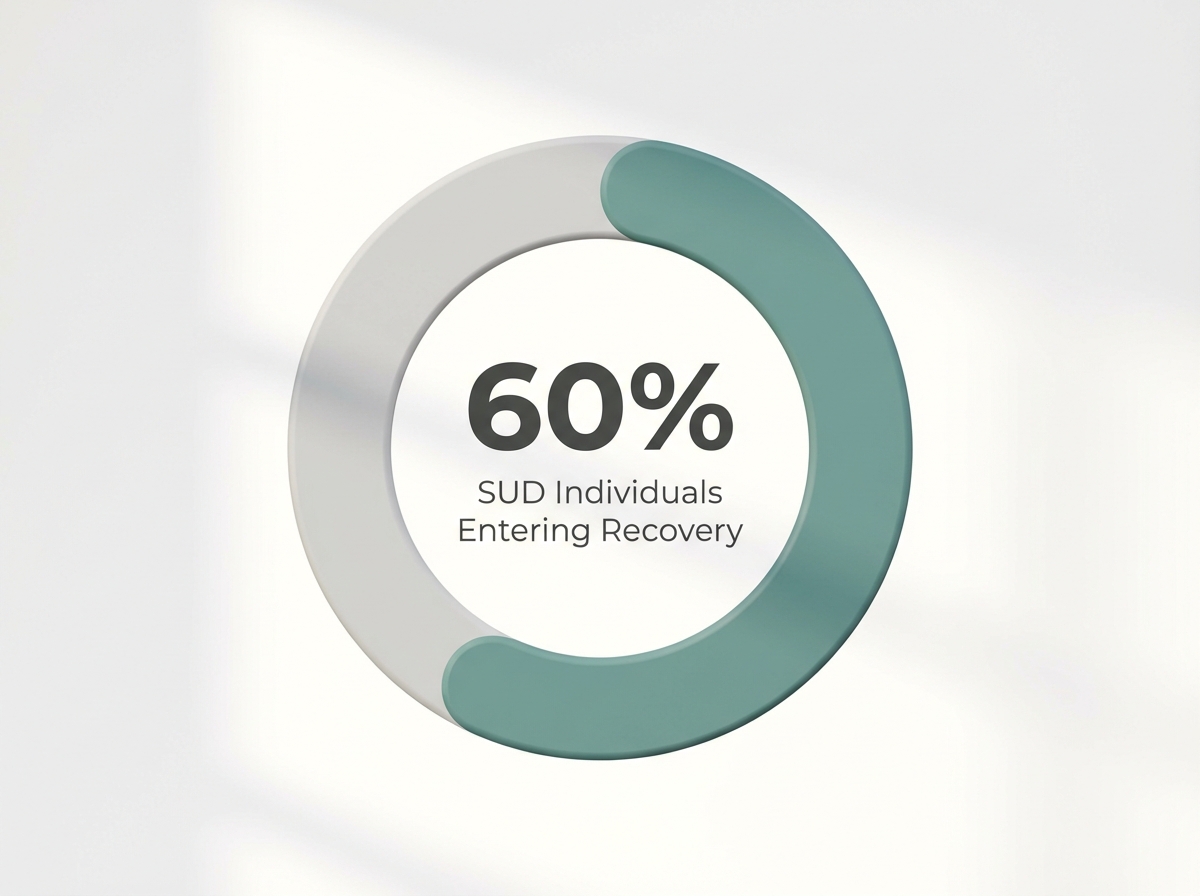
Research confirms that outcomes depend more on the right intensity and duration—typically a minimum of 90 days—than on the specific setting. This flexible progression reduces drop-out rates and supports sustained recovery by meeting evolving needs.1,2
Evidence-Based Therapies That Drive Recovery
Cognitive and Behavioral Interventions
Cognitive and behavioral interventions form the backbone of effective clinical programming. These are not passive "talk therapy" sessions but active training grounds for mental regulation.
"Cognitive Behavioral Therapy (CBT) focuses on identifying distorted thinking and replacing it with healthier beliefs, while Dialectical Behavioral Therapy (DBT) adds skills for emotional regulation and distress tolerance."
For a professional, these therapies provide a specific toolkit for high-pressure environments:
- Distress Tolerance: Managing crisis moments without impulsive reactions.
- Interpersonal Effectiveness: Navigating conflict in the workplace or home without compromising recovery.
- Emotion Regulation: Understanding and labeling emotions to prevent them from driving behavior.
Skill Checkpoint: You are ready for advanced techniques when you can identify a personal trigger and immediately apply a specific CBT restructuring technique to neutralize it.
Medication-Assisted Treatment Integration
Medication-Assisted Treatment (MAT) is the integration of FDA-approved medications with counseling and behavioral therapies. For individuals managing opioid or alcohol use disorders, this combination is often the gold standard for stabilizing brain chemistry and preventing relapse.
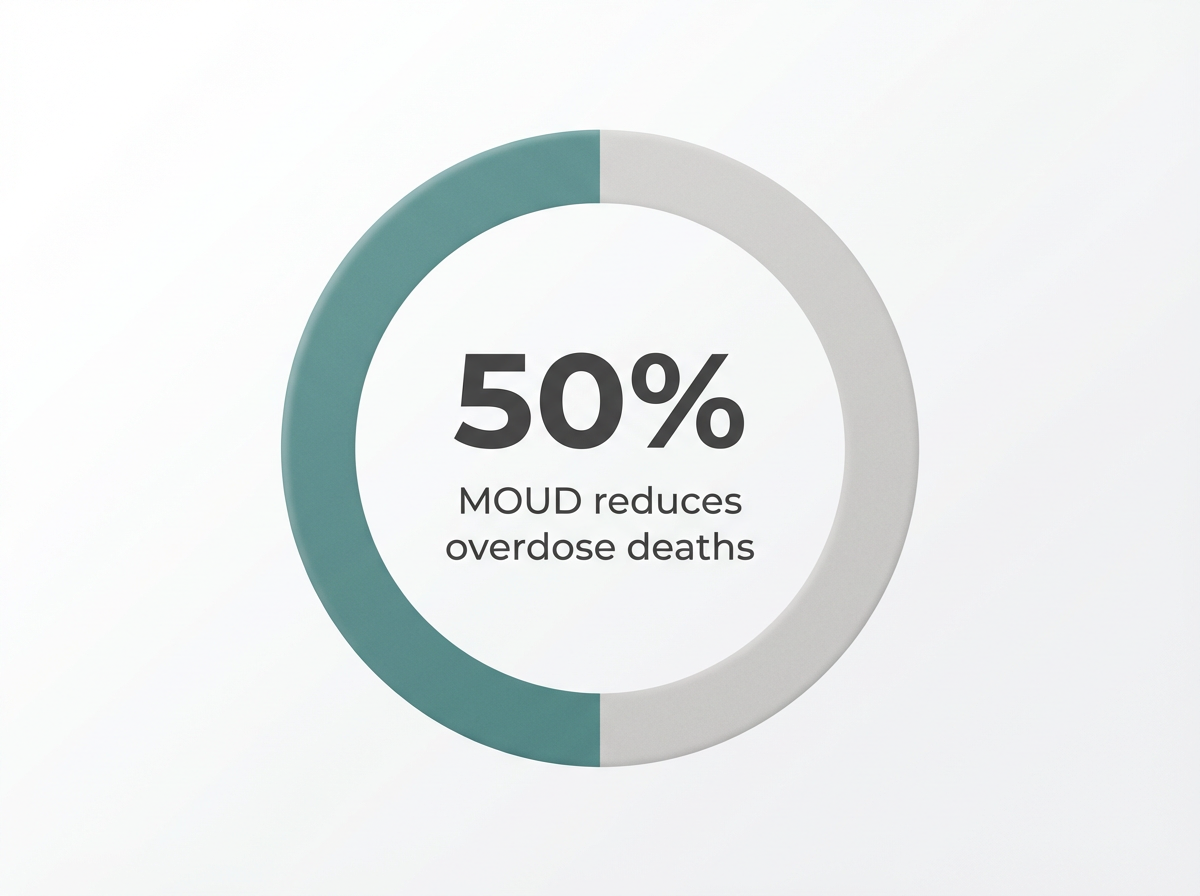
Think of MAT as the foundation that stabilizes the physiological structure, allowing therapy to build the interior skills. Medications such as buprenorphine or naltrexone help normalize brain function and block the euphoric effects of substances. Data indicates that individuals with opioid use disorder who receive MAT are 50% less likely to die from overdose compared to those receiving therapy alone.4
View MAT Implementation Strategy
A typical MAT plan for a working professional involves:
- Induction: Initial medical assessment to determine dosage.
- Stabilization: Weekly medical checks combined with therapy sessions.
- Maintenance: Monthly checks once stability is achieved, minimizing work disruption.
Addressing Co-Occurring Mental Health Needs
Dual Diagnosis Treatment Frameworks
It is statistically probable that substance use is accompanied by a mental health condition; research shows about 50% of individuals experience both. Dual diagnosis frameworks treat these conditions simultaneously rather than sequentially.3
Imagine a two-lane highway where traffic in one lane affects the other. Treating only the addiction (one lane) while ignoring untreated depression or anxiety (the other lane) inevitably leads to a crash. Integrated care models use coordinated teams to address both, ensuring that symptoms of anxiety or trauma do not trigger a relapse in substance use.
Business Application: For professionals, this means fewer disruptions to work performance caused by untreated mental health symptoms, leading to improved overall executive functioning.
Trauma-Informed Care Protocols
Trauma-informed care is a safety protocol that governs every interaction within a treatment facility. It shifts the clinical perspective from "What is wrong with you?" to "What happened to you?" This is critical for preventing retraumatization during the recovery process.
When evaluating a provider, look for these trauma-informed indicators:
- Transparency: Clear, written explanations of all procedures and costs.
- Choice: Collaborative decision-making regarding treatment goals.
- Safety: Physical and emotional environments that prioritize privacy and predictability.
Research identifies trust as a critical factor for engagement. When professionals feel safe and respected, retention rates improve, leading to better long-term prognosis.7
Building Sustainable Recovery Systems
Relapse Prevention and Skill Development
Sustainable recovery relies on the development of a personal emergency toolkit. Relapse prevention is not about willpower; it is about anticipating high-risk situations and having pre-planned responses. Evidence-based approaches incorporate mindfulness and cognitive restructuring to manage cravings.6,7
To operationalize this, professionals should develop a "If/Then" protocol for high-stress scenarios:
Personal Use: Practicing these skills in real-world settings during outpatient treatment makes recovery an active, daily process rather than a theoretical concept.
Coordinating Care Across Treatment Levels
The recovery journey functions like a relay race where the baton must be passed smoothly between stages to avoid dropping the progress made. Coordinated care ensures that as a client moves from PHP to IOP to OP, the clinical team communicates vital information to prevent gaps in support.
Structured pathways and regular progress reviews allow for:
- Step-Down Care: Reducing intensity as stability increases.
- Step-Up Care: Increasing support during life crises or relapse risks.
- Long-term Monitoring: Ongoing check-ins to maintain accountability.
Evidence shows that coordinated transitions significantly improve retention and long-term outcomes. For the professional, this means support adjusts to your career demands, never leaving you without resources.8
Accessing Professional Outpatient Rehab Westbrook ME Care
When you are ready to seek help for addiction, the logistical barrier of "how" often looms larger than the "why." For professionals in the Westbrook area, finding a partner that understands the need for discretion, flexibility, and clinical excellence is paramount. Recovery should not require dismantling the life you have worked to build.
Coastal Recovery Partners, located nearby in South Portland, specializes in outpatient programs specifically structured for individuals balancing recovery with professional responsibilities. Their continuum of care includes:
- Intensive Outpatient (IOP) & Partial Hospitalization (PHP): High-frequency support with morning, afternoon, and evening options to accommodate work schedules.
- Clinical Excellence: Under the guidance of Medical Director Dr. Brian K. Adler and Clinical Director Spencer Josey, the team delivers trauma-informed care utilizing CBT, DBT, and Motivational Interviewing.
- Integrated Medicine: Coordinated Medication-Assisted Treatment (MAT) and dual diagnosis support for co-occurring anxiety or depression.
Navigating insurance and admissions can be complex. Coastal Recovery Partners provides dedicated care coordination to manage these administrative hurdles, allowing you to focus entirely on your health. By choosing a program that respects your time and intelligence, you can build a sustainable recovery that enhances, rather than interrupts, your professional trajectory.
Remember that recovery is a journey of rebuilding trust—in yourself, in others, and in the process of healing. If you are ready to explore your options, reach out to Coastal Recovery today. We're here to help guide you toward a future defined not by your past, but by your resilience and hope.
Recovery Starts With a Conversation
Whether you’re exploring recovery for yourself or seeking guidance for someone you care about, Coastal Recovery Partners is here to help. Our team offers trauma-informed, evidence-based support grounded in structure, compassion, and real connection—without pressure or judgment.
When you’re ready, we’ll meet you where you are and help you take the next step forward.

Frequently Asked Questions
How long should someone plan to stay in outpatient treatment for optimal outcomes?
For optimal outcomes in outpatient rehab Westbrook ME, most individuals should plan on at least 90 days of structured treatment. Research consistently finds that remaining in outpatient care for a minimum of three months is the strongest predictor of long-term recovery and sustained improvements, regardless of the specific program type. Treatment can extend beyond this period based on each person’s progress and ongoing needs, with step-down options available for continued support. Professionals benefit from this flexible length-of-stay model, as it allows them to maintain work responsibilities while building a solid recovery foundation. Periodic progress reviews help tailor duration to individual goals.2
What happens if insurance denies coverage or only partially covers outpatient treatment?
When insurance denies or only partially covers outpatient rehab Westbrook ME, professionals often face difficult decisions about continuing care. Data show that 24.7% of those seeking opioid use disorder treatment cite lack of insurance coverage as a top barrier, while 38.2% report difficulty using their insurance. If coverage issues arise, individuals may need to appeal denials, explore sliding-scale options, or seek community-based grants. Many programs offer care coordination to help navigate these challenges and identify alternative funding streams. Staying engaged with clinical support, even if coverage changes, is critical for sustained recovery success.2,9
Can someone transition between different levels of outpatient care as their needs change?
Yes, individuals can transition between different levels of outpatient care in outpatient rehab Westbrook ME as their needs evolve. Programs commonly use frameworks like the ASAM Criteria to guide these transitions, ensuring that support can be increased during high-risk periods or reduced as stability improves. This flexibility allows for step-up (to partial hospitalization or intensive outpatient) or step-down (to standard outpatient) adjustments, which is central for professionals balancing treatment with work and life responsibilities. Research shows that such coordinated transitions help prevent treatment gaps and improve long-term retention in recovery. Ongoing clinical assessment ensures care remains a good fit as needs change.10,2
How do outpatient programs address polysubstance use or emerging drug threats?
Outpatient rehab Westbrook ME programs address polysubstance use and emerging drug threats by using adaptable, evidence-based approaches. Teams regularly screen for multiple substances, including new risks like xylazine and synthetic opioids, and update treatment plans accordingly. Clinical interventions often combine medication-assisted treatment (MAT), cognitive-behavioral therapy, and ongoing toxicology monitoring to manage complex patterns of use. Staff are trained to identify symptoms from various substances and to educate participants about shifting drug trends. This vigilance allows for quick adjustment of safety protocols and care plans, ensuring that professionals remain protected against new overdose risks or withdrawal complications. Coordinated care and frequent reassessment keep treatment responsive and effective.14
What role does family involvement play in outpatient recovery success?
Family involvement plays a significant role in the success of outpatient rehab Westbrook ME programs by providing emotional support, accountability, and a stable recovery environment. Research shows that including family or close support systems in treatment can improve engagement, reduce relapse rates, and help address underlying dynamics that contribute to substance use. Outpatient models encourage participation in counseling sessions, education groups, or family meetings, enabling loved ones to better understand the recovery process and communicate more effectively. For professionals, family involvement helps balance work, home, and treatment demands while reinforcing positive change outside clinical settings. This collaborative approach supports more sustainable recovery outcomes.7
Are telehealth options available for outpatient treatment sessions?
Yes, telehealth options are increasingly available for outpatient treatment sessions in outpatient rehab Westbrook ME. Many programs now offer virtual therapy, medication management, and group support via secure video platforms, making it easier for professionals to attend sessions from home or work. This shift was accelerated by the COVID-19 pandemic, which led to widespread adoption of telehealth and improved access for those with busy schedules or transportation barriers. Studies show that telehealth-based addiction treatment can provide outcomes comparable to in-person care, especially when integrated with evidence-based therapies and regular clinical monitoring. Always check with your provider for specific telehealth offerings and eligibility.1
References
- Substance Abuse Intensive Outpatient Programs - PMC. https://pmc.ncbi.nlm.nih.gov/articles/PMC4152944/
- Substance Use Disorder Treatment Outcomes - PMC. https://pmc.ncbi.nlm.nih.gov/articles/PMC12180564/
- Dual Diagnosis (Co-Occurring Disorders) - Cleveland Clinic. https://my.clevelandclinic.org/health/diseases/24426-dual-diagnosis
- Medication-Assisted Treatment ("MAT") for Opioid Use Disorder. https://www.naco.org/resource/osc-mat
- Medication-Assisted Treatment for Opioid Use Disorder - CDC. https://www.cdc.gov/niosh/docs/wp-solutions/2019-133/pdfs/2019-133.pdf
- Reducing Relapse Risk - Whole Health Library. https://www.va.gov/WHOLEHEALTHLIBRARY/tools/reducing-relapse-risk.asp
- Recommend Evidence-Based Treatment: Know the Options. https://www.niaaa.nih.gov/health-professionals-communities/core-resource-on-alcohol/recommend-evidence-based-treatment-know-options
- Mindfulness Meditation: A Promising Remedy for Addiction and Chronic Pain. https://uofuhealth.utah.edu/newsroom/news/2024/05/mindfulness-meditation-promising-remedy-addiction-and-chronic-pain
- Barriers to opioid use disorder treatment: A comparison of self. https://pmc.ncbi.nlm.nih.gov/articles/PMC10158842/
- About the ASAM Criteria. https://www.asam.org/asam-criteria/about-the-asam-criteria