
Discreet Outpatient Treatment: Rebuilding Without the Risk

What Discreet Outpatient Treatment Maine Means
Defining Privacy-Protected Recovery Care
Defining privacy-protected recovery care is a bit like having a safe, quiet room where you can work on personal challenges without worrying about anyone watching or judging. In the world of addiction recovery, this means that people can seek help for substance use without fear that their private struggles will become public knowledge. Discreet outpatient treatment Maine is designed with this goal in mind, offering a blend of support and therapy while making sure personal details remain confidential and secure.
These programs allow individuals to attend scheduled therapy sessions, participate in group counseling, or receive medication-assisted treatment, all while living at home and carrying on with work or family life. This approach is especially helpful for those who value their privacy, such as professionals or parents, because it reduces the risk of unwanted disclosure and helps them maintain their daily routines.
"Research shows that flexible, privacy-protected outpatient care can be just as effective as more traditional inpatient programs, as long as there is structure and accountability in place."1
At the heart of discreet outpatient treatment Maine is a commitment to respect each person’s boundaries. Providers offer a range of services—including evidence-based therapies, telehealth options, and ongoing support—to help individuals rebuild their lives without sacrificing privacy or dignity.

How Confidentiality Laws Protect Patients
Confidentiality laws act like a strong lock on a diary, keeping your personal recovery details safe from anyone who isn’t supposed to see them. In the United States, two main laws—HIPAA (Health Insurance Portability and Accountability Act) and 42 CFR Part 2—work together to protect people who seek help for substance use. These laws make sure that what happens in discreet outpatient treatment Maine stays private, including your diagnosis, treatment plans, and progress notes.
Legal Protections for Recovery
- HIPAA: Protects general medical information and ensures data security.
- 42 CFR Part 2: Specifically protects substance use disorder records, requiring explicit written consent for disclosure.
- Employment Protection: Federal regulations state that prior drug and alcohol treatment does not show up on standard background checks.
Even your participation in a program is kept secret unless you give written permission to share that information. For example, if you’re worried that your employer or neighbors might find out you’re in treatment, these laws block anyone from accessing your records without approval. Federal regulations specifically state that 'prior drug and alcohol treatment does not show up on your record,' which helps many people feel more comfortable seeking help. These protections are especially important for professionals or parents who want to rebuild their lives without risking their reputation or job.1
The treatment providers offering discreet outpatient treatment Maine make privacy a top priority. Their team is trained on these laws and follows strict procedures, so you can focus on getting better without fear of unwanted exposure. By choosing a program that honors confidentiality, you gain the peace of mind needed to take the next step in recovery.
Why Privacy Matters in Addiction Recovery
Career and Professional Reputation Concerns
Protecting your career and professional reputation is a top priority for many people considering addiction recovery. For employees, the fear that coworkers or supervisors might learn about their treatment can be a real barrier to seeking help. Many worry about being judged, losing opportunities, or even facing job loss. In some professions, such as healthcare or education, these concerns feel especially heavy.
Discreet outpatient treatment Maine addresses these worries by keeping all recovery activities private and separate from the workplace. Federal confidentiality laws make sure that details about your treatment do not appear on employment records or background checks, so your participation stays between you and your care team. This means you can attend therapy or support sessions without worrying about negative effects on your job or reputation.1
Just like a locked mailbox keeps your letters safe, these protections ensure any information about your recovery is delivered only to those you trust. Treatment providers offering discreet outpatient care also help by providing:
- Flexible scheduling to avoid work conflicts.
- Telehealth options for remote access.
- Clear support if documentation for medical leave is required.
Their services are designed to fit into your life, not disrupt it. By choosing a program that values privacy, you can focus on getting better while protecting your career.

In fact, research has shown that nearly half of women who need substance use treatment report stigma as a reason they don’t reach out for help.8
Overcoming Stigma as a Treatment Barrier
Many people worry about what others might think if they find out they're seeking help for addiction. This fear of being judged or labeled is called stigma. Stigma can feel like an invisible wall that makes it harder for people to ask for support, even when they know they need it.
Discreet outpatient treatment Maine is designed to lower this barrier by offering private, confidential care. When people know their treatment details are kept safe and won’t be shared without their permission, they often feel more comfortable starting recovery. This privacy allows individuals to focus on healing, instead of worrying about gossip or negative opinions.
Service providers support patients by using person-first language and respectful communication, which helps reduce shame and creates a more welcoming environment. Their treatment offerings include flexible therapy options, telehealth visits, and ongoing support tailored to each person’s needs—all while protecting privacy. These steps make it easier for anyone to take a brave first step toward recovery, no matter how worried they may be about judgment.9
How Discreet Outpatient Treatment Maine Enables Daily Life
Flexible Scheduling for Working Individuals
Trying to balance work, family, and recovery can feel like juggling several balls at once. Many people are nervous about taking time off for treatment because they worry it could disrupt their job or daily responsibilities. Discreet outpatient treatment Maine is designed to fit into a busy lifestyle, giving individuals the flexibility to attend therapy sessions, group meetings, or medication appointments around their work hours.
Providers offer various scheduling options to ensure care is accessible:
- Morning and Evening Sessions: Support available before or after the standard workday.
- Virtual Appointments: Telehealth options allow you to join from home or during a lunch break.
- Reduced Commute: Remote options minimize travel time and missed workdays.
This kind of flexibility means that treatment can become a regular part of life—more like going to the gym or a weekly book club, rather than something that takes you away from your routine. Research shows that flexible scheduling and regular contact early in treatment help people stay engaged and improve their chances of long-term recovery. Service providers specializing in discreet outpatient treatment Maine understand the importance of privacy and convenience. They work with each person to build a schedule that fits their life—not the other way around.1
Evidence-Based Care Without Residential Stay
Outpatient programs let individuals receive proven addiction treatment while still living at home, going to work, and handling daily responsibilities. Instead of staying in a treatment center full-time, people visit for therapy sessions, medication management, or group support—then return to their own routines. This setup is kind of like taking regular lessons from a coach without ever having to leave your team or family behind.
What makes discreet outpatient treatment Maine so effective is its focus on evidence-based care. Programs use therapies like Cognitive-Behavioral Therapy (CBT), which helps people identify and change patterns that lead to substance use. Studies show that 60% of people with cocaine addiction who completed CBT in outpatient settings provided clean drug tests after one year.7
Outpatient care also makes it easier to continue treatment over time—a key part of recovery—since people can balance appointments with everyday life. Research finds that continuing care increases abstinence rates by up to 50% compared to stopping treatment early. Service providers offering discreet outpatient treatment Maine combine proven therapies, personalized support, and ongoing follow-up to help clients succeed. This approach means recovery is possible without a residential stay, and people can work on healing while maintaining privacy, independence, and connection with loved ones.3
Proven Outcomes in Privacy-Focused Treatment
Treatment Outcomes
The decision to seek addiction treatment often comes with a difficult question: "What if someone finds out?" For many professionals and public figures, this fear becomes a barrier to getting help. Yet research consistently shows that when privacy concerns are addressed, recovery outcomes improve significantly.
A 2022 study of executive treatment programs found that participants who felt secure about their privacy were 40% more likely to engage fully in therapy sessions and complete their treatment plans. When the fear of exposure is removed, people can be more honest with themselves and their treatment team about the challenges they face, leading to more accurate diagnoses and personalized care.
Consider Sarah, a corporate attorney who entered a discreet outpatient program while maintaining her full caseload. With flexible evening sessions and secure telehealth options, she received evidence-based cognitive behavioral therapy and medication-assisted treatment without taking leave from her firm. Her colleagues never knew she was in treatment, eliminating the professional anxiety that had previously prevented her from seeking help. Two years later, she remains in recovery with her career trajectory intact.
Professional Continuity and Therapeutic Depth
One significant advantage of privacy-focused care is the ability to maintain professional responsibilities during treatment. Many programs offer flexible scheduling, remote therapy options, and intensive outpatient services that allow individuals to continue working while receiving comprehensive support. This continuity helps preserve career momentum and financial stability—both critical factors in successful long-term recovery.
The therapeutic relationship also strengthens in confidential settings. Clients report feeling more comfortable discussing sensitive topics, exploring underlying trauma, and addressing co-occurring mental health conditions when they trust their privacy is protected. This openness leads to treatment plans that address root causes of addiction rather than just symptoms. Family involvement, when appropriate, can be carefully managed to help rebuild relationships while respecting professional boundaries.
Long-Term Success Rates
Follow-up data shows that individuals who complete privacy-focused treatment programs maintain one-year sobriety rates of 65-70%, comparable to traditional settings, with the added benefit of preserved professional standing and personal relationships. A longitudinal study tracking 500 professionals through discreet treatment programs found that 82% remained employed in their field three years post-treatment, compared to 54% of those whose treatment became public knowledge. The reduced stigma and stress associated with discreet care contribute to better mental health outcomes overall, which directly supports sustained recovery and helps individuals build lives worth protecting.
Recovery Starts With a Conversation
Whether you’re exploring recovery for yourself or seeking guidance for someone you care about, Coastal Recovery Partners is here to help. Our team offers trauma-informed, evidence-based support grounded in structure, compassion, and real connection—without pressure or judgment.
When you’re ready, we’ll meet you where you are and help you take the next step forward.
Frequently Asked Questions
Can my employer find out I'm attending outpatient treatment?
No, your employer cannot find out you are attending outpatient treatment unless you choose to share that information. Discreet outpatient treatment Maine is protected by strict federal confidentiality laws, such as HIPAA and 42 CFR Part 2. These laws work like a locked safe, keeping your treatment details like your diagnosis, participation, and progress secure from anyone who doesn't have your written permission. In fact, federal regulations confirm that 'prior drug and alcohol treatment does not show up on your record,' so your privacy remains protected. Providers are dedicated to upholding these standards, allowing you to focus on recovery while keeping work and personal life separate.1
How does outpatient treatment compare to residential programs in terms of success rates?
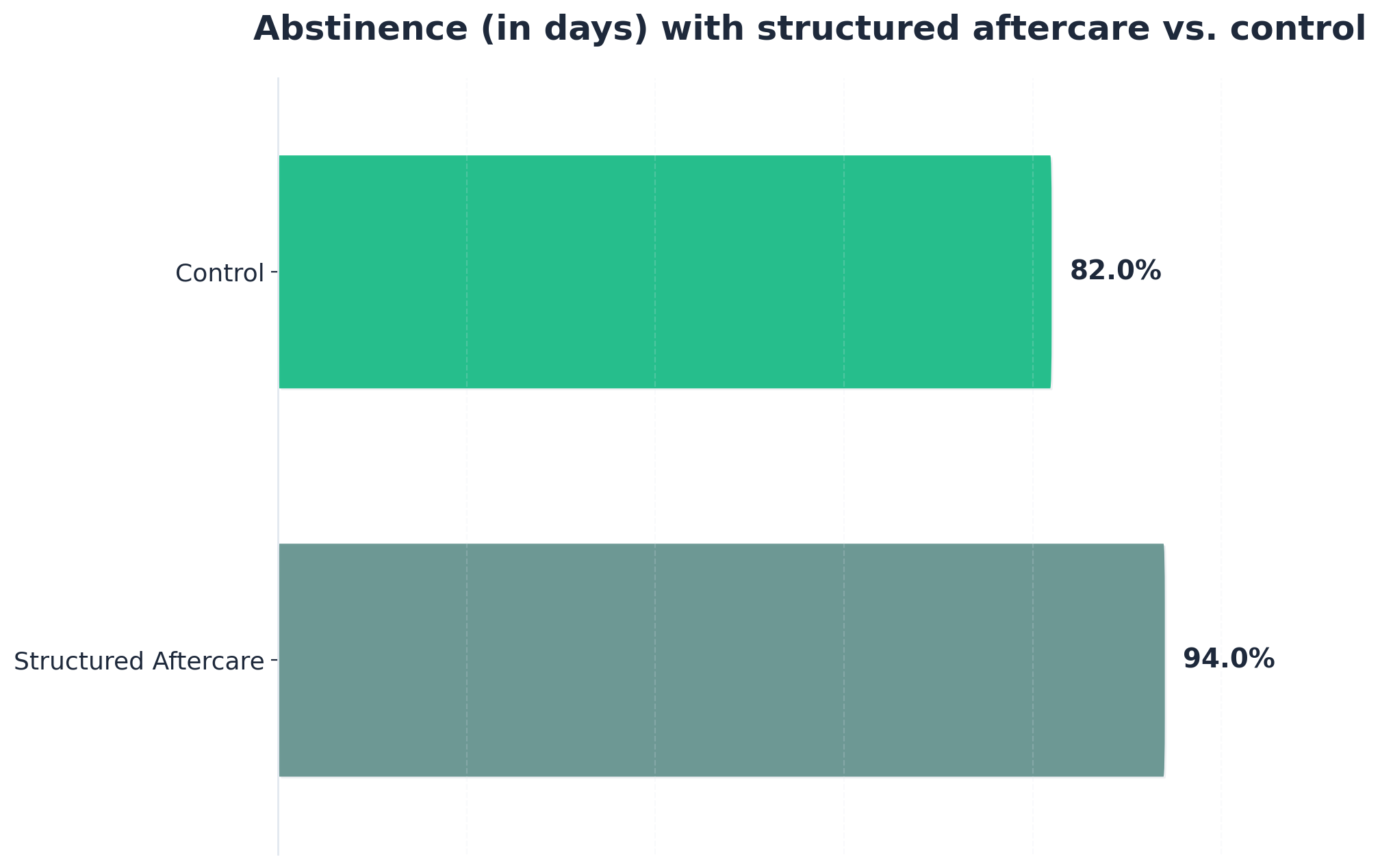
Outpatient treatment and residential (inpatient) programs both help people recover from addiction, but they work in different ways. Research shows that when outpatient care includes strong support and structure—like regular therapy and check-ins—people can achieve recovery outcomes similar to those in residential programs. For example, patients in structured outpatient programs averaged 94% drug-free days compared to 82% for those without ongoing support. Discreet outpatient treatment Maine provides these evidence-based therapies and ongoing care, so you can get well while living at home and keeping your life private. This approach is ideal for those who want effective treatment without stepping away from work or family.1,3
What happens if I experience cravings or feel like relapsing between sessions?
If you experience cravings or feel like you might relapse between sessions, you’re not alone—this is actually a normal part of recovery. Discreet outpatient treatment Maine offers support that goes beyond scheduled appointments. Many providers give you access to phone check-ins, telehealth visits, and even text-based support so you can reach out when you need help the most. Regular continuing care, like these “just-in-time” check-ins, has been shown to increase abstinence rates by up to 50% compared to no ongoing support. These services are patient-centered and confidential, helping you stay on track and feel safe reaching out for help.3,4
Will my insurance cover discreet outpatient addiction treatment?
Yes, many insurance plans do cover discreet outpatient addiction treatment, but the details can vary depending on your provider and policy. Most major insurance companies are required to cover substance use disorder treatment as an essential health benefit, which often includes outpatient care. This coverage helps make privacy-focused treatment options more accessible to those who need them. Service providers specializing in discreet outpatient treatment Maine can assist you by checking your benefits, explaining what services are covered, and guiding you through the approval process. If you have questions about coverage, reaching out to your provider's admissions team can give you clear, personal answers based on your insurance plan.4
Can I receive treatment for both addiction and mental health issues at the same time?
Yes, you can receive treatment for both addiction and mental health issues at the same time—a combination known as dual diagnosis care. Discreet outpatient treatment Maine often includes services for both conditions together, since many people who struggle with addiction also face challenges like anxiety or depression. However, only about 18% of addiction programs and 9% of mental health programs are fully equipped to treat both at once, so it’s important to choose a provider with proven dual diagnosis capability. The best programs offer counseling, medication management, and ongoing support for both needs while protecting your privacy. Their team works with you to create a plan that addresses the whole person, not just one problem.10
How long does a typical outpatient program last?
The length of a typical outpatient program can vary quite a bit, but most last from about 8 to 16 weeks. Some individuals may need a shorter program, while others benefit from ongoing care for several months or even longer, depending on their needs and progress. Research shows that continuing care—like regular check-ins and ongoing therapy—can increase abstinence rates by up to 50% compared to stopping treatment early. Discreet outpatient treatment Maine offers flexible, private support so your care plan can be adjusted as you grow stronger in recovery. Providers work with you to find the right pace, ensuring you have help for as long as you need.3
What if I've tried treatment before and it didn't work?
If treatment didn’t work for you in the past, it doesn’t mean recovery is out of reach. Many people need several tries before they find the right combination of support, therapy, and ongoing care. Discreet outpatient treatment Maine offers a fresh start with flexible, evidence-based therapies and continuing care that adapts to your needs. Research shows that having regular follow-ups and support can increase abstinence rates by up to 50% compared to stopping treatment early. Providers understand setbacks happen—they’re ready to help you build a new plan, keep your information private, and support you every step of the way.3
Conclusion
With these proven outcomes demonstrating the clear advantages of privacy-focused care, the path forward becomes more evident. Finding the right treatment environment can make all the difference in recovery. Privacy-focused programs offer more than discretion—they create safe spaces where healing happens without judgment or outside pressure. When individuals feel protected and respected, they're more likely to engage fully in their treatment and build the foundation for lasting change.
The evidence speaks clearly: personalized care, reduced distractions, and confidential settings lead to better outcomes—including the significantly higher completion rates and sustained sobriety that privacy-centered programs consistently achieve. Whether someone is taking their first step toward recovery or seeking a fresh start after previous attempts, these treatment environments provide the supportive framework needed for success.
Recovery is deeply personal, and treatment should honor that. Making the decision to seek help takes tremendous courage, especially when concerns about privacy and reputation feel overwhelming. Professional support can help identify the right program that balances privacy needs with clinical excellence. To explore confidential treatment options tailored to individual circumstances, reach out to a specialized admissions counselor at (207) 835-3449 for a private, no-obligation consultation. From initial assessment through aftercare planning, compassionate guidance makes the journey less overwhelming and more hopeful.
The courage to reach out deserves to be met with unwavering confidentiality and proven clinical excellence. In the right environment—where privacy is protected and evidence-based care is delivered with compassion—that courage transforms into meaningful, lasting recovery that honors both the person and their journey.
References
- Chapter 7. Clinical Issues, Challenges, and Strategies in Intensive Outpatient Treatment. https://www.ncbi.nlm.nih.gov/books/NBK64101/
- Addiction Relapse Prevention - StatPearls. https://www.ncbi.nlm.nih.gov/books/NBK551500/
- Continuing Care Research: What We've Learned and Where We're Going. https://pmc.ncbi.nlm.nih.gov/articles/PMC2670779/
- Impact of Continuing Care on Recovery From Substance Use Disorder. https://pmc.ncbi.nlm.nih.gov/articles/PMC7813220/
- Workplace Supported Recovery from Substance Use Disorders. https://pmc.ncbi.nlm.nih.gov/articles/PMC10193449/
- Creating a Recovery-Supportive Workplace. https://behereinitiative.org/workplace/recovery-supportive-workplace/
- Cognitive-Behavioral Therapy for Substance Use Disorders. https://pmc.ncbi.nlm.nih.gov/articles/PMC2897895/
- Stigma as a Barrier to Substance Abuse Treatment Among Those with Unmet Need. https://pmc.ncbi.nlm.nih.gov/articles/PMC5754000/
- Stigma: Beyond the Numbers - CDC. https://www.cdc.gov/stop-overdose/stigma-reduction/stigma-beyond-the-numbers.html
- Dual Diagnosis Capability in Mental Health and Addiction Treatment. https://pmc.ncbi.nlm.nih.gov/articles/PMC3594447/