
Recovery Programs for Professionals: Navigating Stressors

Understanding Professional Burnout & Substance Use
How Workplace Stress Becomes Addiction Risk
Workplace stress isn’t just about tight deadlines or demanding workloads; for many, it involves a culture of constant availability and emotional exhaustion. If you are seeking a recovery program for professionals Maine, understanding the link between your career pressures and substance use is the vital first step. Imagine stress as water dripping on a stone:
"At first, the stress is just a nuisance. Over time, persistent stress wears down resilience—the stone—and leaves professionals searching for quick relief, often through unhealthy coping methods."
Studies show that burnout, defined as a syndrome from unmanaged, chronic workplace stress, is not only common but can increase vulnerability to substance use as individuals seek relief or escape.1
What you’ll learn in this section:
- How everyday workplace stress can gradually turn into a risk for addiction.
- How to spot the process early before it impacts your career.
- The specific value of specialized help for executives and professionals.
Skill Checkpoint: Self-Assessment
Create a simple chart listing your three biggest work stressors. Next to each, note any habits you use to cope—both healthy (e.g., exercise) and unhealthy (e.g., extra drinks after work). You are ready for the next level when you can identify one specific way stress at your job is driving unhealthy coping mechanisms.
Business Application: Leaders can promote well-being by making mental health resources visible and accessible. Personal Use: If you feel stress is becoming unmanageable, knowing local services can help you find healthier ways to cope.
Warning Signs Professionals Often Miss
When work stress is constant, it’s easy to dismiss certain changes as just part of a busy career. However, subtle shifts in behavior often signal deeper issues. Warning signs may show up as:
- Increased Irritability: Snapping at colleagues or family members over minor issues.
- Physical Fatigue: Frequent tiredness, insomnia, or relying on sedatives to sleep.
- Performance Dips: More frequent absences, missed deadlines, or a lack of focus.
- Emotional Withdrawal: Losing enthusiasm for projects, becoming cynical, or feeling numb.
Sometimes, professionals begin relying on alcohol or prescription medication to help them relax, believing it’s just a temporary fix. Research shows that emotional exhaustion and depersonalization are two of the core components of burnout, which can drive people to unhealthy coping strategies if not addressed.3
Practice This: The Warning Sign Checklist (Click to Expand)
Create a checklist of behaviors or feelings you’ve noticed in yourself or coworkers over the past month. Ask yourself:
- Have I needed a substance to "wind down" more than 3 times this week?
- Have I felt cynical or detached from my work outcomes?
- Have I missed a professional obligation due to not feeling well mentally?
Goal: Spot at least three warning signs and understand why they matter.
Personal Use: Trust your instincts—if you notice these signs, consider reaching out for support. Early action can make recovery smoother and less disruptive.
Essential Components of a Recovery Program for Professionals Maine
Flexible Scheduling for Working Individuals
Balancing a demanding career with treatment can seem impossible, but imagine recovery as a set of building blocks. If your work schedule is the foundation, a rigid treatment plan can topple the whole structure. That’s why a recovery program for professionals Maine often includes options tailored to the working week.
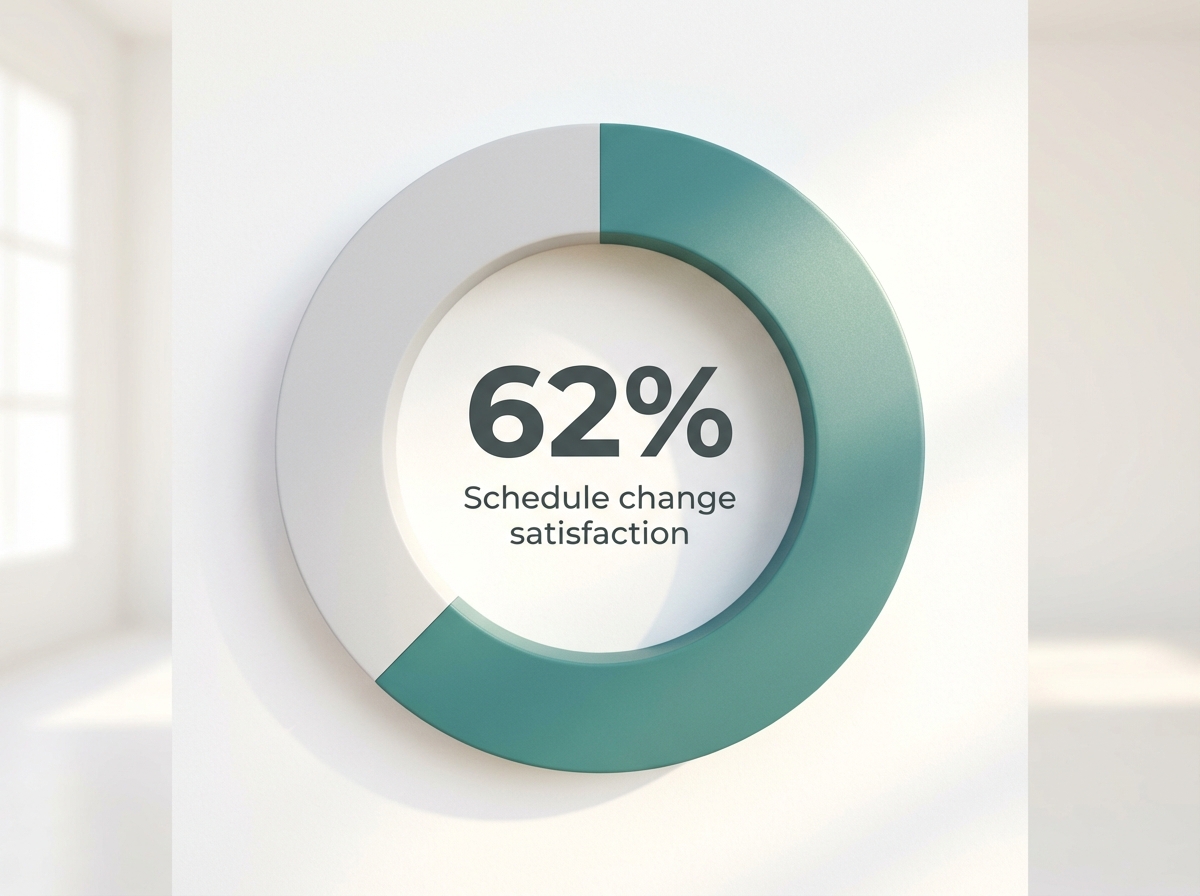
Research highlights the value of this approach: employees who are able to adjust their schedules report a 62% increase in job satisfaction and much lower stress levels. Flexible recovery programs not only improve attendance but also promote a sense of control—an essential ingredient for lasting change.10
Practice This: Review your weekly commitments and identify windows where treatment could realistically fit without disrupting key job tasks. Create a mock weekly plan that includes both work and self-care activities.
Dual Diagnosis Treatment for Complex Needs
Many professionals facing addiction also struggle with anxiety, depression, or other mental health concerns. Imagine trying to solve a puzzle with missing pieces—addressing only substance use or only mental health leaves gaps that make lasting recovery difficult. Dual diagnosis treatment recognizes that these conditions often interact, and both need attention for real progress.
A quality recovery program brings together counselors, physicians, and therapists to create an individualized plan. Research supports this approach: comprehensive programs that combine mental health and substance use treatment result in higher long-term recovery rates and improved job retention.2
Skill Checkpoint: You’re ready for the next level when you can identify at least one way your mental health and substance use may be connected—and why treating both is important. Business Application: HR leaders can encourage staff to seek out recovery programs that screen for and address both mental health and substance use.
Evidence-Based Therapies That Support Career Continuity
Medication-Assisted Treatment for Professionals
Medication-Assisted Treatment (MAT) combines FDA-approved medications with counseling and behavioral therapies to treat substance use disorders. Imagine MAT as a stabilizing anchor—it helps normalize brain chemistry and reduces cravings, making it easier to focus on your job and participate fully in daily life.
Programs that offer MAT as part of a recovery program for professionals Maine tailor medication management to fit busy schedules. This is not about replacing one substance with another; it is about providing a safe, medically supervised path that supports long-term recovery. Research shows real impact: in Vermont, expanded access to MAT led to a 50% drop in opioid-related overdose deaths in one county.4
Practice This: Research two medications commonly used in MAT (such as buprenorphine or naltrexone). Write down how each one works, and consider which questions you’d want to ask a provider about side effects or compatibility with your work routine.
CBT, DBT, and Vocational Integration
Cognitive Behavioral Therapy (CBT) teaches practical strategies for managing negative thoughts and breaking unhealthy patterns—imagine it as a mental toolkit for handling workplace pressure. Dialectical Behavior Therapy (DBT) adds skills like emotional regulation and distress tolerance, which are especially useful when work gets overwhelming.
When these therapies are paired with vocational integration, the focus shifts to not just staying sober, but also rebuilding confidence and effectiveness on the job. Research shows that when vocational counseling is added to treatment, 70% of participants secure full-time employment, and 19% find part-time work.5
Business Application: Employers benefit from staff who receive therapies that boost resilience and job performance. Personal Use: Seek programs offering both evidence-based therapy and vocational support for a holistic path forward.
Building Sustainable Recovery in a Recovery Program for Professionals Maine
Workplace Reintegration Strategies
Returning to your professional role after treatment can feel like stepping onto a moving train. The keys to successful reintegration are gradual transitions, clear communication, and ongoing support. Many professionals benefit from phased return-to-work plans, which may start with part-time hours or modified duties before resuming full responsibilities.
Research shows that phased reintegration leads to higher job retention and faster recovery, with 79% of workers in one study successfully returning to work using this approach. A recovery program for professionals Maine offers tailored reintegration services such as vocational counseling, workplace advocacy, and structured check-ins.1
Draft Your Reintegration Plan (Click to view steps)
- Assess Readiness: List the tasks you feel ready for immediately versus those that need a waiting period.
- Identify Allies: Who can you rely on for encouragement at work and home?
- Set Boundaries: Define your hard stops for work hours to ensure you can attend therapy or support groups.
Skill checkpoint: You’re ready for the next step when you’ve created a concrete plan for your return and can identify resources for ongoing support.
Long-Term Relapse Prevention for Busy Lives
Keeping recovery strong while balancing a busy career can be like spinning multiple plates—one lapse in focus, and things can wobble. Long-term relapse prevention isn’t about willpower alone; it’s about creating routines and safety nets that fit around your professional life.
Research shows that ongoing, structured support—such as regular check-ins, booster therapy sessions, and contingency management strategies—greatly reduces the risk of relapse, especially for people in high-stress roles. For example, contingency management, which rewards positive behaviors, has proven to be twice as effective as therapy alone for maintaining abstinence from stimulants.2,9
Practice This: List three early warning signs that signal stress or cravings are building. Next to each, write a practical step you’ll take—like contacting a sponsor, scheduling a therapy booster, or using a stress-reduction app.
Conclusion
Navigating recovery while maintaining a career doesn't have to be overwhelming. By implementing strategies like flexible scheduling, engaging in dual diagnosis treatment, and establishing clear reintegration plans, you can transform a crisis into a sustainable path forward. Whether you choose a specialized recovery program for professionals Maine or another evidence-based option, the key is finding a solution that respects your professional obligations while prioritizing your health.
Remember, seeking help isn't a sign of weakness—it's a strategic move to protect your future, build trust with your team, and ensure longevity in your field. Research shows that professionals who engage in comprehensive treatment programs significantly reduce burnout and improve overall job performance over time.
Ready to take the next step? Start by auditing your current stress levels: How is work impacting your health right now? Next, identify your top priority—whether that's confidentiality, schedule flexibility, or integrated mental health support. Finally, reach out to a provider to discuss your specific needs. Taking these concrete steps will help you build a recovery foundation that works for your life today and supports your career growth tomorrow.
Recovery Starts With a Conversation
Whether you’re exploring recovery for yourself or seeking guidance for someone you care about, Coastal Recovery Partners is here to help. Our team offers trauma-informed, evidence-based support grounded in structure, compassion, and real connection—without pressure or judgment.
When you’re ready, we’ll meet you where you are and help you take the next step forward.
Frequently Asked Questions
How can I keep my treatment confidential from my employer?
Protecting your privacy is a top priority in any recovery program for professionals Maine. By law, treatment providers must keep your health information confidential, including your participation in substance use or mental health services. Unless you give written permission, your employer cannot access your treatment records. Many programs also offer discreet scheduling and telehealth sessions, so you can receive support without drawing attention at work. If you’re concerned, ask your provider about their confidentiality policies and how they safeguard your information. This commitment to privacy helps professionals feel safe seeking the help they need.2
What if I've tried treatment before and it didn't work?
It’s common to feel discouraged if past treatment didn’t bring the results you hoped for. Recovery is a process, and sometimes it takes several approaches before you find the right fit. A recovery program for professionals Maine recognizes that each journey is unique, offering flexible, evidence-based therapies, dual diagnosis support, and ongoing follow-up—services shown to improve long-term success compared to single-approach or short-term programs. If previous treatment didn’t last, you may benefit from programs that tailor strategies to your current needs and career pressures. Don’t hesitate to discuss your history; providers can adapt their offerings to support your next steps toward lasting recovery.2
Can I receive treatment if I have both anxiety and substance use issues?
Yes, you can absolutely receive treatment if you have both anxiety and substance use issues. Many professionals experience these challenges together, which is why a recovery program for professionals Maine often provides specialized dual diagnosis treatment. These programs are designed to address both mental health and substance use at the same time, helping you manage anxiety while working toward recovery from addiction. Research shows that integrated treatment—where mental health and substance use are treated together—leads to better recovery outcomes and improved work performance for professionals. If you’re seeking support, look for services that offer coordinated care from counselors, therapists, and medical providers who understand professional stress.2
How do I transition from intensive treatment back to full-time work?
Transitioning from intensive treatment to full-time work is a gradual process, not a single leap. A recovery program for professionals Maine can help by offering phased return-to-work plans, which may start with part-time hours or adjusted duties before moving back to your regular schedule. Vocational counseling and workplace advocacy services provide practical guidance on communicating with your employer and managing job-related stressors. Research shows that phased reintegration leads to higher job retention and supports sustainable recovery, with 79% of workers successfully returning to work using this approach. Ongoing check-ins and support groups can also keep you on track as you settle back into your professional role.1
Will my insurance cover outpatient treatment for professionals?
Many insurance plans do cover outpatient treatment for professionals, but your exact benefits depend on your policy and provider network. A recovery program for professionals Maine often works directly with major insurers and can help you verify your coverage before starting services. Coverage typically includes evidence-based therapies, counseling, and sometimes Medication-Assisted Treatment when medically necessary. Research highlights that investing in comprehensive mental health and addiction treatment leads to better outcomes and cost savings for both individuals and employers. If you’re unsure about your benefits, ask your program’s admissions team for a confidential insurance check—they’re happy to guide you through the process.1
What role does family play in professional recovery programs?
Family plays a crucial role in the success of a recovery program for professionals Maine. Many programs welcome family involvement through educational sessions, counseling, or support groups, helping loved ones understand the recovery process and learn strategies to provide encouragement. Studies show that when families are engaged, individuals experience improved motivation and stronger long-term outcomes. Family participation also helps rebuild trust, improve communication, and create a more stable home environment—all of which support ongoing recovery. If your family wishes to be involved, let your provider know, as many services are designed to include loved ones as key allies in your journey.2
How long does professional recovery treatment typically last?
The length of professional recovery treatment varies based on individual needs and the level of support required. Most recovery programs for professionals Maine offer outpatient services that can range from a few weeks to several months. Ongoing support, such as booster therapy sessions or group meetings, is often recommended to help maintain progress and prevent relapse. Research shows that comprehensive workplace mental health programs with long-term follow-up lead to better recovery and job retention compared to brief or one-time interventions. Your provider will work with you to develop a personalized plan that fits your schedule and supports sustained recovery.1
References
- Return to Work After Work-Related Injuries: A Systematic Review. https://www.ncbi.nlm.nih.gov/pmc/articles/PMC11003710/
- Effectiveness of Workplace Mental Health Programs in Reducing Occupational Burnout. https://www.ncbi.nlm.nih.gov/pmc/articles/PMC10828069/
- Burnout in Mental Health Services: A Review of the Problem. https://www.ncbi.nlm.nih.gov/pmc/articles/PMC42894 burnout/
- Medication Assisted Treatment (MAT) Explained. https://www.safeproject.us/mat-medication-assisted-treatment-explained/
- The Effect of Vocational Counseling Interventions for Adults with Substance Use Disorders. https://www.ncbi.nlm.nih.gov/pmc/articles/PMC4553591/
- Risk Factors for Stress and Burnout | Healthcare Workers. https://www.cdc.gov/niosh/topics/healthcare/risk.html
- Workplace Stress - All Workers. https://www.osha.gov/workplace-stress/all-workers
- Integrating Vocational Services Into Substance Use Disorder Treatment. https://store.samhsa.gov/product/integrating-vocational-services-substance-use-disorder-treatment/PEP20-02-01-003
- Contingency Management: An Effective Treatment for Addiction. https://www.chesshealth.com/blog/contingency-management-an-effective-treatment-for-addiction
- Work Flexibility and Work-Related Well-Being. https://www.ncbi.nlm.nih.gov/pmc/articles/PMC7767393/