
Finding Flexible Addiction Treatment in Maine

Understanding Flexible Addiction Treatment Maine Landscape
The Growing Need for Accessible Care
Maine is facing a growing public health challenge when it comes to substance use disorder (SUD). Recent data indicates that approximately 20% of Mainers ages 12 and older have experienced SUD in the past year, representing roughly 249,000 people. To address this, flexible addiction treatment Maine services have become essential for closing the gap in care.3
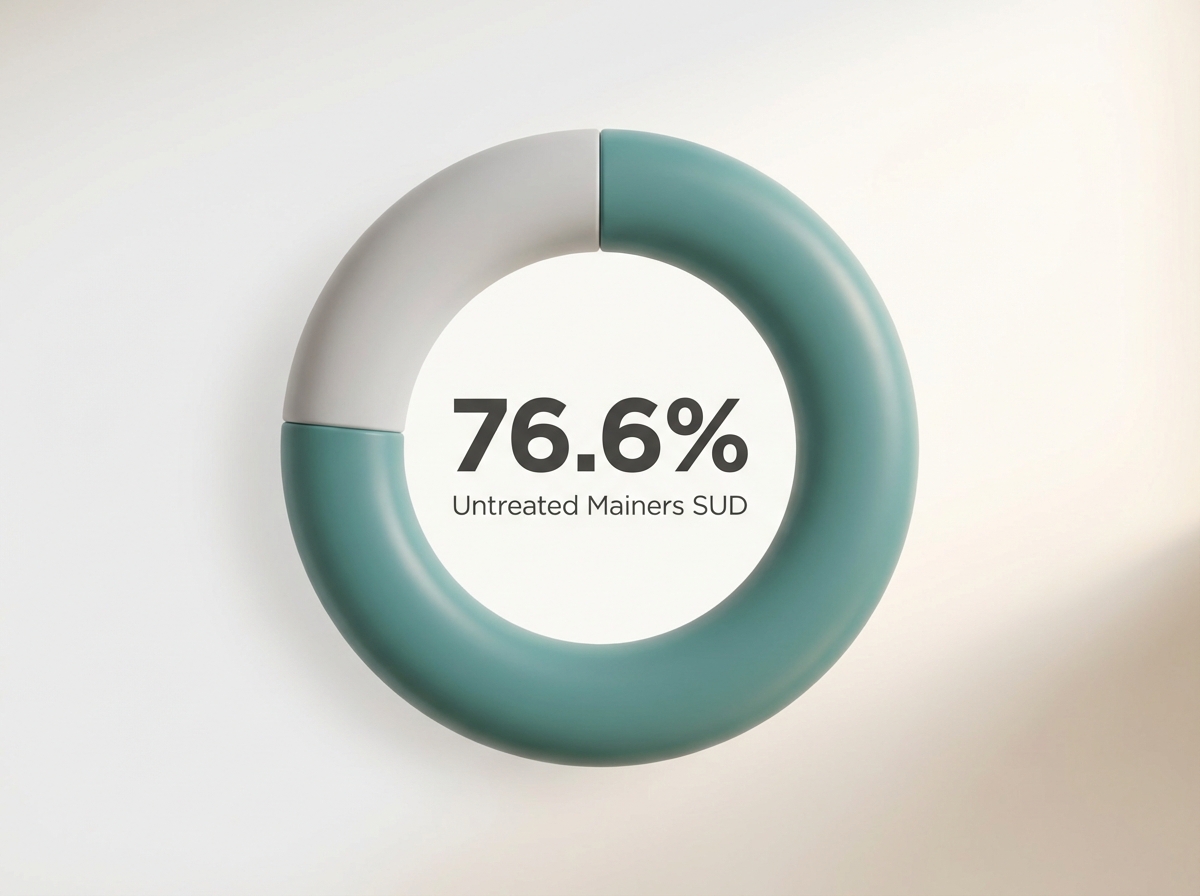
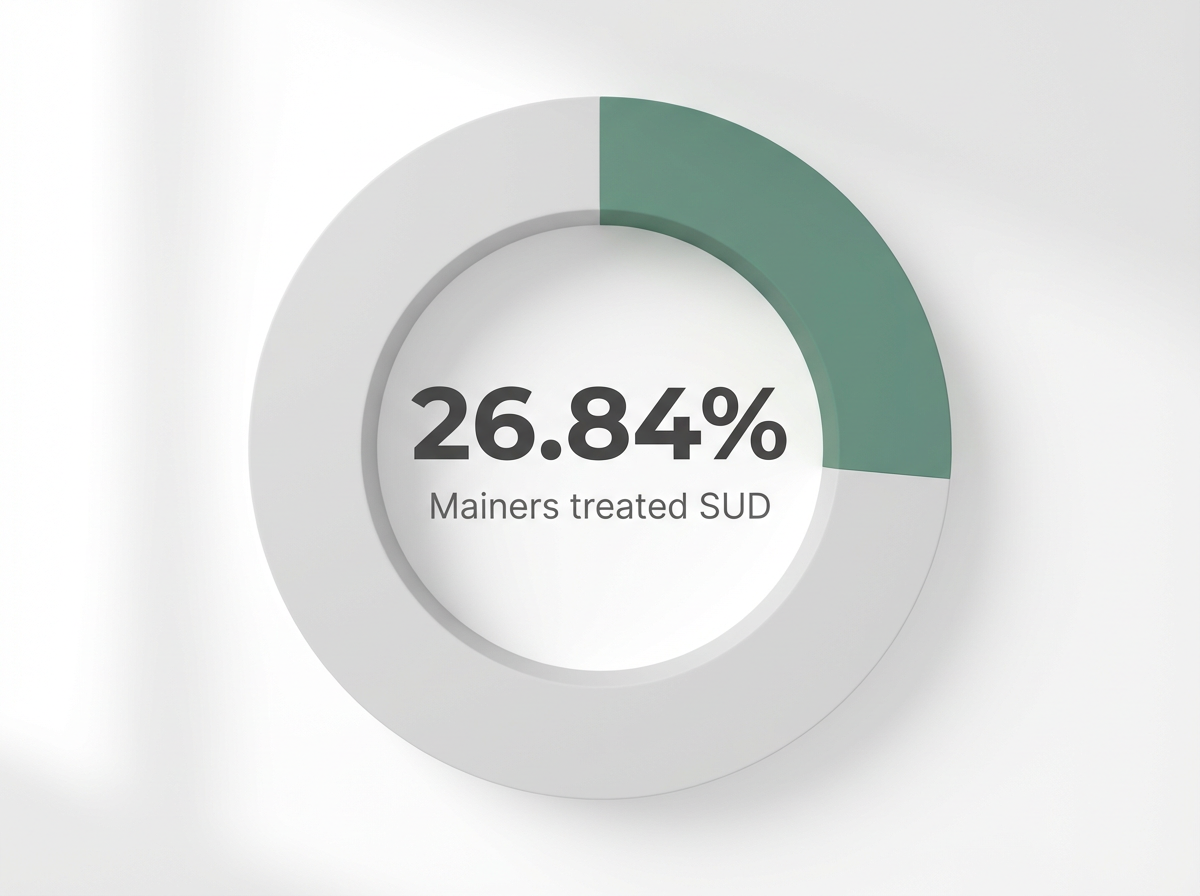
Despite high numbers, most who need help are not getting it—over 76% of Mainers classified as needing treatment didn’t receive any in the past year. 3
Barriers like transportation, work schedules, childcare, and concerns about stigma often prevent individuals from seeking help. Flexible approaches, such as outpatient programs, are valuable because they fit around daily responsibilities. This adaptability makes it easier for you to start—and stick with—treatment. Options include:
- Evening therapy sessions for working professionals.
- Telehealth appointments from the comfort of home.
- Support systems designed for those juggling jobs or family duties.
Providers in Maine have expanded options like medication-assisted treatment (MAT) and trauma-informed care to reach more people. By offering care that meets you where you are, treatment centers play a vital role in helping Mainers reclaim their health.2,10
Why Outpatient Models Work for Busy Lives
Outpatient treatment models have become a lifeline for Mainers who need help with substance use but cannot step away from work, school, or family. Unlike residential programs, outpatient care allows you to stay at home and maintain daily responsibilities while receiving professional support. This approach is especially helpful for busy adults and parents who might otherwise delay getting help due to scheduling conflicts.
These services give you more choices in how and when you participate in care. For example, many centers now offer evening and weekend therapy sessions, as well as telehealth appointments. This means you can attend a group or individual counseling session after work or even from the privacy of your home. Consequently, more Mainers are able to start and continue treatment, which is critical for lasting recovery.
Evidence shows that making treatment fit into your life—rather than the other way around—greatly improves the chances of following through and getting better. Providers in Maine are expanding services to include:8
- Medication-Assisted Treatment (MAT): Using FDA-approved medications to manage cravings.
- Trauma-Informed Therapy: Addressing underlying emotional pain safely.
- Family Support: Involving loved ones in the healing process.
Levels of Outpatient Care Explained
Intensive Outpatient Programs (IOP)
Intensive Outpatient Programs (IOP) offer a middle ground between inpatient rehab and standard outpatient care. For those seeking flexible addiction treatment Maine, IOPs provide a structured yet adaptable way to receive help while managing work, school, or family. These programs usually involve several therapy sessions each week—often a mix of group and individual counseling—while allowing you to return home at the end of the day.
What makes IOPs unique is their focus on accountability and ongoing support. Participants work closely with counselors and peers, building healthy routines and learning skills to manage cravings and triggers. Research shows that people who attend IOPs and stick with them are more likely to see lasting recovery, especially when treatment is matched to their needs and life circumstances.8
Many treatment centers in Maine now offer additional services within IOPs, such as medication-assisted treatment (MAT), mental health support, and trauma-informed care. These extra layers help you address the root causes of substance use, not just the symptoms.
Partial Hospitalization and Standard OP
Partial Hospitalization Programs (PHP) and Standard Outpatient Programs (OP) are two additional options to consider. PHP is the most structured outpatient level, often meeting five days a week for several hours each day. It is designed for people who need more support than a typical outpatient plan but do not require overnight stays.
Both PHP and OP allow Mainers to continue working, caring for family, or going to school while getting the help they need. Treatment centers in Maine support recovery at each of these levels, offering services like MAT, trauma-informed counseling, and telehealth appointments. Research shows that matching program intensity to each person’s needs improves recovery outcomes.8
Key Features of Flexible Addiction Treatment Maine
Scheduling Options That Fit Your Life
Flexible addiction treatment Maine is designed with your busy schedule in mind. Many treatment centers now offer a range of appointment times, including mornings, evenings, and weekends. This makes it possible to get help without missing work, school, or important family moments.
In addition, telehealth sessions let you connect with your care team from home, reducing the need for travel and making support accessible even in rural parts of Maine. Research has shown that telehealth can be especially helpful for people who face transportation barriers or need to fit appointments into a packed day.4
By offering these choices, providers make it easier for Mainers to start and stay in treatment. If you’re juggling work or family, these services adapt to your needs—not the other way around.

Integrated Dual Diagnosis and MAT Support
Many Mainers facing substance use also struggle with mental health concerns like anxiety or depression. Flexible services are designed to address both conditions at the same time—a care approach known as dual diagnosis support. This means you don’t have to choose between treating your mental health or your substance use; you get help for both, often with the same team of caring professionals.
Research shows that integrated treatment for co-occurring disorders leads to better recovery results and helps people stay engaged in care longer. Medication-assisted treatment (MAT) is another key feature offered by leading programs. MAT uses safe, doctor-prescribed medicines such as buprenorphine or methadone to reduce cravings and withdrawal symptoms.9
In Maine, the number of buprenorphine prescriptions increased by 43% in just three years, showing how much MAT access has expanded. Key integrated supports include:2
- Dual Diagnosis Care: Treatment for both mental health and substance use.
- Medication-Assisted Tx: Medications plus therapy for addiction.
- Medication Management: Regular check-ins for safe, effective treatment.
How to Choose the Right Program for You
Evaluating Evidence-Based Approaches
When searching for treatment, it’s important to know what "evidence-based" really means. Programs built on evidence-based approaches use methods that have been carefully tested and shown to help people recover. These methods include therapies like Cognitive-Behavioral Therapy (CBT), Motivational Interviewing, and MAT.
Research shows that matching treatment type and intensity to each person’s unique needs leads to better results and helps people stay in recovery longer. Look for these key approaches:9
Treatment centers in Maine offer a blend of these proven methods, ensuring everyone gets care that fits their needs. Their services might also include family counseling, relapse prevention planning, and ongoing support—making recovery more achievable.
Navigating Insurance and Financial Options
Finding the right help should be about recovery, not worrying about hidden costs or confusing insurance rules. Many Mainers use MaineCare (the state’s Medicaid program), private insurance, or self-pay to cover treatment. Fortunately, recent changes have made it easier to access care. For example, MaineCare no longer requires prior authorization for most medication-assisted treatments and intensive outpatient therapy, so starting treatment can happen faster and with less paperwork.5
Insurance plans often cover different levels of outpatient care, including individual and group counseling, medication support, and telehealth visits. Still, coverage can vary. It’s smart to call your insurance provider or the treatment center and ask what’s included. Many centers have dedicated staff who help people understand their benefits, apply for sliding-scale fees, or set up payment plans if needed.
Common payment options include:
- MaineCare/Medicaid: State insurance for eligible residents.
- Private Insurance: Coverage through employer or marketplace plans.
- Self-Pay: Paying out of pocket, sometimes with discounts.
- Sliding Scale: Fees adjusted based on income.
Recovery Starts With a Conversation
Whether you’re exploring recovery for yourself or seeking guidance for someone you care about, Coastal Recovery Partners is here to help. Our team offers trauma-informed, evidence-based support grounded in structure, compassion, and real connection—without pressure or judgment.
When you’re ready, we’ll meet you where you are and help you take the next step forward.
Take the Next Step Toward Recovery
Understanding Your Treatment Options
Recovery from addiction is a deeply personal journey, and research shows that professional treatment significantly improves outcomes. According to the National Institute on Drug Abuse, individuals who complete structured treatment programs are 50-70% more likely to maintain long-term sobriety compared to those who attempt recovery without professional support. Whether you're struggling with substance use, behavioral addictions, or co-occurring mental health challenges, reaching out for help is a powerful first step toward healing.
What Professional Treatment Includes
Professional treatment provides the structure, guidance, and evidence-based therapies needed to address the root causes of addiction. Typical programs range from 30 to 90 days and may include medical detoxification, residential care, intensive outpatient programs, and ongoing counseling. Evidence-based therapies commonly integrated into treatment plans include:
- Cognitive Behavioral Therapy (CBT): To identify and change harmful thought patterns.
- Dialectical Behavior Therapy (DBT): For emotional regulation.
- Individual & Group Counseling: For personal insight and peer support.
- Family Therapy: To heal relationships.
- Medication-Assisted Treatment: When clinically appropriate.
How Personalized Care Works
No one should face addiction alone. Compassionate treatment teams work alongside clients to develop personalized care plans that address physical, emotional, and psychological needs. These customized plans typically begin with a comprehensive assessment of substance use history, mental health conditions, medical needs, and personal circumstances. Treatment professionals then tailor the combination of therapies, counseling frequency, family involvement, and aftercare planning to each individual's specific situation. With the right combination of therapeutic support, peer connection, and practical life skills training—including relapse prevention strategies, stress management techniques, and healthy coping mechanisms—lasting recovery becomes possible.
Your Next Steps
If you or someone you care about is ready to explore treatment options, support is available 24/7. Taking that next step begins with a confidential phone assessment that typically takes 15-20 minutes. During this conversation, a trained admissions specialist will ask about current challenges, previous treatment history if any, insurance coverage and payment options, and scheduling availability. There's no pressure or obligation—just honest answers to help determine the most appropriate level of care. Making this call, scheduling a consultation, or simply learning more about available services can open the door to a healthier, more fulfilling future.
Remember that recovery is a journey of rebuilding trust—in yourself, in others, and in the process of healing. If you are ready to explore your options, reach out to Coastal Recovery today. We're here to help guide you toward a future defined not by your past, but by your resilience and hope.
Frequently Asked Questions
Can I work full-time while attending outpatient treatment in Maine?
Yes, you can work full-time while attending outpatient treatment in Maine. Flexible addiction treatment Maine programs are built to fit around work and family commitments. Many providers offer sessions during evenings or weekends, and telehealth appointments make it easier to attend therapy without needing to take time off from your job. This means you can receive counseling, medication support, and group sessions before or after work hours. Research shows that outpatient models designed to fit people’s schedules help more Mainers start and stay in recovery. Treatment centers are ready to work with you, making it possible to keep your job and focus on your health at the same time.8
What if I've tried treatment before and relapsed—will outpatient care still work for me?
Yes, outpatient care can still be effective if you've relapsed after previous treatment attempts. Flexible addiction treatment Maine centers understand that relapse is a common part of recovery and can actually help guide the next steps in your care. Outpatient programs are designed to adapt to your current needs, offering new strategies, more support, or a different type of therapy if needed. Research has shown that matching the intensity and style of treatment to each person's situation—such as increasing the number of sessions or adding medication support—can improve outcomes over time. Services like counseling, medication-assisted treatment, and trauma-informed care are available in these programs, providing a supportive space to restart your recovery journey.8
How does MaineCare coverage work for intensive outpatient programs?
MaineCare, which is Maine’s Medicaid program, covers intensive outpatient programs (IOP) for substance use treatment. Thanks to recent state changes, you usually don’t need to get prior authorization for most medication-assisted treatments or for IOP services for opioid use disorder. This helps people start flexible addiction treatment Maine more quickly, with less paperwork and fewer delays. MaineCare will typically pay for group and individual therapy, counseling, and medication support as part of IOP. Many treatment centers have teams ready to help you understand your MaineCare benefits and guide you through the process so you can focus on recovery.5
Will my employer or coworkers find out I'm in treatment?
Your treatment information is private and protected by federal laws, including HIPAA and 42 CFR Part 2. This means your employer or coworkers will not be notified if you are receiving flexible addiction treatment Maine services unless you choose to share that information. Treatment centers take confidentiality seriously and will only contact your workplace if you give written permission, such as for medical leave paperwork. Many people find it reassuring to know that their participation in outpatient or telehealth sessions stays confidential. If you have questions about privacy, the support team at your treatment center can explain how your information is kept secure.1
What happens if I need more support after completing an IOP program?
If you need more support after finishing an Intensive Outpatient Program (IOP), there are several next steps available in flexible addiction treatment Maine. Many people transition to standard outpatient care, which means fewer sessions but continued access to therapy and medication support. Some may choose to join ongoing counseling groups or peer recovery meetings to stay connected with others in recovery. Treatment centers often offer step-down programs, allowing you to adjust the level of care based on your progress and needs. This smooth transition between levels of care is a key part of the recovery process and helps people maintain long-term success. If you feel you need more structure, your care team can discuss options with you and update your recovery plan accordingly.8
Can family members participate in my outpatient treatment?
Yes, family members can often participate in your outpatient treatment. Many flexible addiction treatment Maine programs encourage family involvement through counseling sessions, education, or support groups. Including loved ones in care helps everyone understand the recovery process and builds a stronger support network at home. Research shows that family participation can improve treatment outcomes and help people stay engaged in recovery. Treatment centers may offer special sessions or resources for families, so it’s a good idea to ask what options are available. Their services are designed to be welcoming to families, making recovery a shared journey.9
How quickly can I start treatment once I reach out for help?
Most people can begin flexible addiction treatment Maine very quickly after reaching out. Many treatment centers offer same-week or even next-day appointments, especially for outpatient and telehealth services. Due to recent changes in MaineCare, there is no longer a need for prior authorization for most medication-assisted treatments and intensive outpatient therapy, which means there are fewer delays when starting care. Once you contact a provider, their team will guide you through the intake process and help set up your first session as soon as possible. Their goal is to make sure you get support without waiting, so you can start your recovery journey right away.5
References
- Best Practices and Barriers to Engaging People with Substance Use Disorders in Treatment. https://aspe.hhs.gov/reports/best-practices-barriers-engaging-people-substance-use-disorders-treatment-0
- Treatment - Maine Drug Data Hub. https://mainedrugdata.org/maine-drug-data-hub/maine-drug-data/treatment/
- MAINE - National Survey on Drug Use and Health (NSDUH), 2023. https://www.samhsa.gov/data/sites/default/files/reports/rpt56188/2023-nsduh-sae-state-tables_0/2023-nsduh-sae-state-tabs-maine.pdf
- Virtually possible: using telehealth to bring reproductive health care to women with opioid use disorder. https://pmc.ncbi.nlm.nih.gov/articles/PMC7793013/
- 3174-EEE. Prior authorization of treatment for opioid use disorder. https://legislature.maine.gov/statutes/22/title22sec3174-EEE.html
- Vital Statistics Rapid Release - Provisional Drug Overdose Data. https://www.cdc.gov/nchs/nvss/vsrr/drug-overdose-data.htm
- The Fentanyl Epidemic - Maine Drug Data Hub. https://mainedrugdata.org/the-fentanyl-epidemic/
- Chapter 3. Intensive Outpatient Treatment and the Continuum of Care. https://www.ncbi.nlm.nih.gov/books/NBK64088/
- Evidence-based practices for substance use disorders. https://pmc.ncbi.nlm.nih.gov/articles/PMC3678283/
- Trauma-Informed Care | Department of Health and Human Services. https://www.maine.gov/dhhs/obh/support-services/childrens-behavioral-health/services/trauma-informed-care