
Getting Started With MAT Treatment for Addiction

How MAT Treatment Combines Medical and Behavioral Care
FDA-Approved Medications and Their Mechanisms
FDA-approved medications form the medical backbone of MAT treatment for opioid and alcohol use disorders. Three core agents—methadone, buprenorphine, and naltrexone—are most commonly utilized, each with distinct mechanisms. Methadone, a full opioid agonist, works by activating opioid receptors to relieve withdrawal and reduce cravings but is dispensed in regulated settings to minimize misuse risk.
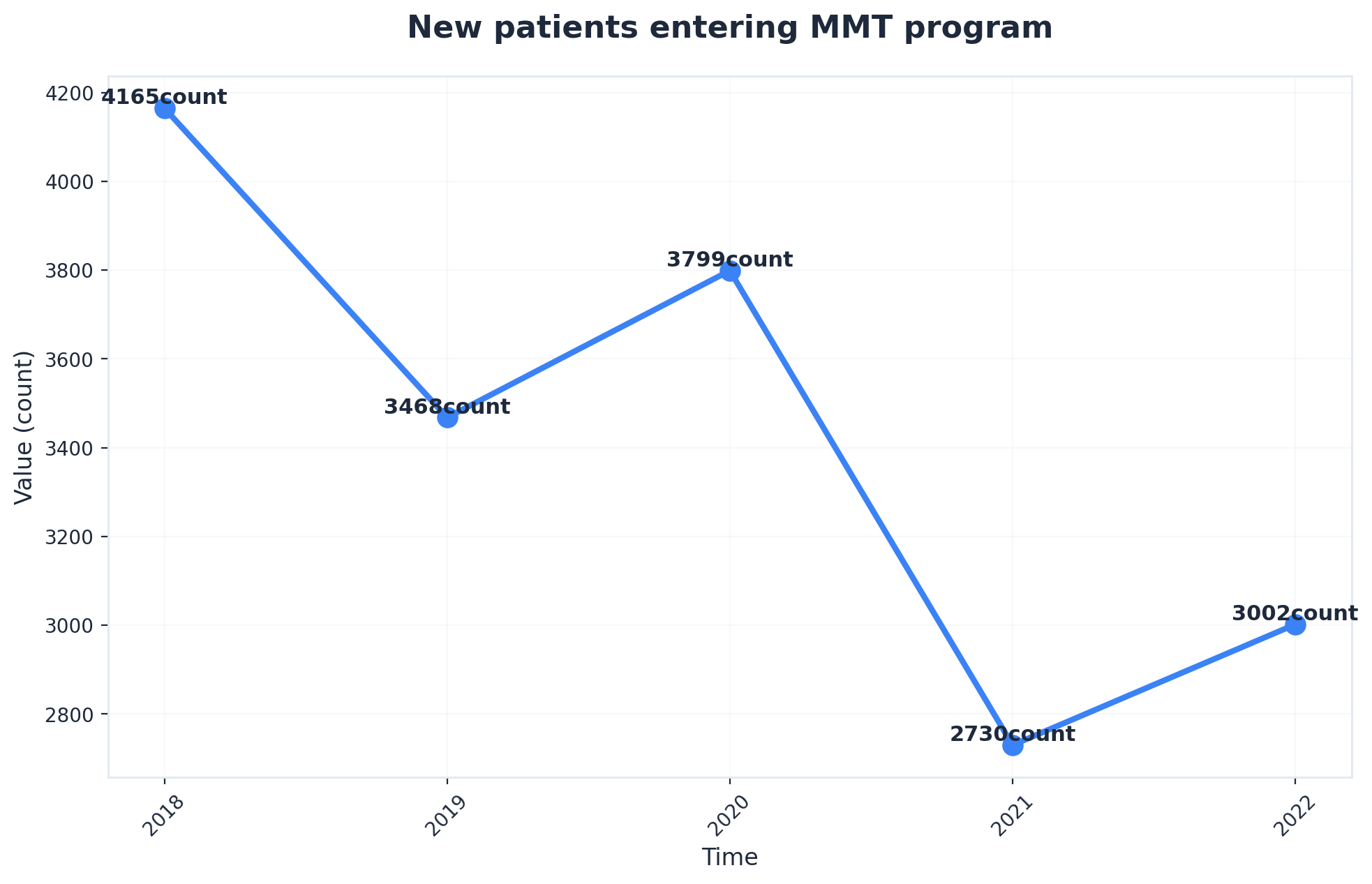
Buprenorphine is a partial agonist, meaning it activates receptors at a lower intensity, offering a ceiling effect that enhances safety while effectively reducing cravings and withdrawal symptoms. Naltrexone, an opioid antagonist, blocks opioid receptors entirely, preventing any euphoric effects if opioids are used, and is available in daily oral or monthly injectable forms. For alcohol use disorder, naltrexone and acamprosate (which modulates glutamate and GABA neurotransmission) are frequently prescribed as well.1
Effectiveness is well established: coordinated MAT programs combining these medications with behavioral therapies have demonstrated a 60–90% reduction in illicit opioid use and more than double the likelihood of treatment retention compared to non-medicated approaches.1,4
Understanding the pharmacological foundation of MAT sets the stage for integrating counseling and life skills interventions, which will be explored in the next section. Coastal Recovery Partners in South Portland, Maine, specializes in this exact integration, ensuring your medical and behavioral needs are met seamlessly through comprehensive care coordination.
Integration of Counseling and Skill-Building
Tool: Integrated Care Planning Checklist
- Clinical Therapy: Regular counseling sessions utilizing cognitive behavioral therapy (CBT), dialectical behavioral therapy (DBT), or motivational interviewing.
- Skill-Building Modules: Practical training in communication, emotional regulation, and relapse prevention.
- Medical Coordination: Ongoing communication with medical providers for precise medication monitoring.
Integration of counseling and skill-building is central to MAT treatment effectiveness. Counseling addresses underlying thought patterns, emotional triggers, and coping mechanisms. This checklist ensures that medical support and behavioral interventions work in tandem, maximizing both safety and engagement.
"True stabilization occurs when pharmacological support meets targeted behavioral intervention, creating a sustainable framework for long-term professional and personal success."
Skill-building goes beyond symptom management, equipping individuals with tools for stress reduction, healthy relationships, and vocational stability. Programs that blend these elements with medication show higher retention rates and improved outcomes, with research indicating that patients in coordinated MAT programs experience a 45–60% increase in treatment retention compared to medication alone. This approach works best when working professionals or individuals with dual diagnoses need flexible, evidence-based support that fits into daily routines.4
Prioritizing this integration is particularly valuable in outpatient settings, where balancing clinical intensity and real-world demands is a constant challenge. Next, a structured clinical assessment guides readiness for entry into MAT programs and helps tailor service intensity to each individual’s needs.
Assessing Readiness for MAT Treatment Programs
Clinical Assessment and Dual Diagnosis
Tool: Dual Diagnosis Clinical Assessment Flowchart
- Initial Screening: Utilize validated tools to identify substance use severity and psychiatric symptoms.
- In-Depth Interview: Clarify diagnoses, professional risk factors, and functional impairments.
- Treatment Mapping: Align identified needs with specific therapies (e.g., trauma-informed care, CBT) and medication protocols.
A structured clinical assessment is the cornerstone for determining readiness and suitability for MAT treatment, especially when co-occurring mental health conditions are suspected. The assessment process typically starts with validated screening tools for substance use and psychiatric symptoms, followed by an in-depth interview to clarify diagnoses, risk factors, and functional impairments. This flowchart approach streamlines decision-making, ensuring that both substance use disorder and any underlying psychiatric conditions are addressed from the outset.
Dual diagnosis refers to the simultaneous presence of a substance use disorder and at least one other mental health condition, such as depression, anxiety, or PTSD. Approximately 60% of individuals entering MAT programs present with a dual diagnosis, highlighting the need for integrated treatment planning.6 Comprehensive assessment guides the selection of appropriate medications, therapy modalities, and coordination strategies.
This strategy suits professionals who are tasked with managing complex presentations where untreated psychiatric symptoms could undermine medication adherence or increase relapse risk. Integration of psychiatric assessment within MAT programming improves abstinence rates by 30-40% compared to treating addiction or mental health conditions in isolation. Coastal Recovery Partners excels in dual diagnosis treatment, ensuring your mental health and recovery are addressed concurrently.7
Once assessment clarifies clinical needs, the next step is to match treatment intensity and program structure to each individual’s risk profile and recovery goals.
Matching Treatment Intensity to Need
Tool: Program Intensity Decision Matrix
A decision matrix helps clinicians weigh clinical risk, psychosocial factors, and functional status to determine the most appropriate MAT treatment intensity. Outpatient options span from standard outpatient (OP) with weekly sessions, to intensive outpatient programs (IOP) offering 9–20 hours per week, up to partial hospitalization programs (PHP) with 20+ hours of structured care. This matrix prompts consideration of factors such as substance use severity, co-occurring mental health symptoms, recent relapse, home stability, and work or caregiving responsibilities.
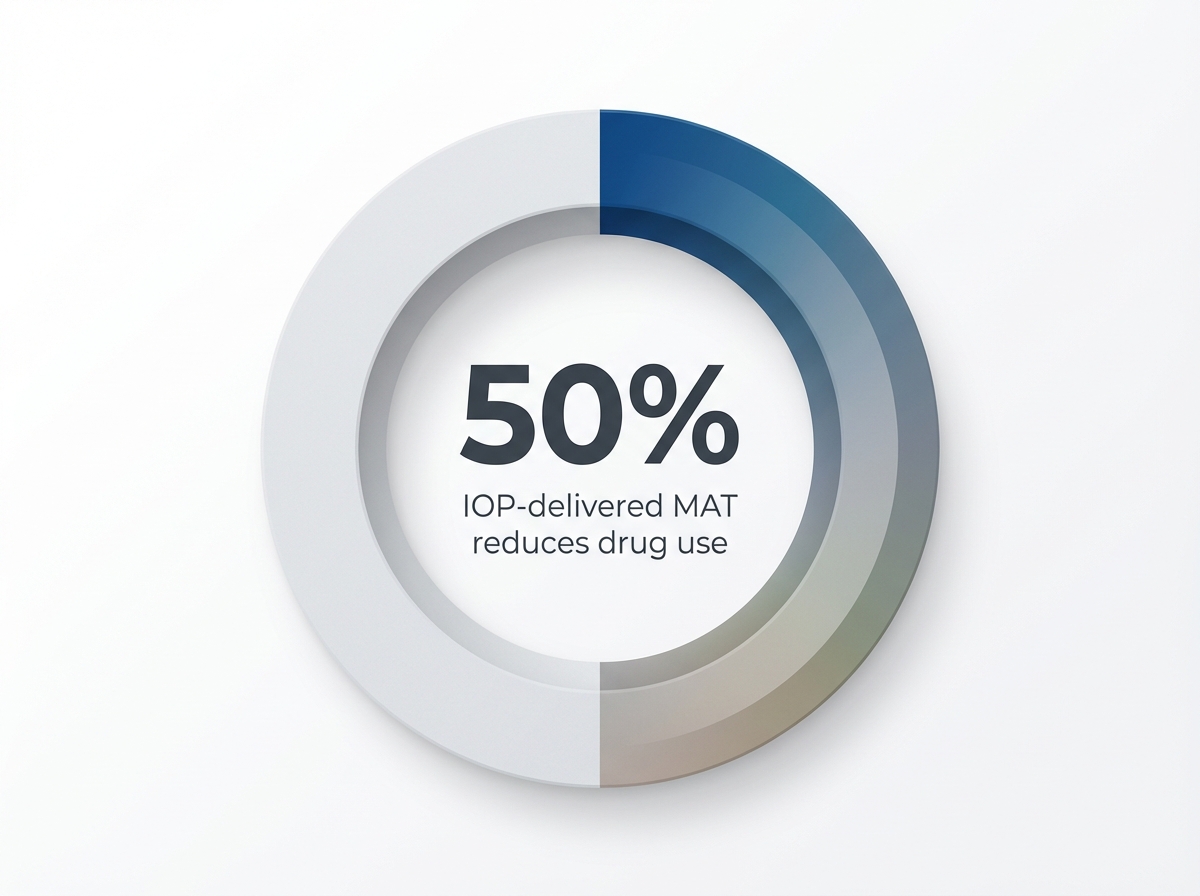
Consider this method if you serve a diverse population—from professionals requiring flexible support, to individuals with higher relapse risk or minimal social supports who benefit from increased structure. Research shows IOP-delivered MAT achieves a 50% reduction in drug use and 60–70% retention rates, while PHP-level care reduces readmissions to higher levels by 40%, underscoring the impact of matching intensity to need. Tailoring program level not only enhances safety and engagement, but can also optimize resource allocation and reduce unnecessary escalation.8,9
Matching MAT treatment intensity to clinical need is a key driver for sustained recovery and long-term stabilization. The next section will explore how to select the right outpatient MAT model based on these intensity levels and individual circumstances.
Recovery Starts With a Conversation
Whether you’re exploring recovery for yourself or seeking guidance for someone you care about, Coastal Recovery Partners is here to help. Our team offers trauma-informed, evidence-based support grounded in structure, compassion, and real connection—without pressure or judgment.
When you’re ready, we’ll meet you where you are and help you take the next step forward.
Selecting the Right Outpatient MAT Model
Intensive Outpatient vs Partial Hospitalization
Figure 1: Outpatient Level Selection Assessment comparing IOP and PHP.
Distinguishing between Intensive Outpatient Programs (IOP) and Partial Hospitalization Programs (PHP) is essential when aligning MAT treatment with clinical complexity and daily life demands. IOP typically involves 9–20 hours per week of structured group and individual therapy, coordinated with medication management. This format fits well for professionals or individuals with stable home environments who require significant support but need flexibility to maintain work or caregiving commitments.
In contrast, PHP delivers 20 or more hours weekly, typically spread over four to five days, and provides a higher degree of clinical oversight. PHP is appropriate for those experiencing recent relapse, unstable psychiatric symptoms, or lacking reliable social supports—circumstances where daily engagement and close monitoring are crucial.
Research demonstrates a 50% reduction in drug use with IOP-based MAT and 60–70% retention rates, making it effective for those seeking structure without total disruption of daily routines. PHP, on the other hand, has shown a 40% reduction in readmission to higher levels of care, highlighting its value as a stabilizing step for individuals at greater risk. Opt for this framework when acute needs or safety concerns arise; prioritize IOP if balancing recovery with professional or family responsibilities is key.8,9
The next section will address how trauma-informed and evidence-based protocols strengthen these outpatient models.
Trauma-Informed and Evidence-Based Protocols
Tool: Trauma-Informed Protocols Implementation Checklist
- Screen all clients for trauma histories during intake.
- Train staff on trauma-responsive approaches and emotional safety.
- Integrate evidence-based therapies (CBT, DBT, motivational interviewing).
- Align medication management with trauma-specific therapeutic goals.
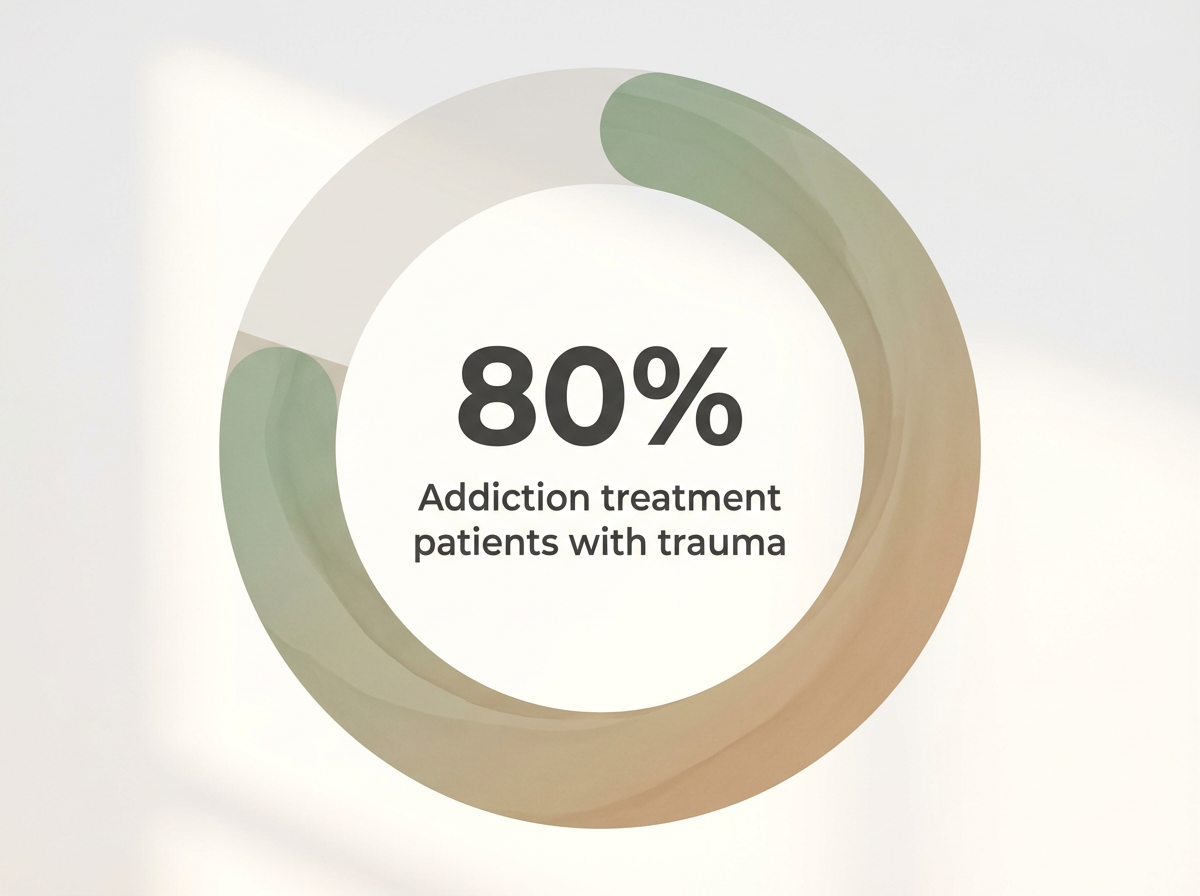
Establishing trauma-informed and evidence-based protocols is foundational to effective outpatient MAT treatment. Begin by screening all clients for trauma histories—approximately 80% of individuals in addiction treatment have experienced trauma, making this a critical first step. Staff should receive ongoing training on trauma-responsive approaches, including creating physically and emotionally safe environments, supporting choice, and fostering trust.10
Incorporate evidence-based therapies—such as cognitive behavioral therapy (CBT), dialectical behavior therapy (DBT), and motivational interviewing—known to improve outcomes when paired with MAT. Coastal Recovery Partners integrates explicit trauma-informed care into all their programs to ensure a safe healing environment.
Prioritize trauma-informed care when serving populations with high rates of adverse experiences or co-occurring PTSD, as these protocols have been shown to increase treatment retention by 45% and reduce symptom severity. This approach is ideal for organizations aiming to minimize dropout rates and support long-term stabilization for clients with complex psychosocial backgrounds.10
Integrating these protocols with ongoing medication management ensures a holistic response to both biological and psychological aspects of addiction. Collaborate closely with medical and therapeutic teams to ensure alignment of care plans and responsiveness to emerging trauma-related needs. Attention to trauma and evidence-based practices not only enhances safety and engagement but also contributes to improved retention and better overall recovery trajectories.
Implementation: First 90 Days of MAT
Medication Stabilization and Monitoring
Tool: Medication Stabilization and Monitoring Protocol
During the first 90 days of MAT treatment, swift stabilization and careful medication monitoring are central to successful outcomes. This protocol begins with a thorough induction process—adjusting dosages of methadone, buprenorphine, or naltrexone based on withdrawal symptoms, cravings, and side effect profiles. Clinicians often use the COWS (Clinical Opiate Withdrawal Scale) to measure readiness for induction.
Stabilization often requires weekly to biweekly visits in outpatient settings, with regular toxicology screenings and ongoing dose adjustments to ensure both efficacy and safety. Close coordination among medical, psychiatric, and counseling teams is essential.
Consider this route if you are managing complex cases with histories of relapse, dual diagnosis, or fluctuating engagement. Evidence shows that coordinated monitoring in MAT programs more than doubles treatment retention and reduces illicit opioid use by up to 90% compared to non-medicated approaches. Throughout the stabilization phase, feedback from both the client and the multidisciplinary team guides ongoing adjustments. Regular monitoring not only supports medical safety but also builds a foundation for therapeutic progress and long-term recovery.1,4
Next, the focus turns to building therapeutic alliance and practical skills to sustain engagement beyond the initial stabilization period.
Building Therapeutic Alliance and Skills
Tool: Therapeutic Alliance and Skills Development Checklist
- Establish clear communication and set shared recovery goals.
- Introduce practical coping skills (e.g., grounding skills, mindfulness therapy).
- Assign home practice and review Action Plan progress weekly.
During the first 90 days of MAT treatment, developing a strong therapeutic alliance is as crucial as medication management. A therapeutic alliance refers to the collaborative, trust-based relationship between client and provider, which research consistently links to higher retention and better outcomes in substance use treatment. Start by building rapport—establish clear communication, set shared goals, and validate the individual’s unique experiences.4
Early sessions should introduce evidence-based therapies such as cognitive behavioral therapy (CBT), dialectical behavior therapy (DBT), and motivational interviewing, focusing on practical topics like emotional regulation, stress coping, and relapse prevention.
Skill-building modules are most effective when tailored to the client’s daily challenges. This solution fits professionals who must balance recovery and workplace demands, or individuals managing family responsibilities. Encourage active participation: assign home practice, invite feedback, and use real-life scenarios to reinforce progress. Programs that integrate both therapeutic alliance and targeted skill-building report a 45–60% increase in treatment retention compared to medication alone, underscoring the impact of this dual focus.4
As these foundations are established, attention shifts to frequently asked questions about MAT program options, insurance, and practical considerations.
Conclusion
Medication-assisted treatment represents a comprehensive approach that extends far beyond pharmaceutical intervention. When integrated with evidence-based therapies like cognitive behavioral therapy, dialectical behavioral therapy, and motivational interviewing, MAT programs create a foundation for sustainable recovery.
The combination of medical support with skill-building components—including emotional regulation, coping strategies, and relapse prevention techniques—addresses both the physiological and psychological dimensions of substance use disorders.
For those seeking this integrated approach, Coastal Recovery Partners offers coordinated MAT programs that unite medication management with therapeutic support through their Intensive Outpatient, Partial Hospitalization, and standard Outpatient programs. Their trauma-informed care model ensures that treatment addresses underlying factors while building practical skills for long-term success. With flexible scheduling options designed to accommodate professional responsibilities, individuals can access comprehensive care without disrupting their daily commitments.
Successful MAT implementation requires careful attention to the coordination between prescribers and therapists, ensuring medication adjustments align with therapeutic progress and emerging clinical needs. As treatment protocols continue to evolve, professionals entering or re-engaging with MAT programs should prioritize providers who demonstrate clear communication pathways between medical and counseling teams, maintain flexibility in dosing strategies responsive to individual progress, and offer structured skill-building curricula that prepare individuals for medication tapering when clinically appropriate. These operational elements directly influence both treatment retention rates and long-term recovery outcomes.
Remember that recovery is a journey of rebuilding trust—in yourself, in others, and in the process of healing. If you are ready to explore your options, reach out to Coastal Recovery today. We're here to help guide you toward a future defined not by your past, but by your resilience and hope.

Frequently Asked Questions
How do I choose between methadone, buprenorphine, and naltrexone for my specific situation?
Selecting between methadone, buprenorphine, and naltrexone depends on several clinical and practical factors. Methadone, dispensed only in certified clinics, is typically chosen for individuals with high opioid tolerance, unstable environments, or prior unsuccessful attempts with other agents. Buprenorphine, available in office-based settings, suits those seeking flexibility and a lower risk of overdose, and can be ideal for professionals maintaining work or family commitments. Naltrexone, which requires full detox before initiation, is appropriate when an opioid-free start is possible and ongoing supervision is available. MAT treatment plans should always be tailored to co-occurring medical or psychiatric needs, prior treatment history, and lifestyle demands for optimal outcomes.14
What are typical insurance coverage rates for outpatient MAT programs?
Insurance coverage for outpatient MAT treatment has expanded significantly in recent years, driven by policy changes and broader integration of MAT into standard care. Most commercial and public insurance plans now include FDA-approved medications (such as buprenorphine, methadone, and naltrexone) alongside required counseling and monitoring services. While exact coverage rates vary by state and plan, over 85% of outpatient MAT programs surveyed report accepting Medicaid or commercial insurance for both medication and therapy components. This approach works best when navigating complex reimbursement or coordinating benefits for individuals with dual diagnoses or intensive outpatient needs. Professionals often recommend verifying coverage specifics, such as prior authorization or limits on therapy sessions, before enrollment.1
How long does it typically take to achieve medication stabilization in an outpatient setting?
Medication stabilization in an outpatient MAT treatment setting typically occurs within the first two to four weeks, though the timeline can vary based on individual response and the specific medication used. Initial induction—where doses of methadone, buprenorphine, or naltrexone are titrated—requires close monitoring, often involving weekly visits and lab checks to assess withdrawal, cravings, and side effects. Some individuals may stabilize more quickly, while others with complex medical or psychiatric needs might require ongoing dose adjustments over several weeks. This approach is ideal for outpatients needing a structured but flexible protocol to support safe and effective stabilization.14
Can MAT be effective if I have co-occurring mental health conditions like depression or PTSD?
Yes, MAT treatment can be highly effective for individuals with co-occurring mental health conditions like depression or PTSD, provided that care is integrated. Research shows that approximately 60% of MAT program admissions involve a dual diagnosis, emphasizing the importance of addressing both substance use and mental health concurrently. Programs that incorporate psychiatric assessment and evidence-based therapies—such as cognitive behavioral therapy (CBT) and trauma-informed approaches—improve abstinence rates by 30-40% compared to treating addiction or mental health conditions separately. This solution fits professionals and clients who benefit from a coordinated team approach, ensuring medication management aligns with ongoing mental health support.6,7
What happens if I need to step up to a higher level of care during outpatient MAT?
If a participant in outpatient MAT treatment experiences increased relapse risk, symptom escalation, or unstable living conditions, stepping up to a higher level of care—such as an Intensive Outpatient Program (IOP) or Partial Hospitalization Program (PHP)—is often recommended. This transition provides enhanced clinical oversight, more frequent therapeutic contact, and greater structure, all of which have been shown to improve safety and engagement. For example, moving to PHP-level care can reduce readmission to residential or inpatient treatment by 40%, supporting better long-term outcomes. This method works when outpatient supports are insufficient and higher intensity is needed for stabilization.9
How do I maintain employment while participating in an intensive MAT program?
Maintaining employment while participating in an intensive MAT program is possible thanks to flexible scheduling and tailored work accommodations. Intensive Outpatient Programs (IOP) and Partial Hospitalization Programs (PHP) often offer morning, afternoon, and evening sessions, allowing professionals to coordinate treatment around work hours. Many employers are increasingly supportive of addiction recovery, and federal protections under the Americans with Disabilities Act (ADA) may apply to those in MAT treatment. This approach is ideal for individuals balancing workplace responsibilities and recovery, as research shows IOP-delivered MAT reduces drug use by 50% while supporting high retention rates. Open communication with employers and treatment teams can further safeguard both job security and sustained engagement.8
References
- Medications for Substance Use Disorders - SAMHSA. https://www.samhsa.gov/medications-substance-use-disorders
- ASAM Clinical Practice Guidelines - Addiction Medicine. https://www.asam.org/quality-practice/guidelines-and-consensus-documents
- Medications to Treat Opioid Addiction - NIDA. https://www.nida.nih.gov/publications/research-reports/medications-treat-opioid-addiction
- Medication-Assisted Treatment for Opioid Addiction - Cochrane Review. https://www.ncbi.nlm.nih.gov/pmc/articles/PMC3707564/
- CDC Vital Signs - Opioid Overdoses. https://www.cdc.gov/vitalsigns/opioid-overdoses/
- SAMHSA Treatment Episode Data Set (TEDS). https://www.samhsa.gov/data-outcomes-quality/data-resources/learn-data/by-topic/treatment-admissions
- Integration of Mental Health and Substance Use Treatment - Journal of Addiction Medicine. https://www.ncbi.nlm.nih.gov/pmc/articles/PMC5865225/
- Intensive Outpatient Programming: Structure and Outcomes. https://www.ncbi.nlm.nih.gov/pmc/articles/PMC6143029/
- Partial Hospitalization Programs in Addiction Treatment Continuum. https://www.ncbi.nlm.nih.gov/pmc/articles/PMC4472225/
- Trauma-Informed Care in Addiction Treatment Settings. https://www.ncbi.nlm.nih.gov/pmc/articles/PMC5435816/