
Opioid Addiction Treatment Built Around Your Life

Understanding Outpatient Treatment Models
Navigating the landscape of addiction recovery requires a clear understanding of how clinical care can integrate with your professional life. For many, opioid outpatient treatment Maine offers a viable pathway to sobriety that does not require stepping away from career or family obligations. Unlike residential care, which necessitates a pause on daily life, outpatient models are designed to function alongside your existing responsibilities.
How Flexible Programs Support Recovery
Tool: The Flexibility Assessment Checklist. Before committing to a program, ask: Does the facility offer morning/evening tracks? Is telehealth available for follow-ups? Can I maintain my current work hours?
Flexible outpatient treatment is built on the premise that effective care must adapt to the individual, not the other way around. At Coastal Recovery Partners, we visualize recovery as a bridge connecting active addiction to sustained health. Rigid programs often act as a gate, barring entry to those who cannot take leave from work. Flexible models, however, open multiple doors.
"Sessions are available in the morning, afternoon, or evening, and telehealth options extend access further, making it easier to participate consistently even with a busy workweek."
To understand the operational differences, consider the comparison below:
Business Application: For professionals, this flexibility means you can stay engaged at work, avoiding resume gaps and career disruptions while receiving high-level clinical care.
Evidence Behind Outpatient Effectiveness
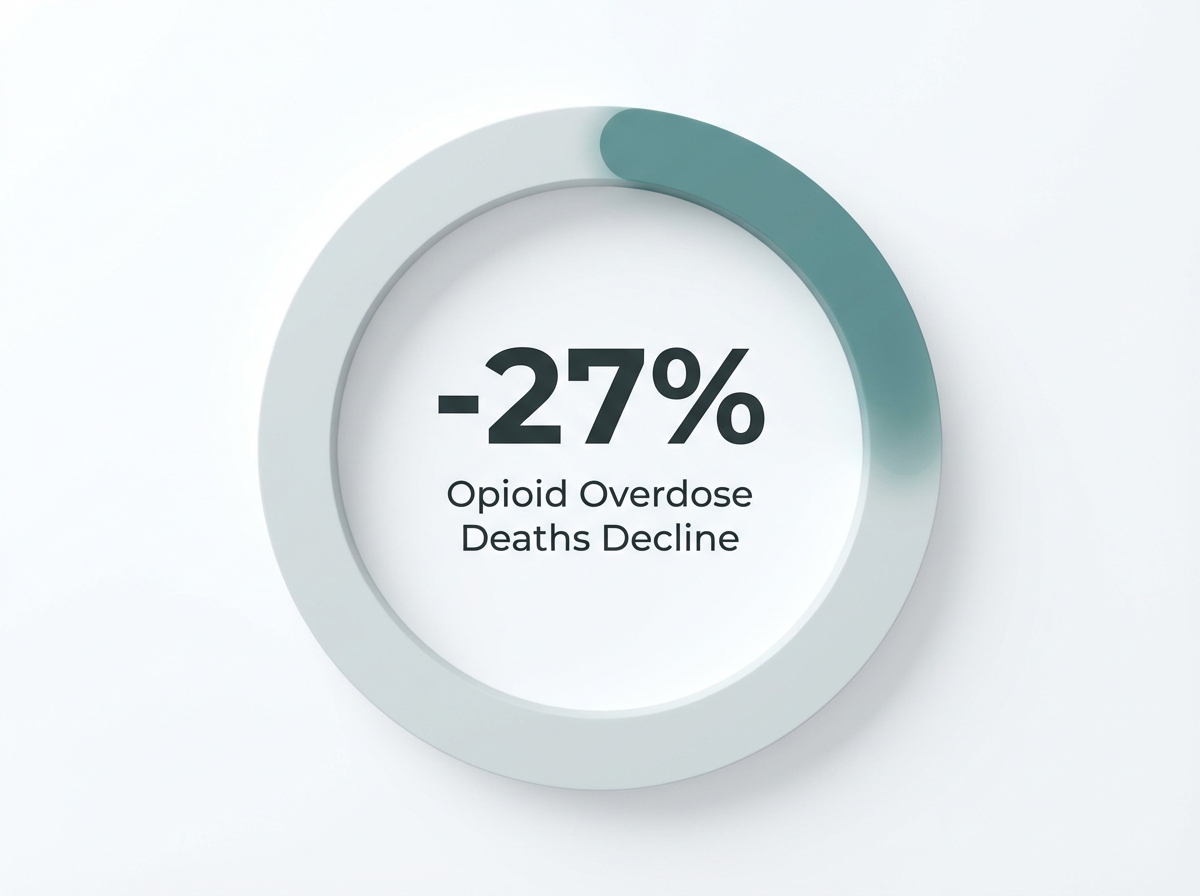
There is a common misconception that "more restrictive" equals "more effective." However, research consistently demonstrates that Intensive Outpatient Programs (IOP) and Partial Hospitalization Programs (PHP) achieve outcomes comparable to inpatient care for individuals with stable living situations.4,5
- Abstinence Rates: Approximately 50-70% of IOP participants remain abstinent at follow-up, matching results seen in residential settings.
- Cost-Efficiency: IOP and PHP typically cost about half as much as inpatient care while delivering similar clinical outcomes for appropriately screened candidates.
- Real-Time Skill Building: Outpatient care allows you to practice coping strategies in your actual environment, rather than a simulated one.
For those seeking opioid outpatient treatment Maine, this evidence confirms that you do not need to sacrifice your professional standing to achieve meaningful recovery.
Medication-Assisted Treatment Integration in Opioid Outpatient Treatment Maine
Buprenorphine and Office-Based Protocols
Tool: MAT Readiness Decision Tree. If you experience physical cravings that distract from work or daily tasks, Medication-Assisted Treatment (MAT) may be a critical stabilizer.
Think of buprenorphine as a physiological anchor. It stabilizes opioid receptors without inducing the euphoria or sedation associated with full opioid agonists. This "ceiling effect" significantly reduces the risk of overdose and respiratory suppression.1
Figure 1: The Safety Profile of Partial Agonists. Unlike full agonists (like heroin or methadone) which have a linear effect-dose relationship, buprenorphine plateaus, providing safety and clarity for working professionals.
Office-based protocols allow eligible patients to manage this aspect of their recovery through standard medical appointments rather than daily clinic visits. This evolution in care, supported by Coastal Recovery Partners, respects your time and autonomy. The number of buprenorphine prescriptions has grown 83% in the last decade, reflecting a shift toward this accessible, office-based model.2
Combining Medication with Therapy
Medication provides the stability required to engage in the psychological work of recovery. It quiets the noise of addiction, allowing the signals of therapy to be heard. Integrated care—pairing MAT with behavioral health—is the gold standard for opioid outpatient treatment Maine.
When MAT is combined with therapies like Cognitive Behavioral Therapy (CBT) or Dialectical Behavior Therapy (DBT), the benefits are multiplicative:3,6
- Higher Abstinence Rates: Integrated care outperforms medication or counseling alone.
- Improved Functioning: Clients report better ability to manage workplace stress and family dynamics.
- Lower Relapse Risk: The combination creates a safety net for both physical cravings and emotional triggers.
Business Application: This integrated approach enables professionals to build healthy routines that support job performance, turning recovery into a productivity asset rather than a liability.
Therapeutic Approaches That Drive Results in Opioid Outpatient Treatment Maine
Cognitive and Behavioral Interventions
Tool: The CBT Logic Model. Use this mental framework to interrupt automatic behaviors: Trigger → Thought → Action → Consequence.
Cognitive Behavioral Therapy (CBT) is akin to mental strength training. It involves identifying the specific thought patterns that precede substance use and re-engineering them. For a professional, this might look like an algorithmic process:
Meta-analyses indicate that CBT produces moderate to strong effect sizes in reducing substance use. At Coastal Recovery Partners, we also utilize Motivational Interviewing, a collaborative conversation style that strengthens your own motivation for and commitment to change, rather than imposing it from the outside.6
Trauma-Informed and Dual Diagnosis Care
Trauma often acts as an invisible weight, subtly influencing reactions and decisions. A trauma-informed approach shifts the clinical perspective fundamentally:
"Rather than asking, 'What’s wrong with you?' clinicians ask, 'What happened to you?'—shifting the focus to understanding and support."
Dual diagnosis treatment is essential for professionals who may be self-medicating for anxiety, depression, or high-stress burnout. Treating the addiction without addressing the underlying mental health condition is often a recipe for recurrence. Coordinated care for co-occurring disorders improves engagement and lowers relapse rates compared to treating each issue in isolation.5
Skill Checkpoint: Ensure your provider offers integrated psychiatric support. Coastal Recovery Partners incorporates medication management and evidence-based therapies to address the whole person, not just the substance use.
Building Recovery Around Work and Life
Employment as a Recovery Predictor
Tool: Career-Recovery Alignment Plan. Map your work goals alongside your treatment milestones to ensure they support one another.
Employment is not just a financial necessity; it is a clinical lever for recovery success. Having a job provides structure, purpose, and social connection. Research highlights that improving employment status during treatment—whether by securing a new role or stabilizing a current one—is a strong predictor of long-term abstinence.
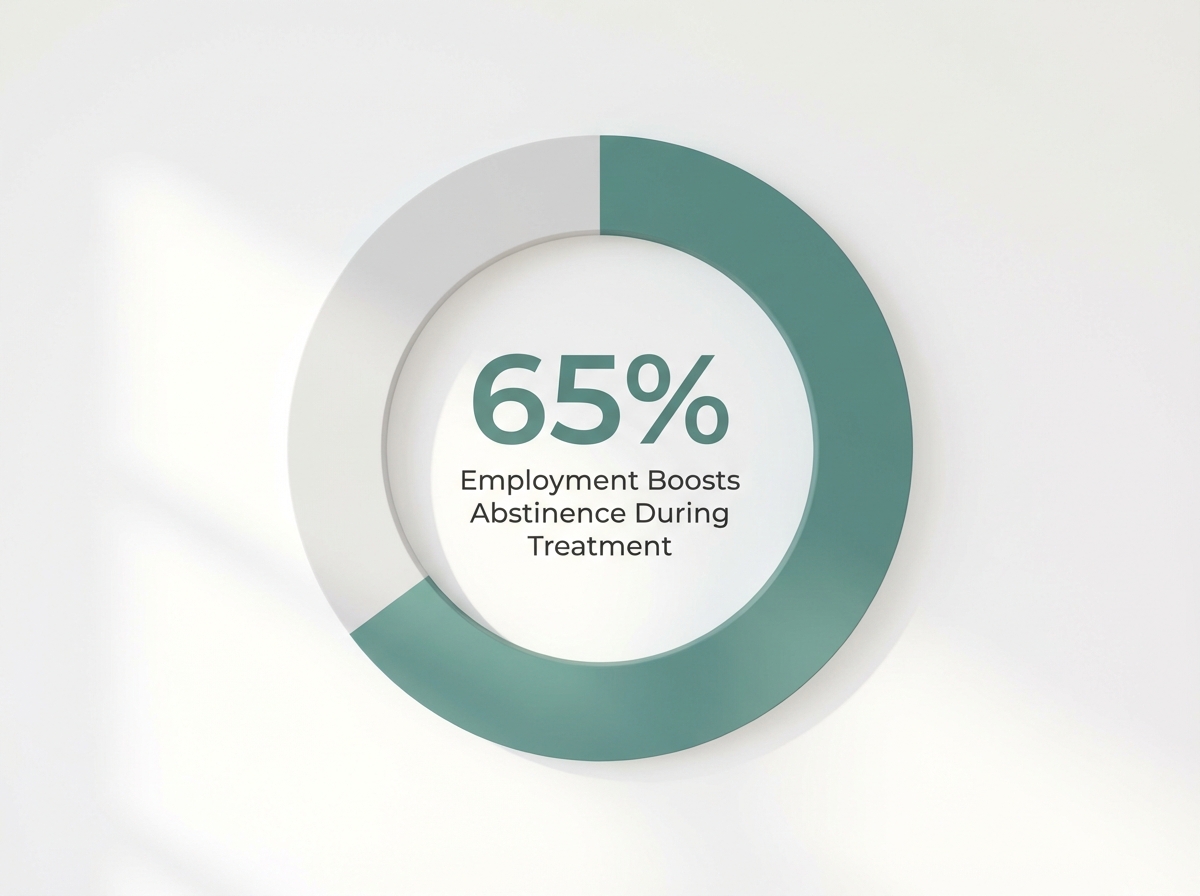
One longitudinal analysis found that individuals who improved their employment status during treatment were 65% more likely to achieve abstinence at six months than those with static employment situations. This data underscores why opioid outpatient treatment Maine programs that accommodate work schedules are critical for long-term success.9
Scheduling Options for Working Adults
Modern outpatient programs treat scheduling as a custom-fit suit, tailored to the professional's needs. Coastal Recovery Partners offers diverse scheduling blocks to ensure treatment enhances, rather than hinders, your career.
Permanent telehealth expansions allow for remote initiation and follow-up appointments, reducing the logistical burden of travel. This "step-down" approach allows you to taper session frequency as your stability increases, seamlessly integrating recovery into your daily life.1
Conclusion
Recovery from addiction requires more than willpower—it demands comprehensive support, evidence-based treatment, and a structured approach that fits into real life. For individuals balancing work responsibilities, family commitments, and the need for healing, finding accessible care that doesn't require stepping away from daily life makes all the difference in sustaining long-term recovery.
Coastal Recovery Partners provides outpatient addiction treatment designed for people maintaining their everyday responsibilities. The facility offers Intensive Outpatient, Partial Hospitalization, and standard Outpatient programs with flexible scheduling—morning, afternoon, and evening sessions that work around job commitments and personal obligations. Treatment includes evidence-based approaches like CBT, DBT, and motivational interviewing to address both substance use and any co-occurring mental health concerns through integrated dual diagnosis care. For those who benefit from it, medication-assisted treatment combines pharmaceutical support with therapeutic interventions, all delivered within a trauma-informed care environment that prioritizes safety and understanding throughout the healing process.
Recovery doesn't mean putting life on hold. With the right outpatient treatment structure, individuals can access the clinical support needed to build lasting sobriety while maintaining the careers, relationships, and commitments that matter most. Healing happens not in isolation, but as part of a full, engaged life—and that's exactly what effective outpatient care makes possible.
Remember that recovery is a journey of rebuilding trust—in yourself, in others, and in the process of healing. If you are ready to explore your options, reach out to Coastal Recovery today. We're here to help guide you toward a future defined not by your past, but by your resilience and hope.
Recovery Starts With a Conversation
Whether you’re exploring recovery for yourself or seeking guidance for someone you care about, Coastal Recovery Partners is here to help. Our team offers trauma-informed, evidence-based support grounded in structure, compassion, and real connection—without pressure or judgment.
When you’re ready, we’ll meet you where you are and help you take the next step forward.
Frequently Asked Questions
What happens if my insurance requires prior authorization for medication-assisted treatment?
If your insurance requires prior authorization for medication-assisted treatment (MAT), your provider will typically help submit the necessary documentation to demonstrate medical necessity. Prior authorization can delay access to buprenorphine or other opioid use disorder medications, sometimes increasing the risk of treatment dropout or overdose during the waiting period. Most outpatient programs are familiar with these requirements and have processes in place to expedite approvals wherever possible. If delays occur, some providers may offer interim support or alternative therapies while authorization is pending. As always, proactive communication with your care team can help minimize disruption to your opioid outpatient treatment Maine.2
Can I continue working full-time while participating in intensive outpatient treatment?
Yes, you can often continue working full-time while participating in intensive outpatient treatment (IOP). Many opioid outpatient treatment Maine programs are purposefully structured with morning, afternoon, or evening sessions, plus telehealth options, to fit around professional and family commitments. Research shows that IOP outcomes are comparable to inpatient care for individuals with stable routines, and flexible scheduling supports both attendance and job retention. Some participants coordinate with employers for minor schedule adjustments or use paid time off for appointments. Open communication with your care team can help design a treatment plan that minimizes workplace disruption while still providing effective support.5
How do I know if I'm a good candidate for outpatient treatment versus residential care?
Outpatient treatment is best suited for individuals with stable housing, minimal withdrawal risk, and a supportive environment—such as professionals who can maintain daily responsibilities while attending therapy. Residential care is typically recommended if you have severe withdrawal symptoms, lack a safe or stable home, or need intensive 24-hour support. Research shows that intensive outpatient programs (IOP) and partial hospitalization (PHP) can deliver outcomes comparable to inpatient treatment for appropriately screened candidates, often at a much lower cost. If you’re able to manage work or family commitments and can safely participate in scheduled groups or individual sessions, opioid outpatient treatment Maine may be the right fit.5
What role does family involvement play in outpatient opioid treatment outcomes?
Family involvement plays a vital role in the success of opioid outpatient treatment Maine. Research shows that when family members participate in education, counseling, or support groups, individuals have higher treatment retention and improved outcomes. Family can provide accountability, reduce isolation, and help reinforce healthy routines at home. In outpatient settings, flexible scheduling enables families to join sessions without major disruptions to work or school, making engagement more practical for all involved. Programs may offer family therapy, psychoeducation, or support resources tailored to the needs of both clients and their loved ones. Open communication and shared understanding foster a supportive environment that strengthens long-term recovery.5
Are telehealth options available for medication management and therapy sessions?
Yes, telehealth options are widely available for both medication management and therapy sessions in opioid outpatient treatment Maine. Permanent policy changes now allow for remote initiation and follow-up appointments for medications like buprenorphine, making it possible to receive care from home or work without disrupting your daily schedule. Therapy, including individual and group counseling, is also routinely offered via secure video platforms. This flexibility is especially beneficial for professionals and those in rural areas who need to balance treatment with job or family responsibilities. Telehealth has become a standard part of outpatient recovery services, supporting greater access and continuity of care.1
How does treatment address co-occurring mental health conditions alongside opioid use disorder?
Treatment for opioid use disorder in outpatient settings routinely addresses co-occurring mental health conditions through integrated, dual diagnosis care. This approach combines substance use treatment with therapy and medication management for issues like depression, anxiety, or trauma—often in the same program and with close provider collaboration. Evidence shows that coordinated care for both mental health and opioid use disorders improves engagement and reduces relapse rates compared to treating each condition separately. Modern opioid outpatient treatment Maine frequently offers flexible scheduling, allowing professionals to access psychiatric support and evidence-based therapies such as CBT or DBT alongside addiction care, making it possible to sustain work and life responsibilities while addressing all aspects of wellness.5
What support is available after completing the initial treatment program?
After completing the initial phase of opioid outpatient treatment Maine, ongoing support is available through structured aftercare, relapse prevention planning, alumni groups, and peer support networks. Research highlights that active participation in peer support and mutual-help groups significantly improves long-term retention and lowers the risk of relapse. Many outpatient programs offer flexible aftercare options, such as evening or virtual alumni meetings, to accommodate work and family schedules. Continued access to therapy, medication management, and care coordination helps individuals maintain progress while balancing professional responsibilities. This layered support ensures that recovery is sustainable well beyond the primary treatment period.8
References
- Buprenorphine Quick Start Guide. https://www.samhsa.gov/sites/default/files/quick-start-guide.pdf
- AMA 2025 Report on Substance Use and Treatment. https://www.ama-assn.org/press-center/ama-press-releases/ama-2025-report-substance-use-and-treatment
- Effects of Medication-Assisted Treatment for Opioid Use Disorder on Functional Outcomes. https://pmc.ncbi.nlm.nih.gov/articles/PMC7302321/
- Substance Abuse Intensive Outpatient Programs: Evidence and Recommendations. https://pmc.ncbi.nlm.nih.gov/articles/PMC4152944/
- Clinical Issues in Intensive Outpatient Treatment for Substance Use Disorders. https://library.samhsa.gov/sites/default/files/pep20-02-01-021.pdf
- Cognitive-Behavioral Therapy for Substance Use Disorders: Evidence and Clinical Application. https://pmc.ncbi.nlm.nih.gov/articles/PMC2897895/
- Relapse Prevention and the Five Rules of Recovery: A Structured Approach. https://pmc.ncbi.nlm.nih.gov/articles/PMC4553654/
- Benefits of Peer Support Groups in Addiction Treatment and Recovery. https://pmc.ncbi.nlm.nih.gov/articles/PMC5047716/
- Employment Status and Addiction Treatment Outcomes: A Longitudinal Analysis. https://www.recoveryanswers.org/research-post/employment-addiction-treatment-outcome/
- Vocational Services and Employment Support in Substance Abuse Treatment. https://www.ncbi.nlm.nih.gov/books/NBK64320/