
Outpatient Rehab for Working Adults: Recovery for Real Life

How Outpatient Rehab for Working Adults Maine Fits Real Life
Understanding Outpatient Care Levels
Finding the right balance between professional responsibilities and personal healing is the primary goal of outpatient rehab for working adults Maine. This section breaks down the different levels of outpatient care, how they work, and how to tell which one might fit your situation. You’ll know you’ve learned it when you can describe the main types and choose which level could support your recovery while you keep up with work and family.
Think of care levels like a ladder where each rung provides specific support. We offer a continuum of care designed to meet you exactly where you are:
Practice This: Create a simple chart listing these three levels. Match them to your current availability. For example, if you work 9-to-5, an evening IOP might be your best starting point.
Skill Checkpoint: You are ready for the next level when you can identify which program intensity aligns with your current work schedule and recovery needs.
When Outpatient Treatment Works Best
This section helps you spot the situations where outpatient rehab truly fits your life. By the end, you’ll be able to decide if outpatient rehab for working adults Maine matches your needs—at home, on the job, or both.
Outpatient care is like a sturdy bridge connecting recovery to real life. It is most effective when you have:
- A stable and safe home environment.
- A supportive network of family or friends.
- Mild to moderate substance use issues.
- Motivation to maintain employment while healing.
For business applications, outpatient programs support employees by reducing time away from work. Research indicates that improving employment status during treatment leads to better long-term recovery outcomes. Our services help you integrate new coping skills directly into your workplace environment immediately.2
Practice This: List three signs your lifestyle would benefit from outpatient rehab (e.g., "I have flexible work hours," "My partner is supportive," "I need to be home for my kids").
Balancing Work and Recovery in Outpatient Rehab for Working Adults Maine
Flexible Scheduling for Career Demands
This section shows how flexible scheduling can help you keep your career on track. You’ll know you’ve learned it when you can identify options that fit your work schedule and confidently plan for both job and treatment commitments.
Think of flexible scheduling as adjustable gears on a bike—shifting up or down based on the terrain. We offer:
- Evening Sessions: Attend therapy after business hours.
- Telehealth Options: Join secure sessions from a private space at home or work.
- Weekend Availability: Maintain a full Monday-Friday work week.
"Research shows telehealth availability for substance use disorder treatment facilities increased by 143% in just one year, and retention in app-based programs can reach up to 52% at six months."3
Our outpatient rehab for working adults Maine prioritizes this flexibility to lower your stress. You do not have to choose between your paycheck and your health.
Practice This: Look at your calendar. Identify two specific time slots (e.g., Tuesday evenings, Thursday lunch breaks) where you could consistently attend a session.
Workplace Strategies During Treatment
Balancing work and treatment can feel like juggling, but small changes make a big difference. This section highlights practical strategies for maintaining employment. Rigid work schedules can threaten recovery, while flexibility promotes better outcomes.7
Click to reveal: How to request workplace adjustments
Step 1: Schedule a private time with HR or a trusted supervisor.
Step 2: Keep it high-level. "I am dealing with a medical issue that requires weekly appointments."
Step 3: Propose a solution. "I can make up the hours on [Day] or shift my start time to [Time]."
On the business track, managers can help by providing private spaces for telehealth or allowing flexible hours. Stigma remains a barrier, but open conversations pave the way for confidence. We partner with you to create return-to-work plans that ease transitions.10
Skill Checkpoint: You are ready to move forward when you can describe one specific adjustment (like a schedule shift) that would make your recovery more sustainable.

Evidence-Based Therapies That Support Recovery
Cognitive and Behavioral Skill Building
Cognitive-behavioral therapy (CBT) is the foundation for lasting change. It works by rewiring your brain’s response to stress and cravings. Imagine your mind as a system of connected gears:
- Thoughts: "I am stressed, I need a drink."
- Feelings: Anxiety, urgency.
- Actions: Using a substance.
CBT teaches you to jam the gears of negative thoughts. Instead of reacting, you learn to pause and choose a different action. Studies show that 60% of patients using CBT provided clean toxicology screens at a 52-week follow-up.6
Practice This: Identify one recurring work stressor. Write down the thought it triggers and one alternative action you can take (e.g., taking a walk instead of venting).
Medication-Assisted Treatment Integration
Medication-Assisted Treatment (MAT) uses FDA-approved medications to manage cravings and withdrawal. Think of MAT as a safety net—it stabilizes your brain chemistry so you can focus on therapy and work.
Common medications include:
- Buprenorphine: Reduces cravings and withdrawal symptoms.
- Methadone: Long-acting relief for opioid use disorder.
- Naltrexone: Blocks the euphoric effects of opioids and alcohol.
Research shows MAT can cut illicit opioid use significantly, with high abstinence rates five years after starting treatment. Our outpatient rehab for working adults Maine integrates these medical tools with counseling to treat the whole person.5
Skill Checkpoint: You are ready for the next level when you can explain how MAT and therapy work together to support long-term stability.
Addressing Dual Diagnosis and Trauma Needs
Integrated Mental Health and Addiction Care
Treating addiction without addressing mental health is like trying to bail out a boat with a hole in the bottom. Integrated care addresses both issues simultaneously. Research confirms that coordinated care leads to fewer gaps and better outcomes.9
Our clinicians collaborate to create a unified plan. This might look like:
- Managing anxiety medication while treating alcohol use.
- Therapy sessions that address workplace depression and substance triggers together.
- Skill-building to handle stress without substances.
Practice This: Write down one way your mental health (e.g., anxiety, depression) affects your work. Bring this to your next session to discuss integrated support.
Trauma-Informed Treatment Approaches
Trauma-informed care recognizes that past experiences shape current behaviors. If your recovery foundation is built on shaky ground from old wounds, progress is difficult. We build a sturdy base by honoring your experiences and avoiding re-traumatization.
Key principles we follow include:
- Safety: Ensuring physical and emotional security.
- Trustworthiness: Being transparent in our decisions.
- Empowerment: Giving you choices in your treatment plan.
Programs using trauma-informed care see higher engagement and better mental health outcomes. Whether in individual therapy or group sessions, our staff is trained to help you feel safe.4
Skill Checkpoint: You are ready for the next level when you can identify one way your treatment plan respects your personal boundaries and history.

Building Your Recovery Path in Maine
Recovery is a personal journey, and finding the right support makes all the difference. Maine offers a range of evidence-based treatment options designed to meet you where you are. Facilities like Milestone Recovery in Portland and Discovery House in South Portland provide specialized care, while community-based programs ensure accessible support across the state. According to the Maine Office of Behavioral Health, over 60% of individuals who complete structured treatment programs maintain recovery beyond one year.
Effective treatment begins with understanding your unique circumstances. From medical detoxification to residential programs and outpatient services, the goal is to provide a foundation for lasting change. Clinical interventions work hand-in-hand with peer support programs such as 12-step groups, SMART Recovery meetings, and Celebrate Recovery communities throughout Maine.
If you or someone you care about is ready to explore treatment options, reaching out to a Maine-licensed treatment provider or calling the state's crisis and support line at (207) 835-3449 is a powerful first step toward lasting recovery.
Recovery Starts With a Conversation
Whether you’re exploring recovery for yourself or seeking guidance for someone you care about, Coastal Recovery Partners is here to help. Our team offers trauma-informed, evidence-based support grounded in structure, compassion, and real connection—without pressure or judgment.
When you’re ready, we’ll meet you where you are and help you take the next step forward.
.webp)
Frequently Asked Questions
How do I tell my employer I need time for treatment appointments?
When sharing your need for treatment time, consider scheduling a private conversation with your supervisor or HR. Be honest but brief—mention you’re addressing a health concern and will need regular time for appointments. You don’t have to share specific details unless you choose to. Many employers are becoming more supportive, especially as research shows flexible work arrangements help employees succeed in recovery and reduce stress. Our outpatient rehab for working adults Maine can provide documentation or help you plan what to say, making the process less overwhelming. Remember, your well-being comes first, and support is available.7
Will my insurance cover outpatient rehab services?
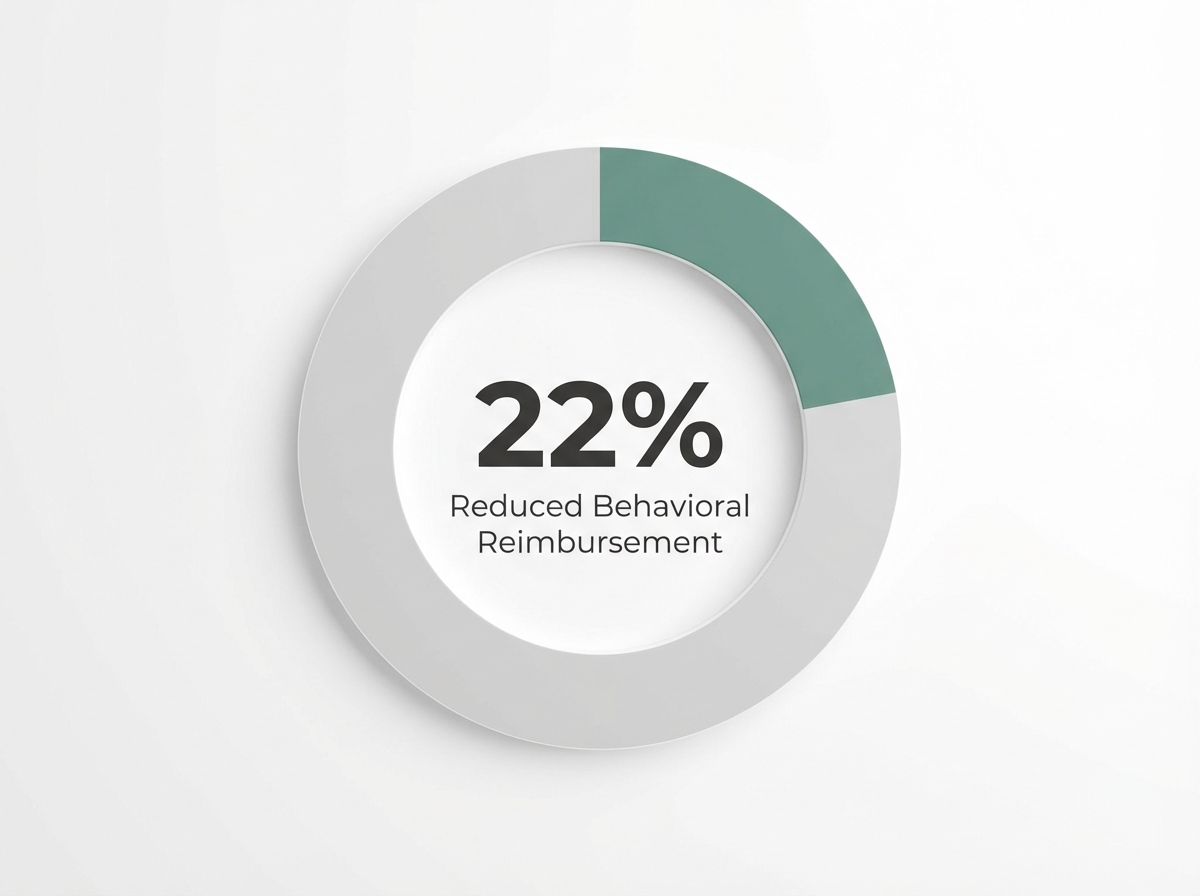
Many insurance plans do cover outpatient rehab for working adults Maine, but the details can vary by provider and policy. Most plans—especially those through employers or the ACA marketplace—offer some behavioral health benefits, including substance use treatment. Keep in mind, insurance reimbursement rates for behavioral health are on average 22% lower than for medical visits, which can affect out-of-pocket costs and network options. Our team will work with you to verify your coverage, explain your benefits, and help you navigate any barriers, making it easier to access the care you need.4
Can I switch from residential treatment to outpatient care if I need to return to work?
Yes, you can often transition from residential to outpatient care if you need to return to work, and this shift is a common step in the recovery journey. Outpatient rehab for working adults Maine provides flexible scheduling and tailored support, making it easier to balance treatment with job responsibilities. Many programs help you step down safely, offering options like intensive outpatient or partial hospitalization to match your needs. Research shows that intensive outpatient programs (IOPs) deliver outcomes comparable to residential care for mild to moderate conditions, so you can continue progressing in recovery while resuming daily life. Our team can guide you through this transition and ensure continuity of care.1
What happens if I relapse during outpatient treatment?
Relapse is a common part of recovery and doesn’t mean treatment has failed. If you relapse during outpatient rehab for working adults Maine, your care team will review your needs and adjust your treatment plan to provide extra support. This might include adding more therapy sessions, exploring medication options, or connecting you with additional resources. Research shows that flexible, responsive care helps people re-engage and sustain long-term recovery. Our services are designed to help you address setbacks with compassion and practical strategies, so you can get back on track without shame. Remember, reaching out quickly makes a difference.7
How long does outpatient rehab typically last for working adults?
The length of outpatient rehab for working adults Maine varies based on your needs and the level of support required. Most programs last from a few weeks to several months, with standard outpatient care often spanning 8–12 weeks, while intensive outpatient or partial hospitalization may run longer. The actual duration is personalized, allowing you to progress at your own pace and adjust as your work and recovery needs change. Research shows that flexible, individual-focused treatment timelines lead to better engagement and results. Our team will help you build a plan that fits your schedule and supports steady progress.1
Can family members participate in my outpatient treatment?
Yes, family members can often participate in your outpatient rehab for working adults Maine. Involving loved ones through family counseling or educational sessions can strengthen your support system and improve recovery outcomes. Research supports that a strong network of support, including family involvement, leads to better engagement and long-term results in substance use disorder treatment. Our services offer opportunities for families to join sessions, learn about addiction, and practice healthy communication. This helps everyone understand the recovery process, reduces feelings of isolation, and encourages healing together. We’re here to include those you trust most in your journey.7
Is telehealth outpatient treatment as effective as in-person sessions?
Yes, telehealth outpatient treatment can be as effective as in-person sessions for many working adults. Recent studies show that app-based telemedicine programs for substance use disorder have a 52% retention rate at six months, which is similar to or higher than the 35-41% retention rates seen in traditional in-person settings. This means you can receive quality care and stay engaged in your recovery, even from home or work. Our outpatient rehab for working adults Maine offers both telehealth and in-person options, so you can choose what best fits your life and comfort level.3
References
- Intensive Outpatient Treatment and the Continuum of Care. https://www.ncbi.nlm.nih.gov/books/NBK64088/
- Does employment status predict addiction treatment outcome? Yes, but the relationship is complex. https://www.recoveryanswers.org/research-post/employment-addiction-treatment-outcome/
- Characterizing App-Based Telemedicine for Opioid Use Disorder Treatment. https://pmc.ncbi.nlm.nih.gov/articles/PMC12781404/
- New Policies Affecting Access to Mental Health Care. https://updates.apaservices.org/new-policies-affecting-access-to-mental-health-care
- Long-term Effects of Buprenorphine & Methadone on Opioid Use. https://www.recoveryanswers.org/research-post/long-term-effects-of-buprenorphine-methadone-on-opioid-use/
- Cognitive-Behavioral Therapy for Substance Use Disorders. https://pmc.ncbi.nlm.nih.gov/articles/PMC2897895/
- Workplace Supported Recovery from Substance Use Disorders. https://pmc.ncbi.nlm.nih.gov/articles/PMC10193449/
- Using Motivational Interviewing in Substance Use Disorder Treatment - Advisory 35. https://library.samhsa.gov/sites/default/files/PEP20-02-02-014.pdf
- Coordinating Care for Better Mental, Substance-Use, and General Health Outcomes. https://www.ncbi.nlm.nih.gov/books/NBK19833/
- Stigma and substance use disorders: A clinical, research, and advocacy agenda. https://pmc.ncbi.nlm.nih.gov/articles/PMC8168446/