
Recovery for Working Adults: Life Doesn't Pause to Rebuild

Recovery for Working Adults: When Your Career Can't Wait
The Employment Reality of Substance Use
Checklist: Spotting the Overlap—Employment and Substance Use
- Are you or your coworkers missing work more often than usual?
- Is workplace performance slipping, or are deadlines harder to meet?
- Do you feel anxious about balancing job demands and personal health?
Substance use doesn’t just affect your personal life—it is a workplace issue, too. Recovery for working adults is a critical topic because nearly 70% of adults with a substance use disorder (SUD) remain employed. This means the impact of addiction is felt throughout the workforce, from entry-level staff to executive management. Yet, fewer than 20% of working adults with SUD seek help while still working, often due to fear of stigma or job loss. This reality leaves many professionals struggling in silence, even as their careers depend on their ability to function each day.1
"Research shows that untreated SUD results in $10,500 in lost productivity per employee each year, while treatment and workplace support can reduce losses to $2,100."10
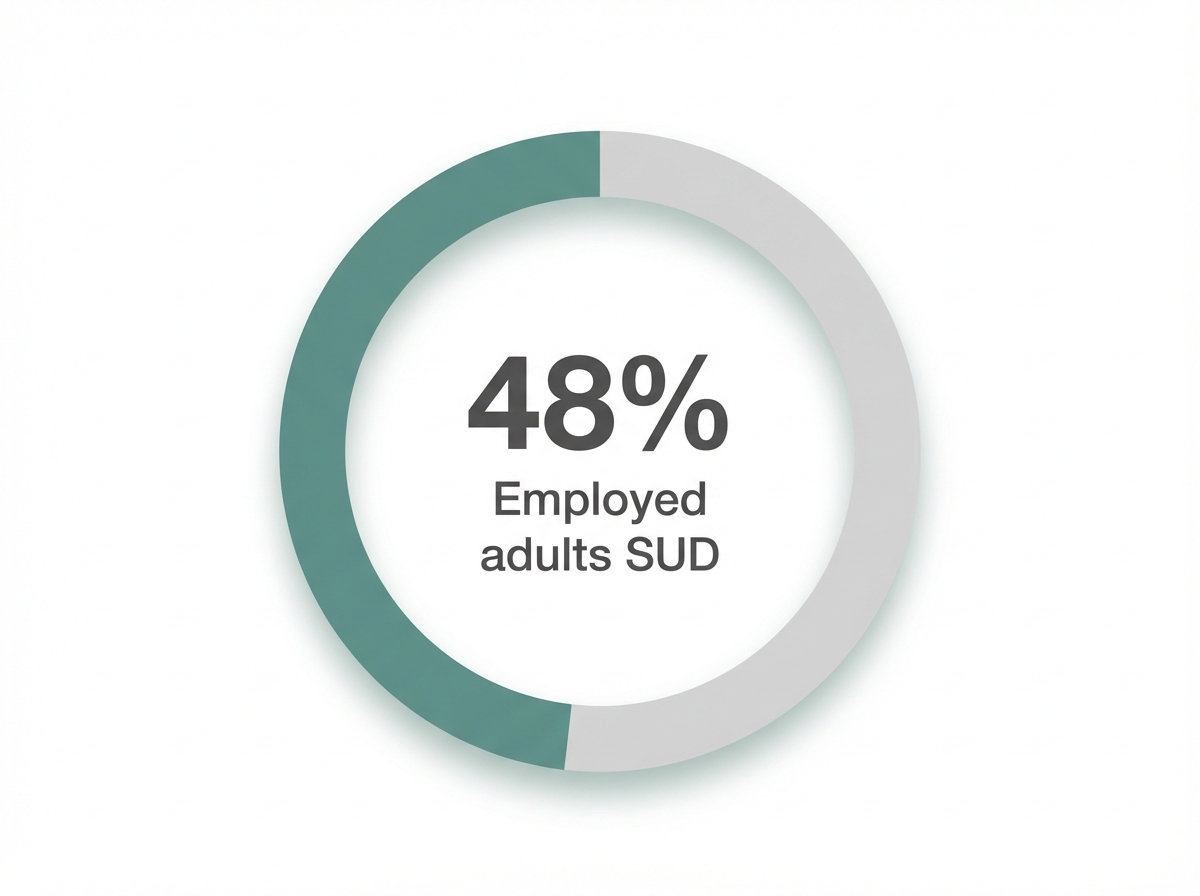
For employers, investing in recovery programs for working adults can offer a 4:1 return on investment. Effective recovery requires accessible, stigma-free pathways to care. Treatment centers that offer flexible scheduling, confidential support, and integrated care make it easier for professionals to step forward—without putting their livelihoods at risk. These services not only address addiction but also support mental health, which is vital as nearly half of working adults with SUD also experience co-occurring conditions like anxiety or depression.6,10
As you consider your own needs or those of your employees, understanding the realities of substance use and work is the first step. Next, we’ll look at why outpatient care is often the best fit for working lives.
Why Outpatient Care Fits Working Lives
Decision Tool: Is Outpatient Care Right for You?
- Do you need to keep your job or maintain steady income during treatment?
- Are you seeking support that works around your work schedule?
- Would you benefit from privacy and the ability to return home after sessions?
If you answered yes to any of these, outpatient care may be a great fit for your recovery journey.
Outpatient programs are designed to meet the unique needs of working adults. Unlike inpatient treatment, outpatient care allows individuals to attend counseling, group therapy, or medication appointments while still fulfilling job responsibilities. This approach works best when someone needs to balance recovery with professional and family commitments.
Research shows that intensive outpatient programs (IOPs) can be just as effective as inpatient care. Specifically, 91% of telehealth IOP participants stay engaged for at least 30 days—one of the highest retention rates for working professionals. Treatment centers that specialize in recovery for working adults often offer evening and early morning sessions, telehealth visits, and confidentiality policies that respect your career. These flexible options make it possible to get help without putting employment at risk. For many, maintaining work is important not only for financial reasons but also as a source of structure and self-esteem during recovery.5,7
Legal Protections During Recovery for Working Adults
FMLA and ADA Rights During Treatment
Working adults considering treatment often wonder if their job is safe. Understanding the distinction between the Family and Medical Leave Act (FMLA) and the Americans with Disabilities Act (ADA) is crucial for protecting your career.
FMLA allows for leave for serious health conditions—including substance use disorder treatment—without risk of losing health benefits. Recent Department of Labor guidance also confirms that telehealth treatment qualifies for FMLA, making it more accessible for remote and traveling professionals.2
The ADA further protects working adults by classifying substance use disorders as disabilities. This means employers must provide reasonable accommodations, such as flexible scheduling for treatment appointments. However, active illegal drug use is not protected, so it’s important to seek treatment proactively. Treatment centers specializing in recovery for working adults can help you navigate the necessary paperwork and coordinate with your employer.3

Navigating Workplace Accommodations
Accommodation Planner: Steps to Request Support at Work
- Identify specific needs: E.g., schedule changes, remote work days, or treatment breaks.
- Prepare documentation: Get a letter from your treatment provider (omitting unnecessary medical details).
- Meet with HR: Schedule a private meeting with your HR representative or supervisor.
- Confirm in writing: Ensure all agreements are documented to protect your rights.
For many pursuing recovery for working adults, workplace accommodations are a practical way to stay on the job while addressing health needs. Accommodations might include flexible hours, permission to attend regular counseling sessions, or temporary changes in duties. This strategy suits professionals who want to maintain stability without giving up on their career goals. According to the National Institute on Drug Abuse, employment stability is one of the top three predictors for successful recovery, and work-based accommodations contribute directly to this stability.7
It’s common to feel nervous about requesting support, but federal law requires employers to consider reasonable accommodations when they don’t cause undue hardship on business operations. Many organizations also offer Employee Assistance Programs (EAPs), which can connect you to confidential counseling and advocacy within the workplace. Studies show that companies with comprehensive EAPs see 25-30% higher treatment engagement among employees, leading to better long-term outcomes.3,4
Structuring Treatment Around Work Demands
Flexible Scheduling for Career Continuity
Scheduling Solution: Flexible Care Planner for Working Adults
- Audit your calendar: List your typical work hours and any recurring meetings or travel.
- Identify gaps: Mark ideal windows for treatment (before/after work, lunch breaks, remote work days).
- Coordinate: Share your availability with your treatment provider for custom scheduling.
Many adults hesitate to seek help because they fear treatment will disrupt their career. Flexible scheduling is a core part of recovery for working adults, making it possible to stay connected to work while attending vital therapy, medical appointments, or group sessions. Treatment centers specializing in this approach often offer early morning, evening, and even weekend sessions, as well as telehealth options that fit into busy calendars. This path makes sense for professionals who juggle unpredictable shifts, project deadlines, or frequent travel.
The ability to schedule appointments outside the traditional 9-to-5 is more than just convenient—it’s a proven way to boost engagement and long-term success. Recent research shows that telehealth-integrated outpatient programs achieve a 91% retention rate at 30 days among employed participants, the highest for any care model. Treatment centers focused on recovery for working adults are experts at adapting to your unique needs, ensuring minimal work disruption and maximum privacy.5
Dual Diagnosis Care for Professional Stress
Assessment Tool: Dual Diagnosis Self-Check for Working Professionals
- Do you often feel overwhelmed by work stress, even outside of substance use episodes?
- Have you experienced anxiety, depression, or mood swings that affect your job performance?
- Are both mental health and addiction concerns making it difficult to keep up with professional responsibilities?
Nearly half of working adults managing substance use disorders also face co-occurring mental health conditions such as anxiety or depression. This overlap, known as dual diagnosis, increases the risk of burnout, absenteeism, and professional setbacks if left unaddressed. For those seeking recovery for working adults, integrated dual diagnosis care is essential—treating both addiction and mental health together rather than separately.6
Treatment centers that specialize in this approach offer coordinated therapy, medication management, and stress reduction strategies tailored to the demands of professional life. Research shows that when dual diagnosis care is integrated, work productivity improves by 34% compared to addressing addiction or mental health issues in isolation. Flexible service offerings—like teletherapy, evening sessions, and employer-coordinated support—help clients manage both recovery and workplace obligations.6
Recovery Starts With a Conversation
Whether you’re exploring recovery for yourself or seeking guidance for someone you care about, Coastal Recovery Partners is here to help. Our team offers trauma-informed, evidence-based support grounded in structure, compassion, and real connection—without pressure or judgment.
When you’re ready, we’ll meet you where you are and help you take the next step forward.
Employment as a Foundation for Recovery for Working Adults
How Work Structure Supports Sobriety
Support Tool: Work Structure Checklist for Recovery Success
- Do you have a consistent daily routine that helps anchor your mornings and evenings?
- Is your workload manageable, allowing time for self-care and recovery activities?
- Are supportive colleagues or supervisors available if challenges arise?
For many, the structure that comes from regular employment is a powerful ally in recovery for working adults. Daily work routines create predictable patterns that help reduce stress and limit idle time—both key factors in lowering relapse risk. Research shows that the structure provided by employment cuts relapse vulnerability by 31%, making it a valuable component of any recovery plan.7
This approach is ideal for people who thrive on routine and appreciate having clear expectations each day. Participating in the workforce also fosters a sense of purpose, achievement, and community, which are all linked to better recovery outcomes. Treatment centers specializing in recovery for working adults recognize the value of work-life structure and support clients in maintaining employment while building skills to manage workplace stress.7

Financial Stability and Relapse Prevention
Action Tool: Financial Security Assessment for Relapse Prevention
- Do you have a steady source of income to cover your living and recovery expenses?
- Are you able to pay for treatment, medications, or therapy without added stress?
- Can you build savings or manage debt while focusing on your health?
Financial stability isn’t just a comfort—it’s a proven shield against relapse for working adults. Research highlights that financial security from employment is the second most important protective factor against relapse, right after ongoing participation in recovery activities. When individuals feel confident in their ability to meet basic needs and support themselves throughout treatment, stress decreases and motivation to stay sober increases.4
Treatment centers that focus on recovery for working adults understand the connection between finances and lasting sobriety. Their service offerings often include career counseling, help accessing employee assistance benefits, and guidance on insurance navigation to relieve the burden of paying for care. By supporting clients in maintaining employment or returning to work, these programs create a foundation for both personal and financial resilience.
Conclusion: Your Next 30 Days in Recovery
Throughout the journey from initial detoxification through establishing new routines and coping mechanisms, the first 30 days of recovery set the foundation for long-term success. Each day brings new challenges and small victories that build upon one another. Days 1-7 typically focus on medical stabilization and withdrawal management, while days 8-15 introduce structured therapeutic routines including individual counseling and group sessions. By weeks 3-4, individuals begin developing personalized relapse prevention strategies and connecting with ongoing support systems. Whether someone is just beginning their journey or supporting a loved one through theirs, having concrete resources like cognitive-behavioral therapy, 12-step programs, and medication-assisted treatment makes all the difference.
Recovery isn't a solitary path. It thrives in environments where compassionate care meets evidence-based treatment approaches. Professional support helps individuals navigate the physical, emotional, and psychological aspects of early recovery while building essential coping skills for the road ahead. Research shows that individuals who complete a full 30-day treatment program are 70% more likely to maintain sobriety at the one-year mark compared to those who leave early.
Those first 30 days are just the beginning. Real transformation happens when someone commits to the process and surrounds themselves with people who understand the complexities of addiction. With dedicated treatment programs, therapeutic support including trauma-informed care and family counseling, and a community that believes in second chances, sustainable recovery becomes possible.
Taking that first step is often the hardest part. Reaching out for help demonstrates courage and a readiness to embrace change. Call a treatment center today to discuss personalized 30-day program options, or speak with a licensed counselor who can help create a recovery plan tailored to individual needs and circumstances. Recovery is within reach, and no one has to face it alone.

Frequently Asked Questions
What should I tell my employer about seeking treatment?
You aren’t required to share specific details about your recovery for working adults with your employer. Most people choose to simply state they need time off for a medical reason, which is protected under privacy laws and the Family and Medical Leave Act (FMLA). If you need workplace accommodations—like a flexible schedule or time for appointments—you can request these under the Americans with Disabilities Act (ADA). Treatment centers specializing in recovery for working adults can guide you on what to share and provide documentation, ensuring your privacy and job security are respected.2,3
How much does outpatient treatment typically cost with insurance?
The cost of outpatient treatment with insurance can vary, but most employer health plans significantly reduce out-of-pocket expenses for working adults. While coverage details depend on your specific plan, you may pay for co-pays, deductibles, or a percentage of session fees. Many Employee Assistance Programs (EAPs) offer extra support, sometimes covering a set number of sessions at no cost. Treatment centers focused on recovery for working adults can help you verify benefits, navigate insurance paperwork, and maximize available resources. Connecting with a provider early ensures you get the most from your coverage and avoid unexpected costs.4
Can I attend treatment sessions via telehealth while traveling for work?
Yes, attending treatment sessions via telehealth is a practical option for many working adults, even while traveling for work. Research shows that telehealth-integrated intensive outpatient programs have a 91% retention rate at 30 days, making them highly effective and convenient for professionals on the go. Many treatment centers specializing in recovery for working adults provide secure video sessions, flexible scheduling across time zones, and mobile-friendly platforms. These service offerings help you maintain consistent care, no matter your location, without disrupting work obligations. Connecting with a provider who understands your travel needs ensures ongoing support and privacy throughout your recovery journey.5
How do I balance treatment attendance with mandatory overtime or irregular work schedules?
Balancing treatment with mandatory overtime or unpredictable shifts can be challenging, but recovery for working adults is possible with flexible solutions. Many treatment centers offer evening, early morning, and weekend sessions, as well as telehealth appointments that fit around irregular work hours. This approach works best for those whose schedules change week to week. It’s also helpful to discuss workplace accommodations under the ADA, such as adjusting shift times or allowing time away for therapy. Providers specializing in recovery for working adults can coordinate with your employer and help you build a schedule that supports both your health and your job.3,5
What happens if I relapse while working—will I lose my job protections?
A relapse during recovery for working adults does not automatically mean you lose all job protections. If you are actively participating in treatment or promptly seek help after a relapse, the Family and Medical Leave Act (FMLA) and Americans with Disabilities Act (ADA) can still safeguard your employment. However, protections may be at risk if substance use negatively impacts your job or violates workplace policies. Treatment centers that focus on recovery for working adults can guide you on next steps, help you document ongoing treatment, and support communication with your employer. Prompt action and transparent support are key to maintaining your rights.2,3
Are medication-assisted treatments allowed in safety-sensitive jobs?
Medication-assisted treatment (MAT) can be a safe and effective part of recovery for working adults, but its use in safety-sensitive jobs—such as those involving heavy machinery or public safety—depends on employer policies and federal regulations. Some employers or licensing boards may have restrictions, despite research showing that MAT at prescribed doses does not impair cognitive or motor function. If you work in a regulated field, consult with your employer and a treatment provider experienced in recovery for working adults. These service offerings include advocacy, documentation, and guidance to help you navigate workplace requirements while maintaining your recovery plan.3
How long does it take to see improvement in work performance after starting treatment?
Most working adults notice improvement in work performance within a few weeks to a few months after starting treatment, though the exact timeline varies by individual and job type. Research shows that employees engaged in structured recovery programs experience a 34% boost in productivity when treatment addresses both substance use and any co-occurring mental health concerns. Treatment centers specializing in recovery for working adults offer personalized plans, ongoing support, and workplace coordination, which help speed up positive changes. Staying consistent with therapy, using flexible scheduling, and accessing employer-supported programs can all help you see results sooner in both your health and your career.6
References
- 2019 National Survey on Drug Use and Health: Detailed Tables - Employment Status. https://www.samhsa.gov/data/sites/default/files/reports/rpt29394/2019NSDUHFFRPDFWHTML/2019NSDUHFFR090120.pdf
- Family and Medical Leave Act (FMLA) - U.S. Department of Labor. https://www.dol.gov/agencies/whd/fmla
- Americans with Disabilities Act Amendments Act (ADAAA) - EEOC. https://www.eeoc.gov/laws/statutes/adaaa.cfm
- SHRM Research: Employee Assistance Programs and Substance Use Disorder. https://www.shrm.org/hr-today/news/all-things-work/pages/default.aspx
- Substance Abuse Intensive Outpatient Programs: Assessing Effectiveness - NIH. https://www.ncbi.nlm.nih.gov/pmc/articles/PMC4152944/
- National Institute of Mental Health - Co-occurrence of Mental Illness and Substance Use. https://www.nimh.nih.gov/health/statistics/mental-illness
- National Institute on Drug Abuse - Treatment and Recovery Research. https://www.nida.nih.gov/research-topics/treatment-recovery
- NIOSH - Occupational Health Psychology and Recovery Support. https://www.cdc.gov/niosh/topics/stress/workorg.html
- RAND Corporation - Substance Use Treatment Policy Research. https://www.rand.org/topics/substance-abuse-and-treatment.html
- NIH - Economic Impact of Substance Use on Workforce Productivity. https://www.ncbi.nlm.nih.gov/pmc/articles/PMC3131722/