
Trauma-Informed Care in Maine: A Complete Guide

Understanding Trauma-Informed Care in Maine
Navigating the behavioral health landscape can be daunting, but finding the right trauma-informed care ME resources is the first step toward genuine healing. Trauma-informed care represents a fundamental shift in how behavioral health professionals approach treatment, recognizing that traumatic experiences profoundly shape a person's mental, emotional, and physical well-being. In Maine, this framework has become increasingly important as communities work to address the lasting effects of adverse childhood experiences, domestic violence, addiction disorders, and other traumatic events that impact residents across the state.
"Rather than asking 'What's wrong with you?' practitioners trained in these principles ask 'What happened to you?' This simple but powerful reframing creates a foundation of safety, trust, and collaboration."
The core philosophy of trauma-informed care shifts the focus from symptoms to root causes.
Maine's behavioral health and substance use treatment providers have embraced these foundational principles that prioritize physical and emotional safety in treatment settings. This means creating environments where individuals feel heard, respected, and empowered in their healing journey. Therapists work to establish clear boundaries, maintain consistency, and involve clients in decision-making about their own recovery whenever possible.
The benefits of this compassionate framework extend beyond individual therapy sessions. When implemented effectively, these practices reduce the risk of re-traumatization, improve treatment outcomes, and help people develop healthier coping mechanisms. For Maine residents who have experienced trauma, working with practitioners who understand these concepts can make the difference between feeling judged and feeling genuinely supported.
Maine's Unique Approach to Trauma-Informed Care
What sets Maine’s trauma-informed care approach apart is its dedication to statewide collaboration and culturally sensitive practices. The Department of Health and Human Services brings together agencies, clinicians, and community partners from Lewiston-Auburn to Bangor, creating a network where shared training and organizational assessments are routine. This unique approach honors Maine’s rural and coastal identities, ensuring that trauma-informed care ME adapts to the needs of families in the Western Mountains as well as those in the Portland area.1
By offering services that blend evidence-based therapies and peer support, providers help Mainers rebuild trust and resilience in familiar, community-based settings. The company’s services include counseling, medication-assisted treatment, and family-focused programs—all designed to reflect Maine values and support recovery at every stage.2
Maine's Statewide Trauma-Informed Initiative
Maine’s statewide trauma-informed initiative stands out for its coordinated, multi-agency approach that reaches every region—from the Midcoast to the North Woods. The Department of Health and Human Services Office of Behavioral Health leads this effort by offering trauma-informed education, staff training, and organizational assessments, including the Trauma-Informed Agency (TIA) Assessment Tool. This initiative ensures that providers in places like Augusta and York receive consistent support and resources, helping them deliver care that is sensitive to the unique experiences of Mainers.1
The Six Core Principles Explained
Maine’s trauma-informed care ME framework is guided by six core principles that shape every aspect of care. These ensure that clients feel secure, respected, and truly heard:2
- Safety: Creating a physically and emotionally secure environment.
- Trustworthiness and Transparency: Operations and decisions are conducted with transparency to build trust.
- Peer Support: Utilizing shared experiences to promote recovery.
- Collaboration and Mutuality: Healing happens in relationships and through shared decision-making.
- Empowerment, Voice, and Choice: Individuals' strengths are recognized and validated.
- Cultural, Historical, and Gender Issues: Moving past stereotypes and biases to offer responsive care.
Why Trauma-Informed Care Matters
Why does trauma-informed care matter so much for Maine communities? Across the state, the effects of trauma are deeply tied to behavioral health needs—about half of Mainers seeking substance use treatment also live with PTSD, making healing especially complex without a sensitive approach. Trauma-informed care ME is essential because it recognizes these layered challenges, offering services that blend compassion with proven strategies for recovery.5
The Connection Between Trauma and Addiction
Trauma and addiction often go hand-in-hand for Mainers, creating a cycle that can be tough to break without the right support. Many turn to substances as a way to cope with painful memories or overwhelming stress—what experts call the self-medication hypothesis. This connection means that trauma-informed care is especially vital, as it addresses both the root causes and symptoms of addiction.4
Co-Occurring Disorders in Maine
Co-occurring disorders—when someone faces both a mental health condition and a substance use disorder—are a pressing concern across Maine. In FY 2023, 42% of adults served by Maine’s State Mental Health Authority had both mental health and substance use issues. These dual diagnoses can complicate recovery, especially in rural areas where resources may be sparse. The company’s services are tailored to meet these complex needs, combining counseling, medication-assisted treatment, and family engagement. 7
State Regulations & Treatment Standards
These trauma-informed principles aren't simply philosophical ideals in Maine—they're codified into law and regulatory practice. Maine has established comprehensive regulatory frameworks to ensure that trauma-responsive services meet rigorous standards across all treatment settings.
The state also maintains quality assurance protocols through regular facility inspections conducted by the Office of Behavioral Health, with unannounced site visits occurring at minimum biennially. Providers must demonstrate ongoing staff development in trauma-responsive methodologies. Maine's participation in the Substance Abuse and Mental Health Services Administration's (SAMHSA) Trauma-Informed Care Implementation Resource Center has further strengthened these standards, with 87% of licensed facilities now holding formal trauma-informed care certifications.
Maine's Behavioral Health Framework
Maine’s behavioral health framework is built around a coordinated, trauma-informed approach designed to meet the state’s unique needs. The Department of Health and Human Services Office of Behavioral Health provides clear guidelines that require trauma-informed staff training, use of the Trauma-Informed Agency Assessment Tool, and regular organizational reviews. This ensures that providers in cities such as Portland and Bangor, as well as in smaller towns across the Down East and Western Mountains, deliver care grounded in safety, trust, and empowerment.1
DHHS Office of Behavioral Health Guidelines
The DHHS Office of Behavioral Health sets the foundation for trauma-informed care ME in Maine by issuing statewide guidelines that all providers must follow. These guidelines require regular staff training in trauma awareness, integration of trauma-informed practices into daily operations, and ongoing evaluation of organizational culture. By prioritizing education and collaboration, the DHHS ensures that agencies from Portland to the Western Mountains deliver services grounded in safety and respect.1
Trauma-Informed Agency Assessment Tools
Trauma-Informed Agency Assessment Tools are a key part of Maine’s strategy to ensure quality care at every level. The DHHS Office of Behavioral Health uses the Trauma-Informed Agency (TIA) Assessment Tool, which helps organizations in places like Bangor and Lewiston-Auburn evaluate how well they practice trauma-responsive care. This tool prompts agencies to assess staff training, client safety, and inclusion of community voices—core elements for truly trauma-sensitive services.1
Medication-Assisted Treatment Protocols
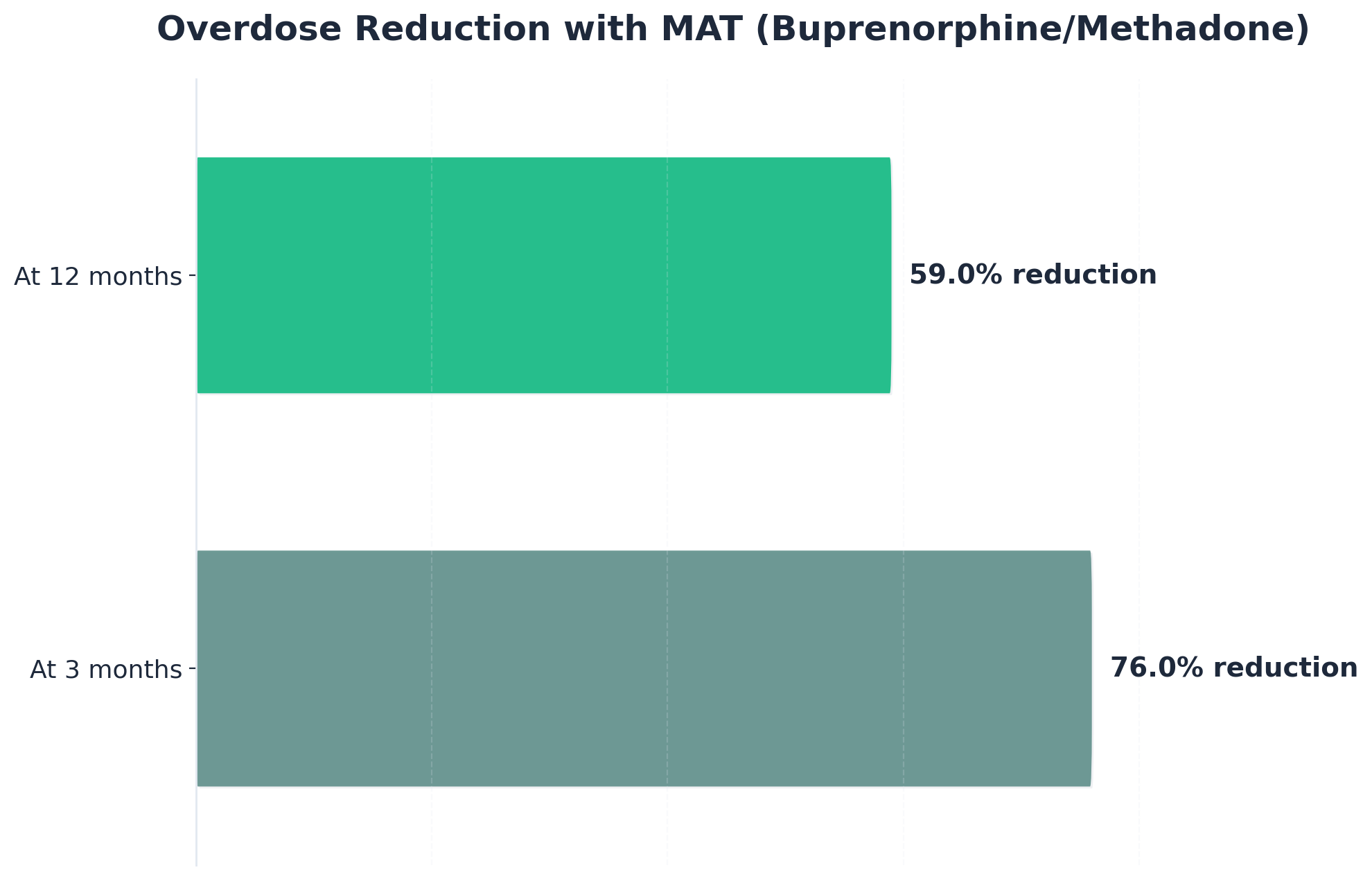
Medication-assisted treatment (MAT) protocols are a cornerstone of trauma-informed care ME in Maine, offering a lifeline to Mainers working toward recovery from opioid use disorder. Under guidance from the Department of Health and Human Services, MAT in Maine includes evidence-based use of buprenorphine and methadone, both proven to dramatically reduce overdose risk—by 76% at three months and 59% at twelve months.7
Maine's OBOT Requirements and Standards
Maine’s Office-Based Opioid Treatment (OBOT) requirements set a high standard for care by ensuring opioid use disorder treatment is both safe and person-centered. OBOT providers—serving communities from Portland to rural Down East—must complete specialized clinician training, obtain informed consent from each patient, and deliver ongoing overdose prevention education. The use of the Prescription Monitoring Program is mandatory, which helps keep care transparent and coordinated.7
Evidence Supporting MAT Effectiveness
The evidence supporting medication-assisted treatment (MAT) in Maine is powerful and clear. Studies show that Mainers receiving buprenorphine or methadone experience a 76% reduction in overdose risk at three months and a 59% reduction at twelve months, compared to those not on MAT. These results highlight why trauma-informed care ME includes MAT as a core tool for supporting recovery and stability.7
Recovery Starts With a Conversation
Whether you’re exploring recovery for yourself or seeking guidance for someone you care about, Coastal Recovery Partners is here to help. Our team offers trauma-informed, evidence-based support grounded in structure, compassion, and real connection—without pressure or judgment.
When you’re ready, we’ll meet you where you are and help you take the next step forward.
Regional Considerations Across Maine
Maine's diverse geography and population distribution create unique challenges for individuals seeking behavioral health and substance abuse treatment. Understanding these regional differences helps ensure people can access appropriate care regardless of where they live in the state.
Click to compare Urban vs. Rural Access Challenges:10
- Southern Maine (Portland/Metro): High concentration of facilities, specialized programs, but potentially longer wait times due to demand.
- Central Maine (Lewiston/Augusta): Solid provider network, strong community-based services, fewer niche specialties.
- Northern/Rural Maine: Greater travel distances, reliance on telehealth, limited detox services (82% of rural residents lack local detox access).
- Coastal Communities: Seasonal fluctuations in service availability due to tourism peaks.
Urban vs. Rural Treatment Access
Access to trauma-informed care ME in Maine varies greatly between urban and rural regions. In cities such as Portland and Bangor, Mainers benefit from a broad range of specialized providers, group programs, and integrated behavioral health clinics. Yet in rural areas—like the Western Mountains, Down East, or the North Woods—residents often face long travel distances and limited provider options. Notably, 82% of rural residents in the U.S., a figure that mirrors many Maine communities, live in counties without local detox services.10
Barriers to Care in Rural Communities
Rural Mainers often face significant barriers to care, including long travel distances, limited public transportation, and a shortage of local providers. Stigma around mental health and addiction can further discourage individuals from seeking help. The company addresses these obstacles by offering flexible counseling, medication-assisted treatment, and family-focused services both in-person and via telehealth. By adapting trauma-sensitive support to fit the realities of rural life, Mainers receive compassionate care that respects their unique needs and circumstances.
Southern Maine's Treatment Infrastructure
Southern Maine’s treatment infrastructure stands out for its wide range of trauma-informed care ME options and coordinated support. Cities like Portland, South Portland, and Biddeford have a dense network of providers offering counseling, medication-assisted treatment, and family programs, all built on trauma-responsive principles. Integrated behavioral health clinics and community health centers are common, making it easier for Mainers in the region to access services close to home.
Major Service Areas and Resources
Maine’s trauma-informed care network is anchored by major service areas that ensure support reaches every region, from the Portland Metro to the rural North Woods. In the Portland area, Mainers can access integrated behavioral health centers, group therapy, and medication-assisted treatment—all grounded in trauma-sensitive practices. Across Lewiston-Auburn, Bangor, and Augusta, service hubs connect individuals with counseling, peer recovery coaches, and family-focused programs.
Portland Metro and Surrounding Communities
The Portland Metro area stands out as the heart of trauma-informed care ME in Maine, with a robust network of providers and resources tailored to diverse community needs. Mainers in Portland, South Portland, and neighboring towns benefit from integrated behavioral health centers, group therapy options, and medication-assisted treatment programs that prioritize safety, trust, and cultural sensitivity.1
Statewide Support Networks
Statewide support networks are the backbone of care in Maine, connecting Mainers from Lewiston-Auburn and Bangor to Augusta, the Western Mountains, and Down East with consistent, high-quality resources. The Department of Health and Human Services coordinates these networks through regional resource pages, cross-agency referrals, and training initiatives like Trauma-Informed 101 webinars. Peer Recovery Coaches—certified through the Maine Recovery Coach Certification Board—play a vital role in linking individuals and families to support across the state.1
Evidence-Based Therapies and Approaches
When seeking treatment for trauma-related psychological challenges and addiction, understanding which therapeutic approaches have proven effectiveness empowers individuals and families to make informed decisions. Maine treatment centers increasingly incorporate evidence-based therapies specifically designed to address trauma's complex impact on mental health and substance use. Research shows that trauma-focused therapies can reduce PTSD symptoms by 50-80% when properly implemented.
Therapeutic Models for Trauma and Addiction
Providers offer trauma-informed care ME using therapies such as cognitive behavioral therapy (CBT), dialectical behavior therapy (DBT), and specialized programs like Seeking Safety, all tailored to address the dual challenges of trauma symptoms and substance use. These methods are widely available in Portland, Bangor, and Lewiston-Auburn, as well as via telehealth for rural and Down East Mainers.5
Cognitive Behavioral and DBT Approaches
Cognitive Behavioral Therapy (CBT), particularly trauma-focused CBT, remains one of the most widely researched approaches for addressing how traumatic experiences create negative thought patterns that contribute to addiction. This structured, goal-oriented therapy helps individuals recognize trauma-based beliefs and develop healthier cognitive responses to triggers.
Dialectical Behavior Therapy (DBT) offers another powerful trauma-informed tool, especially for individuals experiencing intense emotions stemming from traumatic experiences or co-occurring disorders. Originally developed for borderline personality disorder, DBT teaches practical skills in mindfulness, distress tolerance, emotion regulation, and interpersonal effectiveness.
Exposure vs. Non-Exposure Therapies
Exposure and non-exposure therapies offer Mainers different pathways to trauma recovery. Exposure-based therapies, such as EMDR (Eye Movement Desensitization and Reprocessing) and Prolonged Exposure, help individuals safely revisit traumatic memories so they can process and reduce their distress. Non-exposure approaches, like Seeking Safety, focus first on building coping skills and stabilization—offering a gentler entry point for those not yet ready to face painful memories directly.5
Integrated Dual Diagnosis Treatment
Integrated dual diagnosis treatment is a cornerstone of trauma-informed care ME in Maine, especially for those facing both mental health and substance use challenges. This approach means Mainers receive coordinated care for trauma and addiction at the same time, rather than treating each separately. Research highlights that integrated treatment—often using cognitive behavioral techniques and motivational interviewing—leads to better psychiatric and recovery outcomes.6
Why Simultaneous Treatment Works Better
Treating trauma and addiction at the same time—known as integrated dual diagnosis care—has been shown to produce better psychiatric and recovery outcomes for Mainers than addressing each issue separately. When care is delivered in an integrated way, providers can help clients untangle how trauma and substance use reinforce each other, making it easier to break the cycle of relapse and distress.
Family Involvement and Support Systems
Family involvement and strong support systems are vital components of trauma-informed care ME in Maine. Research shows that when significant others are included in treatment, individuals have better outcomes—such as reduced substance use and stronger family relationships. In communities from Portland to Lewiston-Auburn, providers encourage participation from family members or trusted supporters in counseling sessions, educational workshops, and goal-setting meetings.9
Costs, Insurance, and Access in Maine
Building on the evidence-based therapeutic approaches available in Maine, understanding the financial landscape of trauma-informed behavioral health treatment helps families access the care they need. Treatment costs vary considerably depending on the level of care, from outpatient therapy sessions to intensive residential programs for trauma and substance use disorders.
For those without insurance or with limited coverage, several options exist. MaineCare, Maine's Medicaid program, covers trauma-informed therapy, medication-assisted treatment for substance use disorders, and intensive behavioral health services for eligible individuals and families. MaineCare also provides coverage for evidence-based trauma treatments including EMDR and trauma-focused CBT.
Understanding Treatment Costs
Understanding treatment costs is often one of the first concerns for Mainers seeking trauma-informed care me. The expenses can vary based on the type and intensity of services—outpatient counseling, group therapy, and medication-assisted treatment tend to be more affordable than residential programs or long-term inpatient care. Many Mainers rely on private insurance or MaineCare to help with costs, but coverage details and out-of-pocket expenses can differ depending on the plan and provider.
Outpatient vs. Residential Pricing
When considering care in Maine, the choice between outpatient and residential programs can make a significant difference in both cost and accessibility. Outpatient services like counseling, group therapy, and medication-assisted treatment are generally more affordable and allow Mainers to remain at home and continue daily routines. Residential treatment, by contrast, involves higher costs due to round-the-clock care, meals, and extended stays, but may be necessary for those with severe symptoms or complex needs.
MaineCare and Insurance Coverage
For many Mainers, insurance coverage—whether through MaineCare (the state’s Medicaid program) or private health insurance—can make trauma-informed care ME much more accessible. MaineCare covers a wide range of trauma-sensitive services, including counseling, medication-assisted treatment, and family-based support, and has steadily expanded coverage to address substance use and mental health needs.7,8
State Resources and Assistance Programs
Maine offers a robust network of state resources and assistance programs to help Mainers access care, regardless of where they live or their insurance status. The Department of Health and Human Services coordinates regional resource pages, statewide training such as Trauma-Informed 101 webinars, and referral programs that connect individuals with counseling, medication-assisted treatment, and family-based support.1
Maine Recovery Coach Certification
Maine Recovery Coach Certification is a vital resource for expanding trauma-informed care ME throughout the state. Established in 2021, the Maine Recovery Coach Certification Board sets standards and provides specialized training for Peer Recovery Coaches—individuals with lived experience who are trained to support others on their recovery journey. Certified Recovery Coaches serve across Maine, from Lewiston-Auburn to rural Down East, offering nonjudgmental guidance, advocacy, and connections to trauma-sensitive services.1
Community-Based Support Services
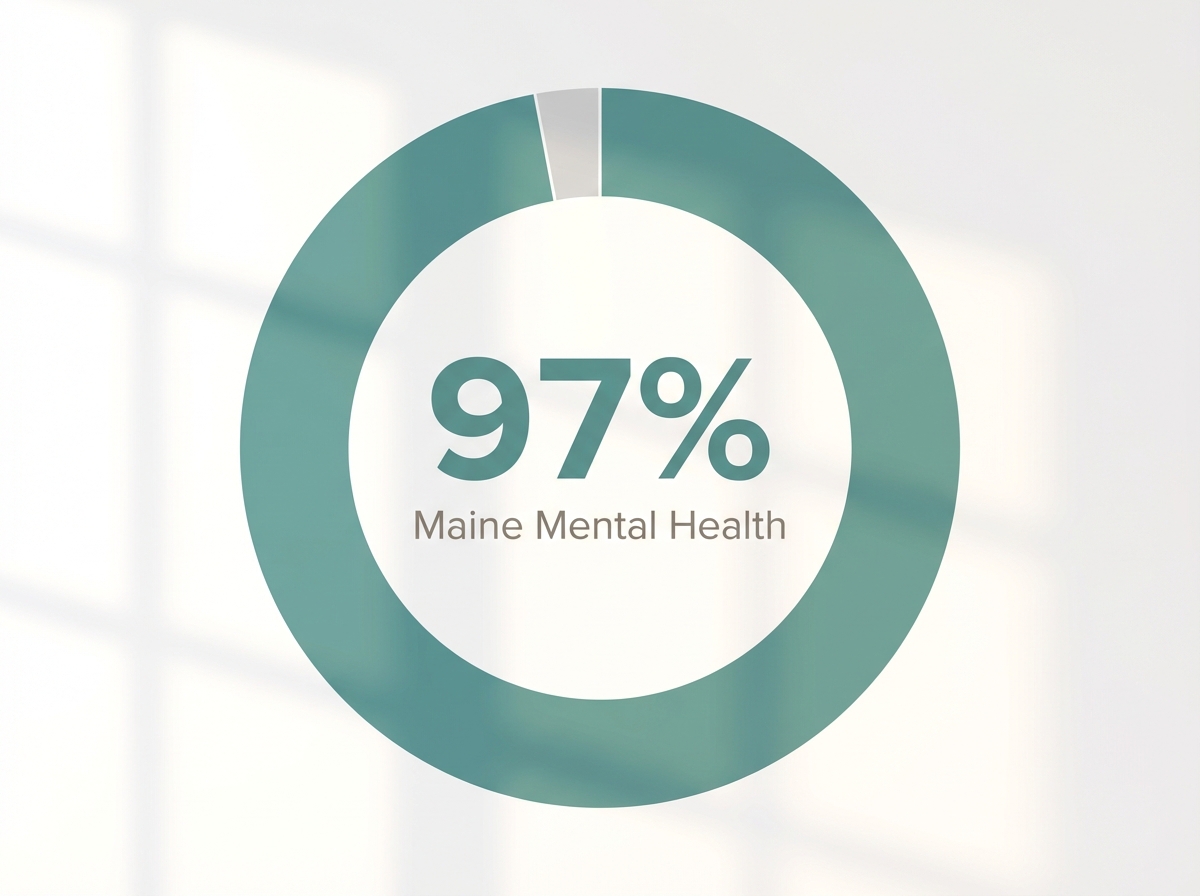
Community-based support services are essential in expanding access to care for Mainers, especially in regions where traditional treatment centers may be limited. In FY 2023, 97% of clients served by Maine's State Mental Health Authority received care in community settings, highlighting the state's commitment to local, accessible services. These supports—ranging from neighborhood counseling centers and mobile outreach teams to peer-led recovery groups—help bridge gaps in rural, Down East, and Western Mountains communities.8
Choosing the Right Trauma-Informed Care Provider
Finding the right therapeutic support starts with understanding what type of care matches individual needs—and ensuring that care is grounded in trauma-informed principles. Maine offers several pathways to treatment, each designed to address different levels of support while honoring the impact that past experiences may have on healing.
Levels of Care and Treatment Settings
Levels of care and treatment settings for trauma-informed care ME in Maine range from flexible outpatient options to more structured intensive programs. Outpatient services—including individual counseling, group therapy, and medication-assisted treatment—are available in communities like Portland, Lewiston-Auburn, and rural Down East, offering Mainers the chance to receive support while maintaining daily routines.
When Outpatient Treatment Is Right
Outpatient care is often the right choice for Mainers who want to maintain daily routines while receiving support for trauma and addiction. This setting works well when symptoms are stable and there is a safe home environment, making it a good fit for many in Portland, Lewiston-Auburn, and rural Down East. Outpatient care allows for flexible scheduling of counseling, medication-assisted treatment, and family-focused services—meeting state standards for safety and collaboration.1
IOP, PHP, and Standard Outpatient Options
Intensive Outpatient Programs (IOP), Partial Hospitalization Programs (PHP), and standard outpatient care each offer Mainers a different level of trauma-informed care ME, tailored to individual recovery needs. IOPs provide structured support with several therapy sessions per week, ideal for those who need more than weekly counseling but do not require overnight care. PHPs are a step up, offering daily therapeutic and medical services while allowing clients to return home in the evenings.
What to Look for in a Provider
When searching for a provider in Maine, focus on those who demonstrate a clear commitment to safety, respect, and collaboration. Look for teams that offer evidence-based therapies, transparent communication, and a welcoming environment—qualities that are especially valued in Maine’s close-knit communities.1
Key Questions About Trauma-Informed Care
When evaluating providers, use this checklist to ensure you receive safe, effective support:
- Training: Is the team trained in trauma-responsive practices and evidence-based therapies like CBT or MAT?
- Environment: How does the provider create a welcoming, culturally sensitive environment?
- Family: Do they involve families or support systems in the recovery process?
- Feedback: How do they gather and use client feedback to continually improve their care?
Finding Compassionate Care in South Portland
Finding compassionate trauma-informed care ME in South Portland means connecting with providers who truly understand the local community and its unique needs. South Portland’s strong network of behavioral health and recovery services is known for welcoming Mainers from all walks of life, offering a range of evidence-based supports like counseling, medication-assisted treatment, and family-centered programs.1
Frequently Asked Questions
Many individuals considering trauma-informed care have similar questions about what to expect. Understanding these aspects helps people make informed decisions about their mental health journey.
How common are co-occurring trauma and addiction issues in Maine?
Co-occurring trauma and addiction issues are especially common in Maine. Around 50% of people seeking substance use treatment in the state also meet the criteria for current PTSD, showing just how closely these challenges are linked for Mainers. This connection means that many individuals experience more intense cravings and a higher risk of relapse if trauma is not addressed alongside addiction. Trauma-informed care ME is designed to meet these overlapping needs, offering integrated counseling, medication-assisted treatment, and family support. The company’s services help Mainers across urban and rural regions receive compassionate, evidence-based care that addresses both trauma and substance use together.5
What should I do if previous treatment didn't address my trauma?
If previous treatment didn’t address your trauma, it’s important to know you’re not alone—many Mainers find that standard care may focus on symptoms without exploring the underlying impacts of trauma. Seeking trauma-informed care ME means looking for providers who prioritize safety, trust, and empowerment from the very first session, using therapies designed to address both trauma and substance use together. Ask about evidence-based approaches like cognitive behavioral therapy, medication-assisted treatment, and family engagement—services the company offers in Portland, Lewiston-Auburn, and via telehealth statewide.5
Are there trauma-informed programs specifically for older adults in Maine?
Yes, there are trauma-informed programs in Maine specifically designed for older adults. Providers recognize that older Mainers often face unique challenges, such as coping with grief, chronic illness, or changes in independence, which can be compounded by a lifetime of trauma. Many agencies—including community mental health centers and statewide networks—offer trauma-informed care ME and counseling tailored to the needs of older adults. These programs may include age-friendly group therapy, individual counseling, and family engagement, available both in-person and via telehealth to increase accessibility.
Do you serve all regions of Maine or just certain areas?
Yes, our trauma-informed care ME services are available across all regions of Maine—from the Portland Metro to Lewiston-Auburn, Bangor, Augusta, and more rural areas like Down East and the Western Mountains. We understand that Mainers face different challenges depending on where they live, so we offer counseling, medication-assisted treatment, and family-focused support both in-person and through telehealth to reach every community. Our team works closely with statewide networks and local partners to ensure you can access trauma-responsive, evidence-based care no matter your location.1
What happens after I complete an outpatient trauma-informed program?
After you complete an outpatient trauma-informed care ME program in Maine, ongoing support remains available to help you maintain your progress and navigate new challenges. Many Mainers continue with step-down counseling, attend peer recovery groups, or access telehealth check-ins to stay connected with trauma-sensitive resources. Engaging in follow-up services—such as medication-assisted treatment and family-focused support—can boost long-term success, especially since research shows that extended engagement leads to better recovery outcomes.7
Does MaineCare cover trauma-informed addiction treatment?
Yes, MaineCare (the state’s Medicaid program) covers trauma-informed addiction treatment, making these essential services more accessible for Mainers statewide. MaineCare includes a broad range of trauma-sensitive options such as counseling, medication-assisted treatment, and family-focused support, with coverage steadily expanding to address both substance use and mental health needs. This means individuals in Portland, Lewiston-Auburn, or rural Down East can receive trauma-informed care me—often with little or no out-of-pocket cost—at approved providers.7,8
Can I receive trauma-informed care while continuing to work?
Yes, you can absolutely receive trauma-informed care ME while continuing to work. Many Mainers benefit from outpatient services, which are designed to fit around work, school, and family commitments. Flexible options like evening appointments, telehealth counseling, and medication-assisted treatment make it possible to get consistent, trauma-sensitive support without leaving your job. The company offers counseling, MAT, and family engagement services that accommodate busy schedules, ensuring you don’t have to choose between recovery and employment.
What if I live in rural Maine and can't easily access treatment centers?
Living in rural Maine can make accessing trauma-informed care ME feel challenging, especially with 82% of rural residents living in counties without local detox services. Thankfully, there are flexible solutions designed for these communities—telehealth counseling, mobile outreach, and community-based support bring trauma-sensitive care closer to home. The company’s offerings include virtual counseling, medication-assisted treatment, and family engagement, all tailored for rural Mainers who may face long travel distances or transportation barriers.10
How do I know if a provider truly practices trauma-informed care?
To know if a provider truly practices trauma-informed care me, start by asking about their training, use of evidence-based therapies, and how they create a safe, welcoming environment. Look for providers who follow Maine DHHS guidelines—such as regular staff training in trauma awareness, organizational self-assessment, and a commitment to safety, trust, and transparency. A genuine trauma-informed approach will include options like counseling, medication-assisted treatment, and family support, all adapted to respect your needs and preferences.1
Is medication-assisted treatment considered trauma-informed?
Yes, medication-assisted treatment (MAT) is considered trauma-informed when it is delivered within an approach that recognizes how trauma shapes a person’s recovery journey. In Maine, MAT is integrated with counseling, peer support, and a focus on safety, empowerment, and collaboration—all core principles of trauma-informed care me. Evidence shows that MAT, using medications like buprenorphine or methadone, can significantly reduce overdose risk and support long-term healing, especially for those with co-occurring trauma and substance use.1
Can family members participate in trauma-informed treatment?
Yes, family members are encouraged to participate in trauma-informed care ME in Maine. Research shows that when significant others are involved in treatment, individuals have better outcomes—such as reduced substance use and stronger family relationships. Providers throughout the state, from Portland to Lewiston-Auburn and rural communities, welcome family participation in counseling sessions, educational workshops, and goal-setting discussions.9
What's the difference between trauma therapy and trauma-informed care?
Trauma therapy and trauma-informed care ME are related but not the same. Trauma therapy refers to specific treatments—like cognitive behavioral therapy or EMDR—focused on helping individuals process and heal from traumatic experiences. Trauma-informed care, on the other hand, is a broader approach used by all staff and services. It means every interaction, from counseling to medication-assisted treatment, is shaped by an understanding of trauma’s impact and a commitment to safety, trust, and empowerment.2,5
How long does trauma-informed addiction treatment typically last?
The length of trauma-informed addiction treatment in Maine varies based on each person’s needs, the severity of trauma, and the presence of co-occurring disorders. Many Mainers participate in outpatient trauma-informed care ME for several months, while some benefit from longer-term support—especially when integrating counseling, medication-assisted treatment, and family involvement. Research suggests that a flexible, individualized timeline—often at least six months for medication-assisted treatment and ongoing therapy—yields the best outcomes.5,7
Conclusion
Choosing the right path for recovery is a significant decision, but you do not have to make it alone. Whether you are in Portland, Bangor, or a rural community, Maine’s network of trauma-informed care ME providers is designed to support you with safety, dignity, and expertise. By understanding the connection between trauma and addiction, and knowing your options for integrated treatment, you can take the next step with confidence.
Remember that recovery is a journey of rebuilding trust—in yourself, in others, and in the process of healing. If you are ready to explore your options, reach out to Coastal Recovery today. We're here to help guide you toward a future defined not by your past, but by your resilience and hope.
References
- State-Level Trauma-Informed Care Initiatives in Maine. https://www.maine.gov/dhhs/mecdc/data-reports/population-health/community-health-needs-assessment
- SAMHSA Definition and Core Principles of Trauma-Informed Care. https://www.samhsa.gov/mental-health/trauma-violence/trauma-informed-approaches-programs
- Barriers and Enablers for Implementing Trauma-Informed Care. https://pubmed.ncbi.nlm.nih.gov/37147695/
- Trauma and Substance Use Disorder Co-Occurrence. https://pmc.ncbi.nlm.nih.gov/articles/PMC11600332/
- Evidence-Based Therapies for Co-Occurring Trauma and Addiction. https://www.ncbi.nlm.nih.gov/books/NBK525683/
- Integrated Treatment for Dual Diagnosis. https://pubmed.ncbi.nlm.nih.gov/30352668/
- Medication-Assisted Treatment (MAT) in Maine Context. https://www.maine.gov/future/sites/maine.gov.corrections/files/inline-files/MAT%20Briefing.pdf
- Mental Health and Substance Use Treatment Statistics. https://www.samhsa.gov/newsroom/press-announcements/20250728/samhsa-releases-annual-national-survey-on-drug-use-and-health
- Family Involvement in Substance Use Disorder Treatment. https://pmc.ncbi.nlm.nih.gov/articles/PMC5781095/
- Rural Substance Use Treatment Barriers. https://pubmed.ncbi.nlm.nih.gov/26184098/