
Inpatient vs. Outpatient Rehab: A Locals Guide

Understanding Treatment Modalities and Outpatient Rehab Sanford ME
When evaluating addiction treatment options, the primary distinction lies between the intensity of supervision and the level of disruption to daily life. For professionals and individuals seeking outpatient rehab Sanford ME options, understanding the clinical nuances between residential stays and outpatient care is essential for making an informed decision. While both modalities aim to achieve long-term sobriety, they differ significantly in structure, cost, and how they integrate with a patient's existing responsibilities.
What Inpatient Treatment Provides
Inpatient treatment, often referred to as residential rehab, is designed for individuals requiring 24-hour medical monitoring and separation from their current environment. This modality is clinically indicated for those with severe substance use disorders, acute withdrawal risks, or complex co-occurring mental health conditions that render independent living unsafe.
A typical inpatient experience involves a complete removal from professional and familial duties. Patients reside at the facility and engage in a rigorous schedule of:
- Medically supervised detoxification.
- Daily individual and group therapy sessions.
- Strict medication management.
- Psychoeducation in a closed environment.
While effective for stabilization, the immersive nature of inpatient care can create a "re-entry shock" when patients return to their daily lives, as they have not yet practiced their sobriety skills in real-world settings.
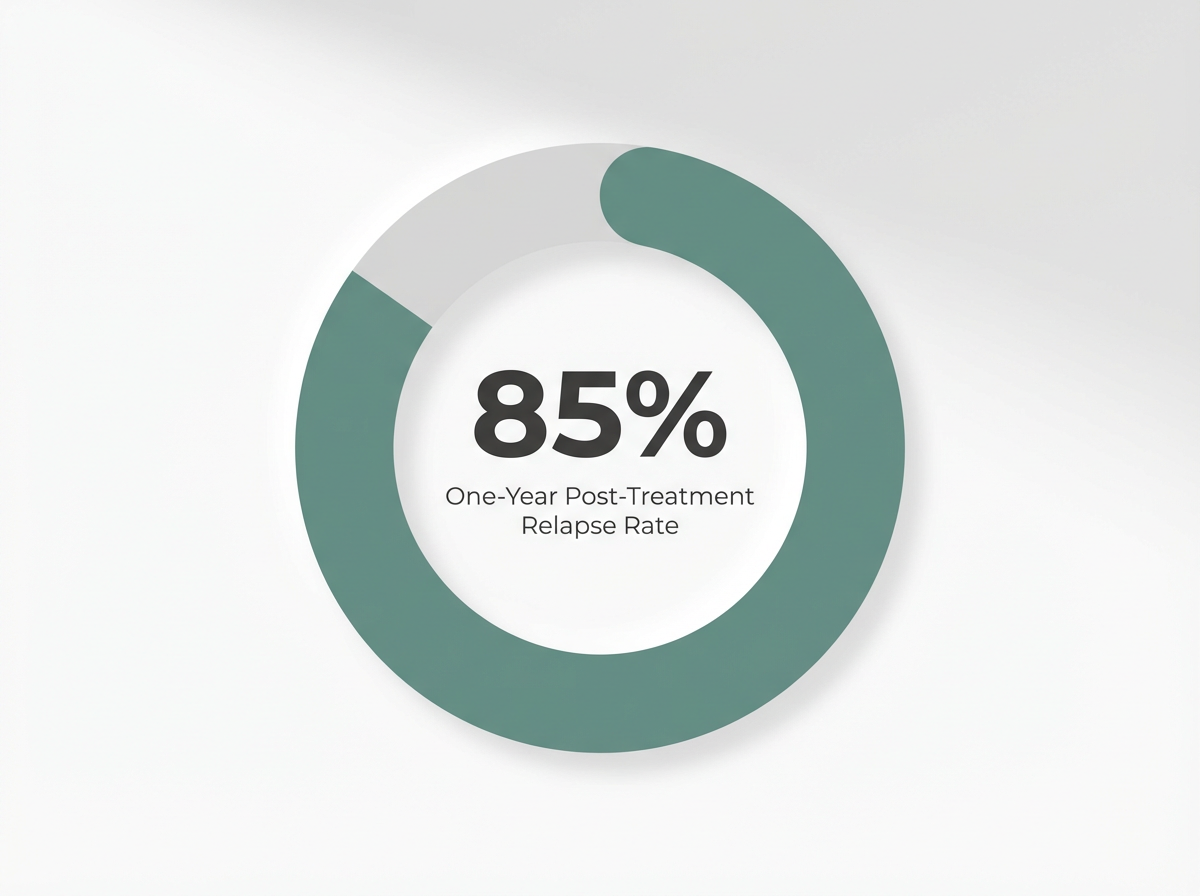
"The primary advantage of inpatient care is the highly structured, controlled environment, which helps minimize exposure to relapse triggers and provides immediate support for withdrawal or psychiatric crises."1
How Outpatient Programs Function
Outpatient programs, such as those offered by Coastal Recovery Partners, provide a robust clinical framework that allows individuals to remain in their homes and jobs. These programs—specifically Intensive Outpatient Programs (IOP) and Partial Hospitalization Programs (PHP)—deliver high-frequency therapeutic contact without the need for residential admission. This model is particularly effective for those in the Sanford, ME area who require flexibility.
At Coastal Recovery Partners, the outpatient model is built on evidence-based interventions delivered through flexible morning, afternoon, or evening sessions. Key components include:
- Trauma-Informed Care: Addressing underlying drivers of addiction safely.
- Medication-Assisted Treatment (MAT): Combining FDA-approved medications with counseling.
- Advanced Therapies: Utilizing Cognitive Behavioral Therapy (CBT) and Dialectical Behavior Therapy (DBT).
- Real-World Application: Patients practice coping skills immediately in their home and work environments.
This approach supports sustained behavioral change by integrating recovery into everyday life, making it a practical option for professionals balancing recovery with life commitments.1,2

Clinical Effectiveness: Data vs. Assumptions
The conversation around clinical outcomes has evolved significantly. Colleagues across the field now recognize that treatment intensity should match clinical need rather than adhering to the assumption that "real" recovery only happens in a residential bed. Data consistently shows that for moderate to severe substance use disorders, well-structured outpatient settings achieve outcomes comparable to inpatient care when the right supports are in place.
There is a misconception that removing someone from their environment guarantees better results. However, outpatient programs that incorporate trauma-informed care and dual diagnosis treatment allow people to practice recovery skills in the contexts where they will actually use them. Coastal Recovery Partners structures their protocols to help clients build emotional regulation strategies they can apply immediately at work or home.
Regarding dual diagnosis, continuity is paramount. Outpatient models often excel here by maintaining existing therapeutic relationships and medication management that might be interrupted by a residential stay. With Clinical Director Spencer Josey overseeing therapeutic interventions, Coastal Recovery Partners ensures that mental health care is coordinated alongside addiction treatment, supporting long-term stability without disrupting the patient's support system.
Key Decision Factors for Outpatient Rehab Sanford ME
Medical Acuity and Safety Considerations
Assessing the appropriate treatment setting begins with a rigorous evaluation of medical acuity. Inpatient rehabilitation is the requisite choice for individuals with acute withdrawal symptoms (such as delirium tremens) or unstable psychiatric conditions requiring 24/7 containment. It is also the safest option for those lacking a stable home environment.
Conversely, outpatient rehab is indicated for individuals whose medical and psychiatric conditions are stable enough to be managed without continuous supervision. For those seeking outpatient rehab Sanford ME solutions, Coastal Recovery Partners offers a safe environment to receive MAT and evidence-based therapies while living at home. This model relies on the patient having a reliable support system and the ability to refrain from use between sessions.1
Life Responsibilities and Scheduling
For many professionals, the decision hinges on the ability to maintain employment and family roles. Inpatient programs necessitate a complete withdrawal from these duties, often requiring FMLA leave or significant career pauses. This disruption can sometimes act as a barrier to entry for those who cannot afford to step away.
Outpatient care is designed to bridge this gap. By offering morning, afternoon, and evening tracks, facilities like Coastal Recovery Partners allow patients to continue working and fulfilling family obligations. Research highlights that integrating treatment with daily life can actually improve long-term retention, as the patient does not have to choose between their livelihood and their recovery.2,6
Cost, Access, and Long-Term Retention
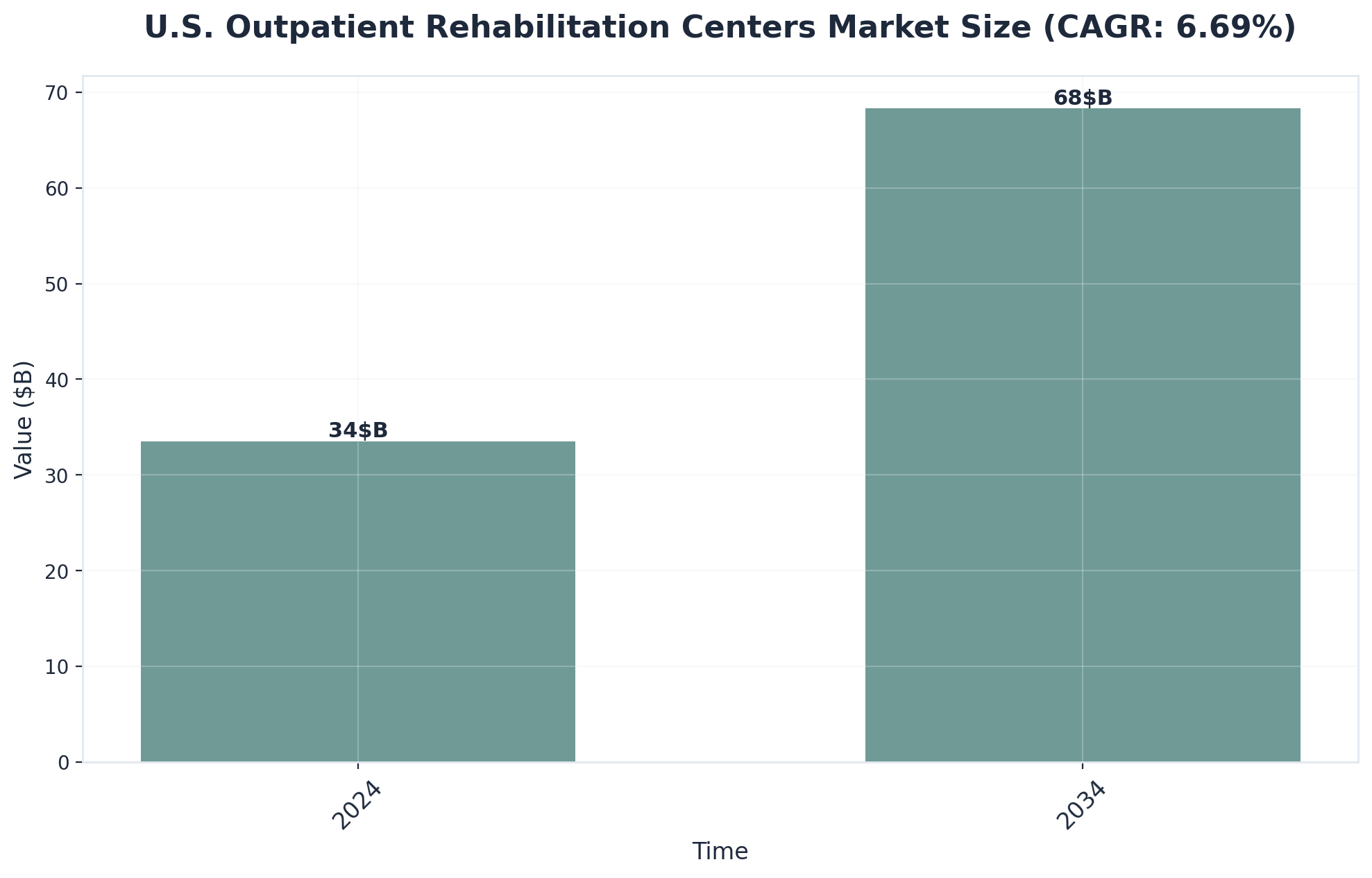
Beyond clinical fit, the practicalities of cost and accessibility often dictate the feasibility of treatment. Inpatient programs require substantial financial investment and indirect costs associated with lost income. For many, these barriers delay necessary care.
Outpatient treatment offers a sustainable alternative. Programs like IOP and PHP are generally more affordable and are widely covered by insurance plans due to their proven efficacy. Furthermore, the ability to maintain employment during treatment preserves financial stability, reducing the stress that often contributes to relapse. Coastal Recovery Partners, located in South Portland, serves the broader Southern Maine region, eliminating the need for costly travel to distant residential facilities.
Long-term retention is another critical metric. Evidence suggests that individuals who maintain their daily routines during treatment often demonstrate higher engagement rates. The immediate application of skills—such as using grounding techniques during a stressful workday—creates a feedback loop of success that residential settings cannot replicate until discharge. By integrating comprehensive services like MAT and relapse prevention therapy into a flexible schedule, outpatient care supports both immediate recovery and long-term professional growth.
Choosing the Right Path in Southern Maine
Navigating treatment options requires looking beyond program labels to actual clinical fit. The choice between inpatient and outpatient care isn't about which is "better," but which aligns with specific circumstances. For a professional with a stable home life and a demanding career, residential placement might disrupt the very support systems that strengthen recovery. Conversely, outpatient treatment allows this person to apply recovery skills in real time.
In Southern Maine, Coastal Recovery Partners demonstrates how outpatient care can deliver clinical rigor without residential placement. Their continuum moves seamlessly from Partial Hospitalization (PHP) through Intensive Outpatient (IOP) to standard Outpatient care. This progression happens within one coordinated system in South Portland, ensuring consistent clinical teams understand the individual's full history.
For professionals evaluating treatment options, the takeaway is straightforward: successful outcomes depend on appropriate intensity and therapeutic quality. With evidence-based approaches like CBT, DBT, and motivational interviewing, Coastal Recovery Partners offers a clinically appropriate choice that builds recovery within real life rather than apart from it.
Remember that recovery is a journey of rebuilding trust—in yourself, in others, and in the process of healing. If you are ready to explore your options, reach out to Coastal Recovery today. We're here to help guide you toward a future defined not by your past, but by your resilience and hope.
Recovery Starts With a Conversation
Whether you’re exploring recovery for yourself or seeking guidance for someone you care about, Coastal Recovery Partners is here to help. Our team offers trauma-informed, evidence-based support grounded in structure, compassion, and real connection—without pressure or judgment.
When you’re ready, we’ll meet you where you are and help you take the next step forward.

Frequently Asked Questions
Can someone transition from inpatient to outpatient care mid-treatment?
Yes, transitioning from inpatient to outpatient care mid-treatment is a common and clinically supported approach. This process, often called "step-down care," allows individuals to move from a highly structured residential setting to a more flexible outpatient rehab Sanford ME program as their stability and recovery progress improve. Research indicates that step-down transitions help maintain treatment gains while supporting real-world skill application and community reintegration. Coordination between care teams is essential to ensure continuity, appropriate support, and ongoing monitoring. This approach is especially beneficial for professionals and individuals needing to resume work or family roles while still receiving structured support.10
How does medication-assisted treatment work within outpatient programs?
Medication-assisted treatment (MAT) in outpatient rehab Sanford ME involves combining FDA-approved medications, like buprenorphine or methadone, with structured counseling and behavioral therapies. Patients receive medications under medical supervision, helping to manage cravings and reduce withdrawal symptoms while they continue daily life and work commitments. Regular check-ins, therapy sessions, and medication management ensure safe and effective care. Research shows that MAT in outpatient settings reduces overdose risk by 76% at three months and 59% at twelve months compared to no treatment, highlighting its critical role in supporting long-term recovery and community reintegration.3
What happens if someone relapses during outpatient treatment?
If someone relapses during outpatient rehab Sanford ME, the response is rooted in support and clinical best practices, not punishment. Relapse is common—estimated between 40% and 60% for substance use disorders—and reflects the chronic nature of addiction rather than treatment failure. When relapse occurs, care teams typically reassess the individual’s needs, adjust the treatment plan, and may increase session frequency or add medication-assisted treatment. Sometimes, a higher level of care—such as temporary inpatient support—may be recommended if safety or stability is a concern. Ongoing engagement, aftercare, and alumni programs play a vital role in reducing repeat relapses and supporting long-term recovery.5,8
How do dual diagnosis cases influence the choice between inpatient and outpatient care?
Dual diagnosis—when someone experiences both a substance use disorder and a mental health condition—can significantly affect the decision between inpatient and outpatient care. Inpatient treatment is often preferred for dual diagnosis cases that involve acute psychiatric symptoms, safety concerns, or unstable living situations, as it provides 24/7 supervision and immediate crisis support. Outpatient rehab Sanford ME is suitable for individuals whose mental health symptoms are stable and who have reliable support systems at home. Both settings offer integrated therapies for co-occurring disorders, but the choice relies on clinical stability and safety needs.1
What role does insurance play in determining treatment modality options?
Insurance plays a crucial role in shaping access to both inpatient and outpatient rehab options. Coverage policies often determine which treatment modalities are affordable and available to individuals seeking help. Recent mental health parity laws have expanded insurance coverage for substance use disorder treatment, making outpatient rehab Sanford ME more accessible to those balancing work and family responsibilities. Inpatient care may be limited to situations involving acute medical or psychiatric needs, with preauthorization and medical necessity reviews frequently required. Ultimately, insurance can influence not just the type of care received, but also the duration, provider network, and level of ongoing support.7
How long should someone expect to remain in outpatient treatment for optimal outcomes?
The recommended duration for outpatient rehab Sanford ME varies based on individual progress, but research indicates that longer engagement leads to better outcomes. Many outpatient programs are structured for at least 90 days, with some extending to six months or more. Recent studies of medication-assisted treatment show median engagement durations of 38 to 86 days, though experts stress that remaining in care for a minimum of three months is strongly associated with reduced relapse and improved long-term recovery. Ongoing aftercare, alumni support, and periodic check-ins can further enhance results, especially for professionals balancing recovery with daily responsibilities.9
References
- Treatment Programs for Substance Use Disorder. https://www.ncbi.nlm.nih.gov/books/NBK541324/
- Mental health care (intensive outpatient program services). https://www.medicare.gov/coverage/mental-health-care-intensive-outpatient-program-services
- Effects of Medication-Assisted Treatment (MAT) for Opioid Use Disorder. https://www.ncbi.nlm.nih.gov/pmc/articles/PMC7489531/
- Dialectical Behavior Therapy for Substance Use Disorders. https://behavioraltech.org/resources/faqs/dialectical-behavior-therapy-dbt-for-substance-use-disorders/
- Addiction Relapse Prevention. https://www.ncbi.nlm.nih.gov/books/NBK551500/
- Retention in treatment and therapeutic adherence. https://www.ncbi.nlm.nih.gov/pmc/articles/PMC4784013/
- The Mental Health Parity and Addiction Equity Act (MHPAEA). https://www.cms.gov/marketplace/about/regulation/mental-health-parity
- Why Alumni Support For Addiction Recovery Boosts Your Success. https://www.70x7.org/addiction-recovery-alumni-support
- Duration of Methadone and Buprenorphine-Naloxone Treatment for Opioid Use Disorder Among US Patients. https://jamanetwork.com/journals/jamanetworkopen/fullarticle/2813589
- Step-Down Care: Transitioning from Inpatient to Outpatient Treatment. https://www.ncbi.nlm.nih.gov/pmc/articles/PMC5047690/