
Your Guide to Navigating Outpatient Treatment

Understanding Outpatient Treatment Near Portland ME and the Care Continuum
Levels of Care: PHP, IOP, and OP Defined
What You’ll Learn: This section clarifies the distinctions between Partial Hospitalization Programs (PHP), Intensive Outpatient Programs (IOP), and standard Outpatient Programs (OP) within the outpatient care spectrum. By the end, you’ll be able to identify which level aligns with various clinical and lifestyle needs—a critical step for anyone navigating outpatient treatment near Portland ME.
Navigating the acronyms of recovery is the first step toward making an informed decision. The following comparison breaks down the intensity and structure of each level to help you evaluate the best fit for your professional and personal life.
Practice This: Create a flowchart mapping patient needs to each level—consider factors like support systems, work commitments, and symptom severity.
Skill Checkpoint: You’re ready for the next level when you can confidently distinguish PHP, IOP, and OP based on both clinical intensity and scheduling demands.
Both business leaders and individuals benefit from understanding how the outpatient care continuum supports different recovery and work-life needs. Next, we’ll explore how evidence-based placement ensures the right fit for every stage.
Evidence-Based Placement Using ASAM Criteria
What You’ll Learn: This section explores how evidence-based placement decisions are made using the American Society of Addiction Medicine (ASAM) Criteria. You’ll understand how this framework ensures that individuals are matched to the appropriate outpatient treatment level, balancing clinical effectiveness with life and work commitments. By the end, you’ll recognize the role of multidimensional assessment in driving successful outcomes for outpatient treatment near Portland ME.
Imagine the ASAM Criteria as a detailed map, guiding patients and clinicians through six key dimensions. This approach moves beyond intuition, replacing guesswork with a structured, standardized evaluation.
- Acute Intoxication/Withdrawal Potential: Assessing the need for medical management.
- Biomedical Conditions: Evaluating physical health needs.
- Emotional, Behavioral, or Cognitive Conditions: Identifying co-occurring mental health issues.
- Readiness to Change: Gauging motivation and commitment.
- Relapse, Continued Use, or Continued Problem Potential: Analyzing risk factors.
- Recovery/Living Environment: Assessing the stability of home and social circles.
"For example, someone with complex medical needs or unstable housing may benefit from more intensive programming, while those with strong support systems might succeed in less structured care."11
Practice This: Create a mock assessment using the six ASAM dimensions for a hypothetical patient. Identify which level of care best fits their needs, considering factors such as emotional stability, daily stressors, and workplace obligations.
Skill Checkpoint: You’re ready for the next level when you can explain how each ASAM dimension influences placement in outpatient services and justify a care recommendation based on assessment findings.
For both business and personal tracks, mastering ASAM-based placement helps ensure that outpatient treatment is effective, efficient, and tailored to every stage of recovery. Next, we’ll look at the core therapies that drive progress in these programs.
Core Therapeutic Modalities in Outpatient Treatment Near Portland ME
CBT, DBT, and Motivational Interviewing
What You’ll Learn: This section explains how Cognitive Behavioral Therapy (CBT), Dialectical Behavioral Therapy (DBT), and Motivational Interviewing serve as foundational therapies in outpatient treatment near Portland ME. By the end, you’ll be able to identify the unique strengths of each approach and recognize when and why they’re applied across business-focused or personal recovery settings.
Coastal Recovery Partners utilizes these evidence-based modalities to ensure comprehensive care:4,8
- Cognitive Behavioral Therapy (CBT): Think of CBT as a toolkit for identifying and challenging patterns of thought that drive substance use. CBT teaches practical skills for reframing negative thinking and managing triggers. Notably, about 58% of patients in outpatient programs who receive CBT fare better than those who do not.
- Dialectical Behavioral Therapy (DBT): DBT builds on CBT’s structure but emphasizes emotional regulation and distress tolerance. Imagine DBT as a set of navigation tools for intense emotions—helping individuals maintain stability when feeling overwhelmed.
- Motivational Interviewing (MI): MI is a collaborative, conversational approach that supports individuals at any stage of readiness. Rather than confronting resistance, MI acts like a gentle guide, helping people explore their own motivations and resolve ambivalence about change. Systematic reviews show MI can effectively reduce substance use over time.
Practice This: Create a simple table matching common outpatient scenarios (e.g., managing cravings, handling workplace stress, or coping with difficult emotions) to the modality most likely to help in each case.
Skill Checkpoint: You’re ready for the next level when you can explain the core purpose of CBT, DBT, and Motivational Interviewing, and recommend which to use for a given scenario.
Both business and personal tracks benefit from understanding these evidence-based therapies, which form the backbone of modern outpatient care. Next, we’ll explore how medication-assisted treatment integrates with these modalities to further support recovery.
Medication-Assisted Treatment Integration
What You’ll Learn: This section covers how Medication-Assisted Treatment (MAT) is integrated into the fabric of modern outpatient treatment near Portland ME, enhancing recovery outcomes for opioid and alcohol use disorders. By the end, you’ll understand when and how MAT combines with behavioral therapies and how this synergy supports both clinical effectiveness and daily life commitments.
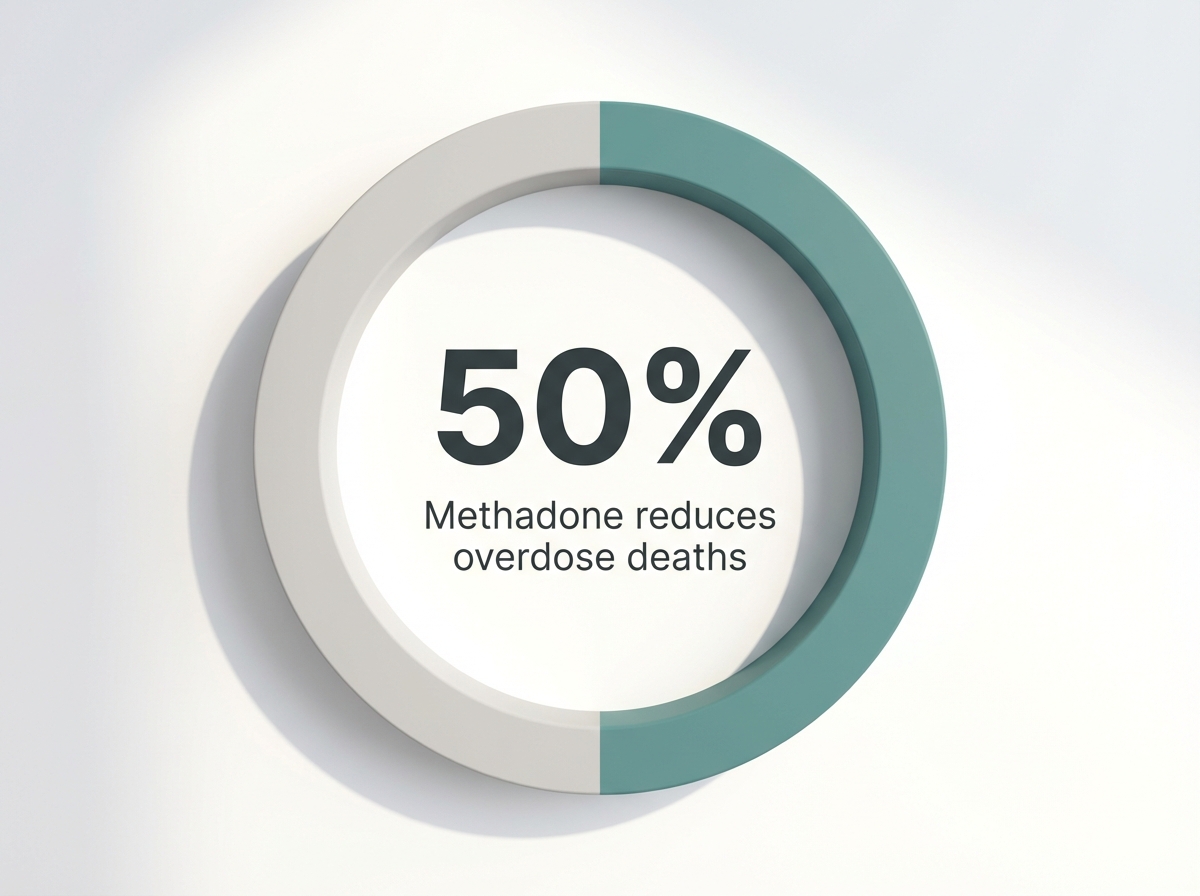
Picture MAT as a stabilizing anchor in the recovery journey. FDA-approved medications—methadone, buprenorphine, and naltrexone—each play a different role. MAT is not a stand-alone solution; it’s most effective when paired with evidence-based therapies like CBT or Motivational Interviewing, addressing both the biological and behavioral sides of addiction.
Practice This: Create a two-column chart that lists MAT medications on one side and their main benefits and risks on the other. Include considerations such as risk of dropout and overdose reduction.
Skill Checkpoint: You’re ready for the next level when you can explain why combining MAT with therapy is more effective than using medication or counseling alone, and can outline the key advantages and limitations of each medication in outpatient settings.
Business Application: Integrated MAT programs can improve workforce stability, reduce health-related absenteeism, and support long-term recovery for professionals. Personal Use: Individuals benefit from flexible, coordinated care that fits work and family obligations.
Recovery Starts With a Conversation
Whether you’re exploring recovery for yourself or seeking guidance for someone you care about, Coastal Recovery Partners is here to help. Our team offers trauma-informed, evidence-based support grounded in structure, compassion, and real connection—without pressure or judgment.
When you’re ready, we’ll meet you where you are and help you take the next step forward.
Integrated Dual Diagnosis Treatment Models
For professionals navigating recovery while maintaining their careers, co-occurring mental health and substance use disorders present a particularly complex challenge. The same conditions that drive someone toward substance use—depression, anxiety, PTSD, or bipolar disorder—don't pause for work responsibilities or professional obligations.
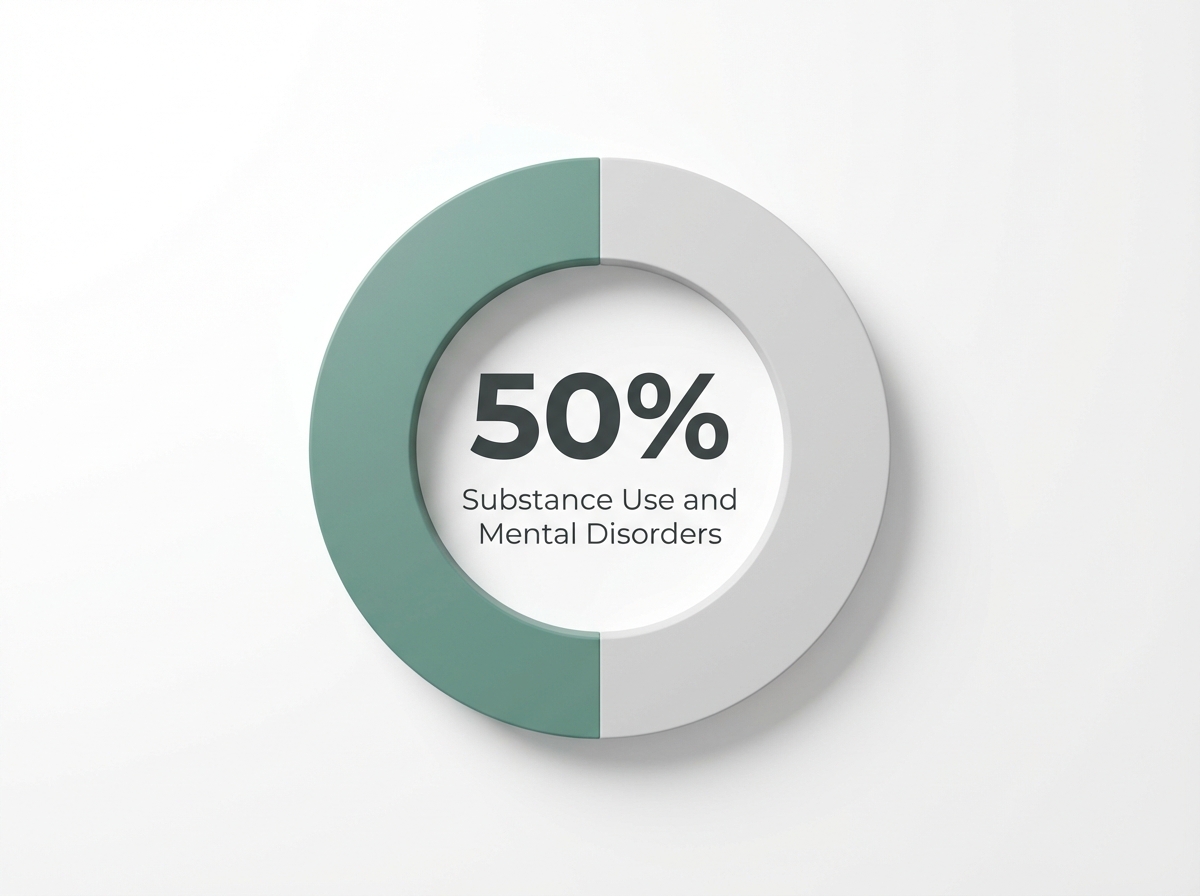
When approximately half of individuals with substance use disorders also experience mental health conditions, the question becomes how to address both dimensions without stepping away from the career they've worked so hard to build. Integrated dual diagnosis treatment models offer a path forward, addressing substance use and mental health conditions simultaneously rather than forcing individuals to choose which crisis to tackle first.
The interconnected nature of these conditions means that treating them in isolation often leaves professionals caught in the same cycle. When depression fuels alcohol use as a way to cope with work stress, or when stimulant use intensifies anxiety about performance, addressing only one condition leaves the underlying pattern intact. Integrated treatment recognizes these relationships, providing coordinated care that adjusts as changes in one area affect the other—a practical necessity for someone who needs to remain functional in their professional role while working toward recovery.
Evidence-based therapies within integrated models address both conditions through approaches that fit into structured lives:
- Cognitive Behavioral Therapy helps individuals recognize thought patterns contributing to mental health symptoms and substance use.
- Dialectical Behavioral Therapy builds skills for emotional regulation—particularly valuable when managing workplace pressures without turning to substances.
- Motivational Interviewing addresses the ambivalence many professionals feel about change.
- Trauma-Informed Approaches recognize how unresolved experiences often underlie both addiction and psychiatric symptoms that manifest in professional settings.
Medication-assisted treatment often plays a critical role, particularly when psychiatric medications and addiction medications require careful coordination. For professionals managing recovery alongside demanding careers, this medical oversight ensures that medications support rather than complicate daily functioning, with monitoring that accounts for both recovery progress and professional responsibilities.
"What professionals need from integrated dual diagnosis care is comprehensive treatment that doesn't require abandoning their careers—coordinated medical and therapeutic support delivered on a schedule that accommodates work commitments."
Coastal Recovery Partners structures their Intensive Outpatient, Partial Hospitalization, and standard Outpatient programs around this reality, combining evidence-based therapies with coordinated medication-assisted treatment under medical supervision. Their trauma-informed care model addresses underlying experiences connecting mental health and substance use disorders, while morning, afternoon, and evening sessions allow individuals to receive comprehensive dual diagnosis treatment without stepping away from professional responsibilities—recognizing that recovery and career don't have to be mutually exclusive pursuits.

Building Sustainable Recovery Infrastructure
Relapse Prevention as a Learnable Skill
What You’ll Learn: This section shows why relapse prevention is not just a concept but a practical, learnable skill for anyone engaged in outpatient treatment near Portland ME. By the end, you’ll know how to break relapse into manageable steps and apply proven strategies to maintain progress—whether your focus is supporting professionals or managing your own recovery.
Think of relapse prevention as a toolkit—each tool prepares you for a specific scenario. Standard relapse prevention (RP) and mindfulness-based relapse prevention (MBRP) help individuals identify high-risk situations, understand their personal warning signs, and practice new responses. Research confirms RP works as well as other active treatments, and adding mindfulness can make it even more helpful for managing cravings and emotional triggers.9
In practice, this means learning to spot triggers early (like work stress or social pressure), reframing negative thoughts, and having a response plan ready.
Practice This: Create a worksheet listing your top three high-risk situations, warning signs, and one coping strategy for each. Review and update it weekly.
Skill Checkpoint: You’re ready for the next level when you can describe a recent high-risk moment and the specific relapse prevention skills you used to stay on track.
Next, we’ll look at how mutual support systems and community resources extend this foundation for lasting recovery.
Mutual Support and Community Integration
What You’ll Learn: This section explores how mutual support networks and community integration reinforce recovery for those participating in outpatient treatment near Portland ME. By the end, you’ll understand the role of peer-led groups, community resources, and how both business and personal tracks benefit from active involvement outside formal treatment.
Imagine mutual support as a safety net—one that extends beyond clinical care and weaves together shared experiences, encouragement, and accountability. Peer-led groups, such as 12-step programs or secular alternatives, offer a nonjudgmental space where individuals can give and receive support tailored to their recovery values.
Research shows that people who choose groups aligning with their needs—rather than those assigned by mandate—experience greater benefits in sustained recovery and well-being. Active community integration can also involve volunteering, participating in advocacy, or engaging with alumni networks, all of which foster a sense of purpose and belonging.10
Practice This: Identify a local or virtual mutual-help group that resonates with your goals. Attend at least two meetings, and reflect on how group dynamics and shared experiences support your recovery or professional growth.
Skill Checkpoint: You’re ready for the next level when you can articulate how participation in mutual support or community initiatives has strengthened your commitment to recovery and resilience.
Next, we’ll address common questions about accessing, structuring, and maximizing the value of outpatient programs.

Frequently Asked Questions
How does insurance coverage work for different outpatient treatment levels?
Insurance coverage for outpatient treatment near Portland ME varies by provider, plan, and the specific level of care—Partial Hospitalization (PHP), Intensive Outpatient (IOP), or standard Outpatient (OP). Most commercial insurers and Medicaid will cover medically necessary services at each level, but requirements such as prior authorization, physician oversight, and documented clinical need often apply. Recent Medicare policy changes now include IOP coverage, reflecting the recognition of its clinical value and cost-effectiveness. It’s important to review plan details and engage with care coordinators or billing specialists to clarify eligibility, out-of-pocket expenses, and documentation needed for each treatment stage.2
Can outpatient treatment accommodate professional work schedules?
Yes, outpatient treatment near Portland ME is specifically designed to accommodate professional work schedules. Many programs offer flexible options, including morning, afternoon, and evening sessions, as well as telehealth for remote participation. This flexibility allows individuals to attend therapy and group sessions outside of typical work hours, minimizing disruption to career and family responsibilities. Research highlights a growing trend toward adaptable scheduling and hybrid care models, improving both access and retention for working professionals. For those balancing demanding jobs, these features make outpatient care a sustainable choice for ongoing recovery.12
What happens if someone needs to transition between treatment levels?
Transitions between outpatient treatment levels—such as moving from a Partial Hospitalization Program (PHP) to Intensive Outpatient (IOP), or from IOP to standard outpatient care—are usually guided by ongoing clinical assessment and the patient’s evolving needs. Programs use evidence-based tools, like the ASAM Criteria, to regularly reassess progress and determine if more structure or increased independence is appropriate. This approach ensures smooth step-up or step-down transitions without disrupting work or personal life, especially for those seeking outpatient treatment near Portland ME. Strong care coordination and individualized planning help maintain continuity, safety, and engagement throughout these changes.1,11
How do programs address co-occurring disorders without fragmenting care?
Programs address co-occurring disorders in outpatient treatment near Portland ME by using integrated care models—meaning both substance use and mental health needs are treated together by one team, not in silos. This unified approach avoids care fragmentation, leading to better outcomes such as reduced substance use, improved psychiatric symptoms, and greater stability at work and home. Evidence-based therapies like CBT and DBT are adapted to address both sets of symptoms, and medication management is coordinated within the same plan. Consistent communication, cross-trained clinicians, and shared treatment goals ensure all aspects of recovery are supported collaboratively.3,7
What role does family involvement play in outpatient recovery programs?
Family involvement plays a vital role in outpatient recovery programs near Portland ME by enhancing support, accountability, and communication throughout the treatment process. Engaging family members in therapy sessions or education groups can help address relationship dynamics, reduce misunderstandings, and create a unified approach to recovery. Research shows that when families participate actively, individuals experience higher treatment retention and improved outcomes, including reduced substance use and increased emotional stability. For working professionals, family engagement can also ease the integration of treatment schedules with home responsibilities. Outpatient programs often offer flexible opportunities for family participation, supporting both business and personal recovery goals.3
How are treatment outcomes measured and tracked throughout the program?
Treatment outcomes in outpatient treatment near Portland ME are measured using a combination of standardized assessments, patient self-reports, and clinical observations. Programs typically track progress through regular use of validated tools—such as symptom rating scales and substance use checklists—administered at intake, mid-treatment, and discharge. These metrics evaluate changes in substance use, mental health symptoms, work functioning, and quality of life. Ongoing feedback is shared with individuals to help them visualize progress and adjust goals as needed. This data-driven approach supports both clinical effectiveness and accountability, ensuring treatment remains responsive to evolving needs.5
Conclusion
For many professionals, the hardest step isn't admitting a problem exists—it's recognizing when career success and daily functioning have become elaborate mechanisms for avoiding deeper struggles. The very competencies that drive professional achievement can mask the interplay between substance use and underlying mental health conditions, sometimes for years. Integrated dual diagnosis treatment offers something beyond symptom management: it provides the framework to understand how these conditions reinforce each other and the clinical depth to address both simultaneously. This level of honesty and comprehensive care requires courage, particularly for those accustomed to being the expert, the problem-solver, the one others depend on.
Recovery doesn't require choosing between professional life and wellness. Coastal Recovery Partners offers integrated dual diagnosis care through flexible Intensive Outpatient, Partial Hospitalization, and standard Outpatient programs designed specifically for individuals maintaining work and life commitments. Their trauma-informed approach combines evidence-based therapies with medication-assisted treatment when appropriate, delivered through morning, afternoon, and evening sessions that adapt to demanding schedules rather than requiring life to pause.
The path forward begins with recognizing that seeking comprehensive treatment isn't an admission of failure—it's an investment in sustainable success. Recovery and professional life aren't opposing forces; with the right support, they strengthen each other. The question isn't whether integrated care is necessary, but whether the time to begin is now.
Remember that recovery is a journey of rebuilding trust—in yourself, in others, and in the process of healing. If you are ready to explore your options, reach out to Coastal Recovery today. We're here to help guide you toward a future defined not by your past, but by your resilience and hope.
References
- Substance Abuse Treatment Programs. Chapter 5—Specialized Substance Abuse Treatment Programs. https://www.ncbi.nlm.nih.gov/books/NBK64299/
- Billing Requirements for Intensive Outpatient Program Services with New Condition Code 92. https://www.cms.gov/files/document/mm13496-billing-requirements-intensive-outpatient-program-services-new-condition-code-92.pdf
- Behavioral Therapies for Co-occurring Substance Use and Mood Disorders. https://www.ncbi.nlm.nih.gov/pmc/articles/PMC3089851/
- Cognitive Behavioral Interventions for Alcohol and Drug Use Disorders. https://www.ncbi.nlm.nih.gov/pmc/articles/PMC2897895/
- Substance Abuse Treatment Planning. https://www.ncbi.nlm.nih.gov/books/NBK64658/
- Medication-Assisted Treatment (MAT) for Opioid Use Disorder. https://www.naco.org/resources/medication-assisted-treatment-mat-opioid-use-disorder
- Dual Diagnosis (Co-Occurring Disorders). https://my.clevelandclinic.org/health/diseases/22773-dual-diagnosis
- Motivational interviewing for substance use reduction. https://pubmed.ncbi.nlm.nih.gov/37991316/
- Relapse Prevention (RP) and Mindfulness-Based Relapse Prevention (MBRP). https://www.recoveryanswers.org/research-post/relapse-prevention-rp-and-mindfulness-based-relapse-prevention-mbrp/
- Recovery-Oriented Mutual Self-Help Groups. https://www.va.gov/WHOLEHEALTHLIBRARY/tools/recovery-oriented-mutual-self-help-groups.asp
- About The ASAM Criteria. https://www.asam.org/asam-criteria/about
- Clinical Issues in Intensive Outpatient Treatment for Substance Use Disorders. https://store.samhsa.gov/product/tip-47-clinical-issues-intensive-outpatient-treatment-substance-use-disorders/PEP20-02-01-017