
Building a Substance Abuse Treatment Plan

Understanding Your Substance Abuse Treatment Plan Foundation
A well-structured substance abuse treatment plan serves as the blueprint for recovery, outlining the specific steps and strategies tailored to your individual needs. This foundation isn't a one-size-fits-all document; rather, it is a personalized guide that evolves alongside your progress and changing circumstances. Understanding what goes into this foundation helps you feel more confident and engaged in your healing journey.
At its core, a treatment plan foundation begins with a comprehensive assessment. This evaluation examines physical health, emotional well-being, lifestyle factors, and personal goals. Healthcare providers gather information about symptoms, medical history, support systems, and any barriers that might affect recovery. This thorough understanding ensures that recommendations align with real-world circumstances and your individual capabilities.
"The goal is to create trust and ensure your voice guides the plan, not just clinical opinions. This approach suits anyone seeking a sense of partnership in their recovery journey."
Professional guidance plays a vital role in helping you understand and build this foundation effectively. Experienced providers work collaboratively to create balanced plans that address immediate concerns while building enduring resilience. They help clarify which components are most relevant, explain how different elements work together, and support you in making informed decisions about your care.
What Makes a Treatment Plan Effective
An effective substance abuse treatment plan uses a team-based approach and adapts to your needs over time. A simple checklist can help you spot key features:
- Are your goals clear and measurable?
- Is the plan flexible enough to support changes as you progress?
- Does it combine therapy, medication, and relapse prevention strategies?
The best plans address both addiction and any mental health needs, since about 50% of individuals with substance use challenges also have co-occurring mental health conditions. This approach is ideal for anyone seeking lasting recovery, as it ensures you receive ongoing support and a truly personalized path. Our services bring this philosophy to life, helping you build confidence and resilience through every stage of care.9
The Collaborative Assessment Process
A collaborative assessment is the first essential tool in shaping a substance abuse treatment plan. This process involves you and your care team working together to share your history, discuss your strengths, and identify your challenges. During your initial meetings, you’ll be asked supportive questions about your substance use, mental health, and daily routines.9
Research shows that treatment plans built through collaboration are more likely to address both addiction and co-occurring conditions. Our team’s welcoming, community-focused services make this process feel approachable and empowering. You’ll see how this foundation makes it easier to personalize every aspect of care moving forward.
Biopsychosocial Evaluation Components
A biopsychosocial evaluation is a practical tool that covers three core areas to ensure your plan is holistic:
- Biological: Your physical health, medical history, and genetic factors.
- Psychological: Your thoughts, feelings, mental health history, and emotional regulation.
- Social: Your relationships, living situation, employment, and support network.
By exploring each area, your care team can create a substance abuse treatment plan that truly reflects your unique strengths and needs. Our services include detailed, compassionate assessments that make it easier to discuss sensitive topics in a safe, supportive setting.
Self-Assessment: Is Treatment Right Now?
A simple self-assessment checklist can help you decide if now is the right time to consider a substance abuse treatment plan. Ask yourself:
- Am I struggling to manage daily responsibilities?
- Have my relationships or work been affected by substance use?
- Do I feel unable to cut back, even if I want to?
Recognizing these patterns is a powerful first step. Our services offer confidential consultations and gentle guidance to help you explore your options in a supportive setting. If you’re unsure, talking with a professional can clarify your needs and next steps.
Diagnostic Questions for Readiness
A readiness diagnostic tool can help clarify if now is the right time for a substance abuse treatment plan. Consider these questions: Are you using substances despite negative impacts on your health or relationships? Do you feel unable to control your use, even when you try? Are mental health symptoms—like anxiety or depression—making change harder?
Reflecting honestly on these prompts can guide your next step. Our team offers caring, no-pressure assessments to help you answer these questions and guide you into the level of support that fits your needs.
Identifying Your Unique Circumstances
When considering a substance abuse treatment plan, it helps to take stock of your individual situation. Start with a simple worksheet: note any health conditions, family history of addiction, stress at work or home, and past attempts to quit. These factors can affect which recovery services and supports will work best for you.
Our team offers in-depth consultations to help you review your unique circumstances in a confidential, compassionate space, making sure your treatment is as personalized and effective as possible.
Core Components of Your Substance Abuse Treatment Plan
Creating a comprehensive recovery roadmap involves several essential elements that work together to support your healing journey. Each component plays a vital role in helping you move forward with clarity and confidence.

The first component is your clinical treatment plan, which outlines the specific therapies and interventions tailored to your unique needs. This might include individual counseling sessions twice weekly, group therapy on Tuesday evenings, medication management appointments with a psychiatrist, or specialized therapeutic approaches like cognitive behavioral therapy or EMDR for trauma processing.
Equally important is your support network—the people and resources you can rely on during challenging moments. This includes family members, trusted friends, peer recovery communities like SMART Recovery or Celebrate Recovery meetings, and professional counselors who understand your situation.
Setting SMART Goals and Objectives
A SMART goals worksheet is a helpful tool when building your substance abuse treatment plan. SMART stands for Specific, Measurable, Achievable, Relevant, and Time-bound. Using this framework ensures you and your care team can track real progress.
Research shows that treatment plans structured around SMART objectives are more likely to support lasting recovery and address both substance use and mental health needs. Our team will help you create and adjust these targeted goals, ensuring your plan is both realistic and motivating.9
Problem Statements That Drive Change
Writing a clear problem statement is a practical step in shaping your substance abuse treatment plan. A problem statement describes the main challenges you want to address, such as, "I am struggling with cravings that interfere with my work and relationships." This tool helps you and your care team create goals that truly reflect your lived experience, not just clinical terms.
Our team guides you in developing problem statements that bring clarity and focus to your recovery journey, ensuring your plan is both motivating and meaningful.
Measurable Milestones for Progress
A milestone tracking chart is a valuable tool for monitoring progress in your substance abuse treatment plan. Milestones are specific achievements you and your care team set, such as:
- Completing a month of therapy sessions.
- Reaching a set number of sober days.
- Successfully handling a challenging situation without using substances.
Tracking these measurable steps offers clear feedback and keeps motivation high. Our services support you in identifying and celebrating each milestone, making your recovery journey feel manageable and rewarding.
Evidence-Based Treatment Interventions
A treatment interventions checklist helps you and your care team choose the most effective therapies for your substance abuse treatment plan. Evidence-based interventions are those that have been proven by research to support recovery.
For those with both substance use and mental health concerns—a situation that affects about 50% of individuals seeking help—integrated treatment options are especially important. Our services offer access to these proven therapies in a supportive environment, matching interventions to your needs and preferences.9
Therapy Approaches That Work
A therapy selection worksheet can guide you and your care team in choosing approaches that truly support your substance abuse treatment plan.5,8,9
- Cognitive-Behavioral Therapy (CBT): Helps recognize and change unhelpful thought patterns.
- Motivational Interviewing: Uses a gentle, collaborative style to boost motivation for change.
- Dialectical Behavior Therapy (DBT): Offers tools for coping with intense emotions, helpful for co-occurring disorders.
Our services offer these therapy options in a supportive setting, helping you find the right blend for your needs and building a foundation for lasting change.
Medication-Assisted Treatment Options
A medication-assisted treatment (MAT) checklist can help you and your care team decide if medications should be part of your substance abuse treatment plan. MAT combines approved medications—like buprenorphine or naltrexone—with therapy to reduce cravings, stabilize mood, and support recovery.
This method works best when treating opioid or alcohol use disorders. Our services include access to these evidence-based medications, always paired with counseling to ensure your recovery is safe and comprehensive.
Recovery Starts With a Conversation
Whether you’re exploring recovery for yourself or seeking guidance for someone you care about, Coastal Recovery Partners is here to help. Our team offers trauma-informed, evidence-based support grounded in structure, compassion, and real connection—without pressure or judgment.
When you’re ready, we’ll meet you where you are and help you take the next step forward.
Decision Framework: Choosing Your Substance Abuse Treatment Plan Path
Once individuals understand the core components of recovery, the next crucial step involves choosing which path best incorporates these elements into their unique situation. This decision can feel overwhelming—there's no universal "right answer," and the stakes feel incredibly high. Selecting the right recovery path requires honest self-assessment and careful consideration of several key factors.
Begin by evaluating the intensity of support needed. Those facing severe addiction, co-occurring mental health conditions, or previous relapse attempts typically benefit from structured inpatient programs that provide 24/7 medical supervision. Conversely, individuals with strong home support systems and less severe dependencies may thrive in outpatient settings that allow them to maintain work and family commitments while receiving treatment.
Decision Matrix: Factors Influencing Your Care Level
- High Intensity Needed: Severe withdrawal risk, unstable home life, history of relapse.
- Moderate Intensity Needed: Need for structure but medically stable, supportive family.
- Flexible Intensity Needed: Work/school obligations, strong support system, high motivation.
Professional guidance proves invaluable during this decision-making process. Addiction specialists can conduct thorough assessments, identify underlying issues that may complicate recovery, and recommend appropriate treatment levels. They understand how different program components work together and can help match individuals with resources that address their specific needs.
Matching Treatment Level to Your Needs
A simple decision tree is a valuable tool for matching the right level of care to your needs within a substance abuse treatment plan. Start by considering your current symptoms, daily stability, and the presence of any co-occurring mental health conditions.
For some, outpatient care offers flexibility to maintain work or family routines, while others may benefit from residential treatment for more structured, round-the-clock support. Our team helps you navigate these options, ensuring your plan aligns with your personal goals and offers the right blend of therapies and resources.
Outpatient vs. Residential Criteria
A practical criteria checklist can help you decide between outpatient and residential care as part of your substance abuse treatment plan.
- Outpatient Treatment: Good fit if you have a safe home, mild to moderate symptoms, and enough structure to avoid triggers.
- Residential Care: Better suited for those who need intensive support, have severe symptoms, or lack a safe, supportive living situation.
Our services include both outpatient and residential options, helping you find the right level of support for your situation and adjusting your path as your needs change.
Addressing Dual Diagnosis Requirements
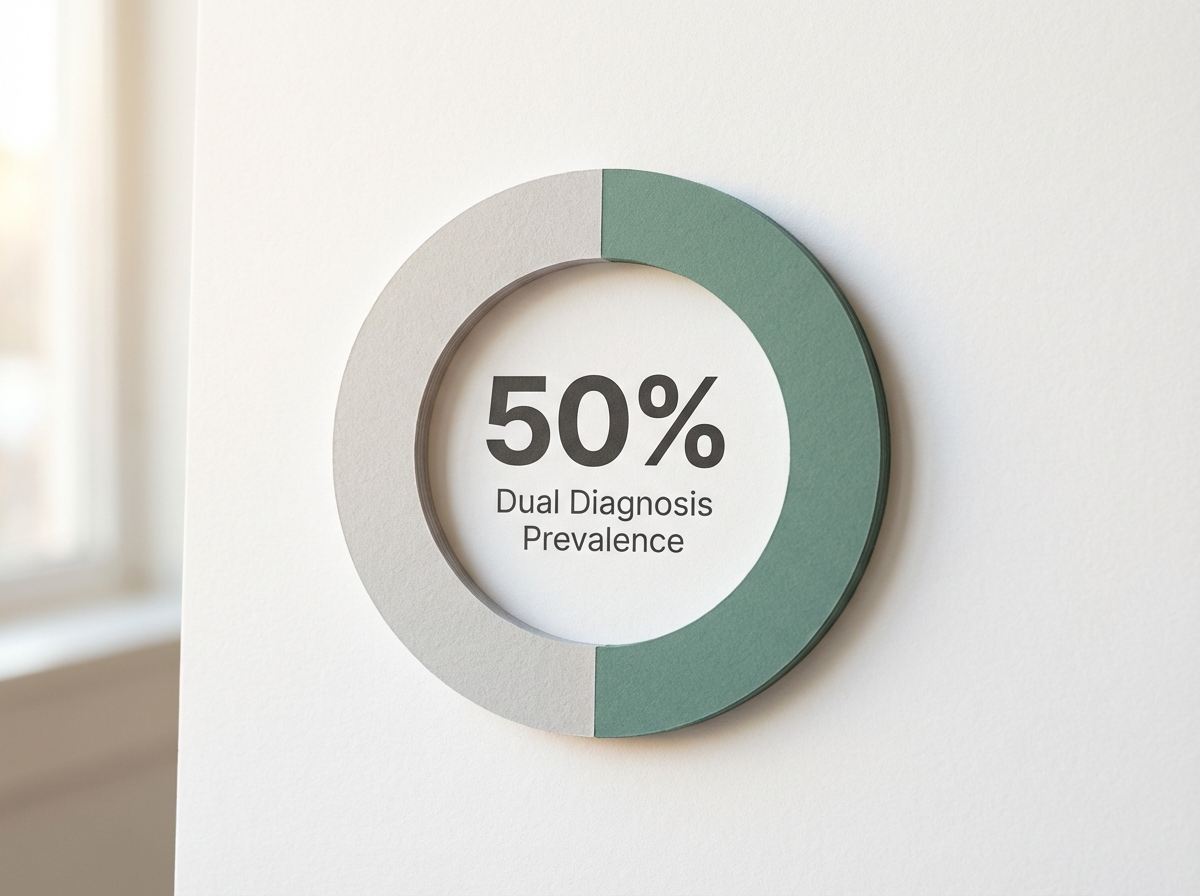
A dual diagnosis decision checklist is essential for identifying when integrated care is needed in your substance abuse treatment plan. Dual diagnosis means facing both a substance use disorder and a mental health condition, such as depression or anxiety.
Since about 50% of individuals with substance use issues also experience a mental health disorder, plans that address both are far more effective than treating either challenge alone. Opt for this route if you want your recovery plan to treat the whole person, not just one aspect of your health.9
Resource Planning and Implementation
A resource planning worksheet is essential when putting your substance abuse treatment plan into action. Start by reviewing what practical supports you’ll need, such as insurance coverage, transportation, and time for appointments. This planning step is key for anyone wanting a recovery journey that fits into real life.
Our services include guidance on navigating insurance benefits, scheduling around life responsibilities, and connecting you with community resources. Taking the time to plan these details makes your recovery path more manageable and helps you stay focused on progress.
Insurance Coverage and Financial Planning
An insurance and financial planning checklist is a valuable tool for making your substance abuse treatment plan achievable. Begin by reviewing your insurance policy to understand what behavioral health services are covered, including outpatient and residential options.
If you’re unsure about details or out-of-pocket costs, our team can help clarify your benefits and guide you through the pre-authorization process. For those without insurance or facing high deductibles, we also connect clients to community resources and flexible payment plans.
Scheduling Around Life Responsibilities
A weekly scheduling worksheet is a useful tool for fitting your substance abuse treatment plan into your daily life. Start by blocking out times for appointments, therapy, or group sessions, then add work, family, and self-care activities.
If childcare or transportation is a concern, our team can help connect you to local resources and adjust your plan so you don’t have to choose between treatment and home life. By planning ahead and working with supportive professionals, your path to recovery can be woven into your routine.
Sustaining Your Substance Abuse Treatment Plan Through Ongoing Support
Recovery doesn't end when treatment concludes—it's an ongoing journey that requires continued commitment and support. The transition from structured treatment back to daily life presents unique challenges, making aftercare planning essential for sustained success.
Most effective recovery programs include comprehensive aftercare services that extend well beyond the initial treatment phase. Experience shows that ongoing engagement with support services strengthens long-term recovery outcomes. These services might include weekly one-on-one counseling sessions, monthly alumni gatherings, or access to a 24/7 crisis helpline.
Building a strong support network forms the foundation of sustained recovery. This network might include family members who understand the recovery process, peers who share similar experiences, and professional counselors who provide guidance during challenging times.
Relapse Prevention Strategies
A relapse prevention checklist is a vital tool for anyone working to sustain progress in their substance abuse treatment plan. This resource helps you and your care team spot early warning signs, recognize personal triggers, and put practical coping strategies in place.
Research highlights that relapse is a common part of recovery, and having structured prevention strategies—like regular self-reflection, support group participation, and skills practice—is linked to greater long-term success. Our team offers tailored relapse prevention tools, group workshops, and one-on-one coaching to help you strengthen resilience.7
Identifying Personal Triggers
A trigger identification worksheet is a practical starting point for recognizing what situations, emotions, or environments may prompt cravings or risky behaviors within your substance abuse treatment plan. Common triggers include stress, certain social settings, or reminders of past substance use.
This process works best when you reflect on recent close calls or relapses and jot down what you were thinking, feeling, or doing just before. Our services provide supportive guidance and group sessions designed to help you spot your personal warning signs and develop a plan for handling them.
Building Your Coping Skills Toolkit
A coping skills worksheet is a hands-on tool you can use with your care team to practice strategies for managing cravings, stress, and difficult emotions in your substance abuse treatment plan. Effective coping skills include:
- Deep breathing exercises.
- Reaching out to a support person.
- Practicing mindfulness.
- Using positive self-talk.
Research shows that actively learning and rehearsing coping skills, either in therapy or group workshops, can lower relapse rates and boost self-confidence over time7. Our services offer skill-building groups and one-on-one coaching to help you build a toolkit that fits your real life.
Your Next 30 Days Action Plan
A 30-day action plan worksheet is a practical guide for turning your substance abuse treatment plan into daily steps you can follow. This tool breaks the next month into manageable weeks, helping you set small, clear goals.
To get started, you might define your daily inputs like: Attend Therapy, Call Sponsor, or Journal for 10 mins. Sticking with short-term goals and regular reviews is especially helpful for those also managing mental health challenges. Our team provides personalized planning, weekly reviews, and encouragement so your plan stays realistic and motivating.
Week-by-Week Implementation Steps
A week-by-week action plan worksheet helps you break your substance abuse treatment plan into clear, manageable steps.
- Week 1: Focus on attending all scheduled therapy sessions and practicing one new coping skill daily.
- Week 2: Center on joining a support group and reflecting on triggers in a journal.
- Week 3: Add an extra check-in with your care team and review progress with your support network.
- Week 4: Work on celebrating milestones—like sustained abstinence or improved mood—and setting a new short-term goal.
Our supportive services include weekly reviews, encouragement, and flexible adjustments to your plan, making each step feel achievable.
Monitoring Progress and Adjusting Goals
A weekly progress tracker is a simple but powerful tool for keeping your substance abuse treatment plan on course. Each week, take a few minutes to review what went well, where challenges popped up, and which goals you met.
If you notice a pattern—like missing support group meetings or increased stress—work with your care team to adjust goals or try new coping strategies. Our services include ongoing check-ins, encouragement, and quick adjustments to your plan so it stays realistic and motivating.
Taking the First Step Toward Recovery
Making the decision to seek help for addiction is one of the most courageous steps anyone can take. It marks the beginning of a transformative journey toward healing, and while the path ahead may seem uncertain, support is available every step of the way.
Recovery doesn't require having all the answers or feeling completely ready. Many people begin their journey with mixed emotions—hope intertwined with fear, determination alongside doubt. These feelings are completely normal. What matters most is taking that initial step, whether it's reaching out to a treatment center, talking to a loved one, or simply acknowledging that change is needed.
Professional treatment provides a safe environment where individuals can address both physical withdrawal and emotional healing. Trained specialists help navigate the complexities of recovery, offering guidance tailored to each person's unique circumstances and challenges. The journey involves understanding the roots of addiction, developing healthier coping mechanisms, and gradually rebuilding a life centered on wellness rather than substance use.
Recovery is not a journey that needs to be walked alone. Those who have dedicated their careers to understanding addiction recognize that each person's path is different. They work alongside individuals to identify what will truly support their healing—whether that means addressing co-occurring mental health concerns, rebuilding damaged relationships, or learning to manage triggers and stress in healthier ways. This collaborative approach honors each person's dignity and autonomy throughout the recovery process.
The first step might feel overwhelming, but it opens the door to a life of renewed possibilities. Reaching out for help demonstrates strength, not weakness. With the right support system and professional guidance, recovery is not just possible—it's achievable. Today can be the day that everything begins to change.
Frequently Asked Questions
As individuals consider their recovery journey—from building a foundation through sustaining long-term wellness—practical questions naturally arise. Addressing these common concerns can help remove barriers and clarify the path forward.
How do I know if I need outpatient treatment or a more intensive residential program?
Deciding between outpatient and residential care within a substance abuse treatment plan starts with considering your daily stability, symptom severity, and support system. Outpatient treatment is a good fit if you have a safe home, mild to moderate symptoms, and enough structure to avoid triggers. Residential programs offer more intensive support, best for those with severe symptoms or who need a break from challenging environments. Because about 50% of people with substance use disorders also have mental health conditions, integrated programs offered in both settings are especially effective. Our team guides you through this decision, assessing your needs and helping you choose a path that matches your life and recovery goals.9
How can my family be involved in my treatment plan?
Family members can play a meaningful role in your substance abuse treatment plan by offering emotional support, joining family therapy sessions, or learning about addiction and recovery. Including loved ones often helps you feel less isolated and can strengthen relationships that are important for long-term success. For many people, having family involved is especially helpful when managing both substance use and mental health challenges, as about 50% of individuals in treatment experience both. Our services encourage family participation through education, joint counseling, and ongoing updates—ensuring everyone feels informed and empowered to support your journey.9
What is trauma-informed care, and why does it matter in addiction treatment?
Trauma-informed care means that your care team recognizes how experiences of trauma—such as abuse, loss, or violence—can affect recovery, and they adjust every aspect of your substance abuse treatment plan to prioritize emotional and physical safety. This approach is especially important because trauma is common among individuals struggling with addiction, and unaddressed trauma can make recovery more challenging. Research shows that integrating trauma awareness helps treatment plans address both substance use and mental health needs more effectively. Our services provide compassionate, trauma-aware support, offering therapies and resources that consider your whole life story.9
How much does outpatient substance abuse treatment typically cost without insurance?
The cost of outpatient substance abuse treatment without insurance can vary widely based on the services offered, the length of the program, and your location. While exact costs are not provided in current research, many programs now offer flexible service models and payment plans to reduce financial barriers. Outpatient care typically includes therapy, group sessions, and medication support for those who need it. If cost is a concern, our team can connect you with local resources and discuss sliding scale options to ensure you have access to addiction recovery support.
What should I look for when choosing a treatment provider or program?
When choosing a provider or program for your substance abuse treatment plan, look for several key features. Make sure the team offers evidence-based therapies, such as Cognitive-Behavioral Therapy and Medication-Assisted Treatment, and is experienced in treating both substance use and mental health conditions. Programs that provide integrated, trauma-informed care create a safer, more effective environment for healing. Accessibility is important too: flexible appointment times, telehealth options, and support for family involvement can make your recovery journey smoother.
Can I create a treatment plan on my own, or do I need professional help?
While it’s possible to outline some personal goals or identify areas you’d like to change, creating an effective substance abuse treatment plan on your own is very challenging. Professional support brings essential tools like thorough assessments, evidence-based therapies, and strategies for addressing both substance use and mental health needs. Our services offer expert guidance, compassionate therapy, and ongoing support, helping you build a plan that adapts as your needs change. Working with professionals not only makes your plan more effective but also gives you a network of encouragement and accountability to help you succeed.
What should I expect during my first treatment assessment?
During your first assessment for a substance abuse treatment plan, you can expect a supportive conversation focused on understanding your history, current challenges, and personal goals. A care professional will ask about your substance use, mental health, physical health, and daily life to build a holistic picture of your needs. This step often includes a biopsychosocial evaluation—a broad look at biological, psychological, and social factors that impact your recovery. Many people are surprised at how collaborative and non-judgmental the process feels. Our team welcomes you in a comfortable setting, guiding you through questions and listening closely to your concerns.9
Can I continue working while in outpatient treatment?
Yes, many people are able to continue working while participating in outpatient treatment as part of their substance abuse treatment plan. Outpatient programs are designed with flexibility in mind, allowing you to attend therapy sessions, medication appointments, and support groups around your work schedule. This balance can make it easier to maintain employment, family responsibilities, and recovery at the same time. Research shows that flexible service options like intensive outpatient programs are increasingly available to meet the needs of working professionals. Our team helps you build a tailored schedule, offers evening or weekend sessions, and connects you to resources such as telehealth when needed.9
How is dual diagnosis treatment different from standard substance abuse treatment?
Dual diagnosis treatment is specifically designed for people who face both a substance use disorder and a mental health condition, such as depression or anxiety. Unlike standard substance abuse treatment, which focuses mainly on addiction, dual diagnosis care integrates therapies for both issues at the same time. Research shows that about 50% of individuals with a substance use disorder will also experience a mental health disorder, so treating both together leads to better outcomes9. Integrated treatment blends counseling, medication management, and support for mental health and addiction in one coordinated plan.
Will my insurance cover substance abuse treatment, and how do I verify my benefits?
Most insurance plans cover at least part of the costs for a substance abuse treatment plan, including outpatient and residential services as well as therapy and medication support. Coverage can vary, so it’s a good idea to call the number on your insurance card or visit your provider’s website to check which behavioral health benefits apply. Ask about copays, deductibles, pre-authorization, and any network requirements for addiction recovery services. Our team can help you verify your benefits, explain coverage details, and guide you through the necessary steps to access care.
What if I've tried treatment before and relapsed—can a treatment plan still work for me?
Yes, a substance abuse treatment plan can still work for you even if you’ve relapsed before. Relapse is common and is often part of the recovery process—not a sign of failure. Effective treatment plans are designed to adapt and support you as your needs change, helping you learn from past experiences and build new strategies for lasting recovery. This approach works especially well when the plan includes ongoing support, flexible adjustments, and evidence-based therapies tailored to your unique journey. Our services offer relapse prevention tools, regular check-ins, and a compassionate team ready to help you get back on track.7
How long does a typical substance abuse treatment plan last?
The length of a typical substance abuse treatment plan can vary based on individual needs, the severity of substance use, and whether co-occurring mental health conditions are present. Most plans begin with an initial phase of more frequent support—often lasting several weeks to a few months—followed by ongoing monitoring and aftercare. Recovery is not a one-size-fits-all journey; while some people benefit from a structured 30- or 90-day program, others may need longer-term support and adjustments over time. Our services are designed to adapt to your progress, offering both short-term interventions and extended support to help you maintain lasting recovery.
Is medication-assisted treatment right for me, and how does it work with therapy?
Medication-assisted treatment (MAT) can be a helpful part of a substance abuse treatment plan, especially for those dealing with opioid or alcohol dependence. MAT uses FDA-approved medications—like buprenorphine or naltrexone—alongside therapy to ease cravings, support mood stability, and reduce the risk of relapse. This approach is most effective when combined with counseling and behavioral therapies, creating a whole-person strategy that addresses both the biological and emotional aspects of addiction. Our services offer MAT as part of a tailored plan, ensuring you have access to expert medical guidance, therapy, and ongoing support.
What happens if my treatment plan isn't working—can it be changed?
If your substance abuse treatment plan isn’t working as hoped, it can absolutely be adjusted. Treatment is a flexible, ongoing process—what works for you at one stage may need to be updated as your needs, goals, or challenges change. Sometimes, a different therapy approach, added support for mental health, or a new relapse prevention strategy makes all the difference. Our team meets with you regularly to review your progress, listen to your feedback, and make swift changes to your plan so you stay supported and motivated.
References
- Principles of Drug Addiction Treatment: A Research-Based Guide (Third Edition). https://pmc.ncbi.nlm.nih.gov/articles/PMC3678283/
- About The ASAM Criteria. https://www.asam.org/asam-criteria/about-the-asam-criteria
- Dual Diagnosis: Symptoms, Causes & Treatment. https://my.clevelandclinic.org/health/diseases/24426-dual-diagnosis
- Dual Diagnosis. https://medlineplus.gov/dualdiagnosis.html
- Enhancing Motivation for Change in Substance Use Disorder Treatment (TIP 35). https://library.samhsa.gov/sites/default/files/PEP20-02-02-014.pdf
- Contingency Management as a Treatment for Substance Use Disorders: A Review of the Recent Literature. https://aspe.hhs.gov/sites/default/files/documents/a0cc6fcdb2968be95f60bb1c2c94eb70/contingency-management-sub-treatment.pdf
- Relapse Prevention. https://www.ncbi.nlm.nih.gov/books/NBK551500/
- Cognitive-Behavioral Therapy for Substance Use Disorders. https://pmc.ncbi.nlm.nih.gov/articles/PMC2897895/
- Dialectical Behavior Therapy for Co-Occurring Disorders. https://pmc.ncbi.nlm.nih.gov/articles/PMC2797106/
- Alcoholics Anonymous and other 12-step programs for alcohol use disorder. https://pmc.ncbi.nlm.nih.gov/articles/PMC3753023/