
Intensive Outpatient Explained

What Is Intensive Outpatient: Program Overview
Core Definition and Treatment Structure
Intensive Outpatient Programs, often called IOPs, are a structured type of treatment for people dealing with substance use or mental health conditions. If you are asking, what is intensive outpatient, think of it as a highly effective middle ground. It sits right between living full-time at a treatment center (inpatient care) and seeing a counselor just once a week.
IOPs are designed for professionals who need more support than weekly therapy but must still manage their daily lives, careers, and families. In an IOP, you typically attend therapy and educational sessions for about 9 to 15 hours each week.
"Intensive outpatient programs balance clinical intensity with real-world flexibility, making them a cornerstone of modern addiction treatment."
These sessions include group discussions, one-on-one counseling, and classes that teach important life and recovery skills. Imagine it like attending a specialized professional development course: there is a regular schedule, different subjects (like coping skills and relapse prevention), and a supportive group of peers.
This structure helps you practice new habits in real-life situations while still having access to expert guidance. Research shows that IOPs work well, with studies finding that 50% to 70% of participants remain abstinent from drugs or alcohol for months after finishing treatment.10
Position Within the Care Continuum
Intensive Outpatient Programs hold a unique place in the treatment journey. They are often described as a bridge between full-time inpatient care and standard outpatient therapy. To understand where this fits within the care continuum, imagine a staircase with different steps.
Inpatient or residential treatment is the highest step, providing round-the-clock support for those in crisis. Standard outpatient therapy is on a lower step, suitable for those in long-term recovery. IOPs sit right in the middle.
Clinical guidelines recommend IOPs for individuals who are stable enough not to need 24-hour supervision, but who still require several hours of therapy each week to build coping skills and prevent relapse.2,5
Because IOPs combine intensity and real-life practice, they help you apply new skills in your daily environments, supporting long-term success.10
How Intensive Outpatient Treatment Works
Weekly Schedule and Time Commitment
The weekly schedule in an intensive outpatient program is designed to offer consistent support while allowing you to maintain your work and family responsibilities. Typically, you will attend sessions three to five days each week, with each session lasting around three hours.
This adds up to a total of about 9 to 15 hours of treatment per week. Think of the schedule like a part-time job or a recurring team meeting: it happens regularly and requires focus, but still leaves room for daily life.
Most programs offer flexible scheduling to fit your routine:
- Morning Sessions: Ideal for those who work evening shifts or want to start their day with focused recovery.
- Afternoon Sessions: Great for individuals with flexible work hours or caregiving duties.
- Evening Sessions: Perfect for professionals working standard 9-to-5 jobs.
During each session, time is divided among group therapy, individual counseling, and educational classes. This routine helps build positive habits, much like practicing a sport several times a week to improve skills and confidence. Research supports that this time commitment is highly effective.10

Evidence-Based Therapeutic Approaches
Evidence-based therapeutic approaches are the foundation of effective intensive outpatient treatment. These therapies are backed by research, meaning they have been shown to help people make real progress in recovery.
Common approaches include Cognitive Behavioral Therapy (CBT), which teaches you how to spot and change unhelpful thinking patterns. Dialectical Behavior Therapy (DBT) is also used to help manage emotions and build healthy relationships.
Imagine these therapies as tools in a toolbox. CBT might be the wrench for tightening loose thoughts, while DBT is the screwdriver for adjusting emotional responses. Motivational interviewing acts as the flashlight that helps you see your own strengths.
In many programs, group sessions allow you to practice these skills together. If you ever feel overwhelmed, you can use a mental Ctrl + Alt + Delete to reset your thought process using grounding skills taught in therapy.
Research shows that using these evidence-based therapies in intensive outpatient settings leads to significant reductions in substance use and improvements in mental health.10
Key Components of Effective Programs
Individual and Group Therapy Integration
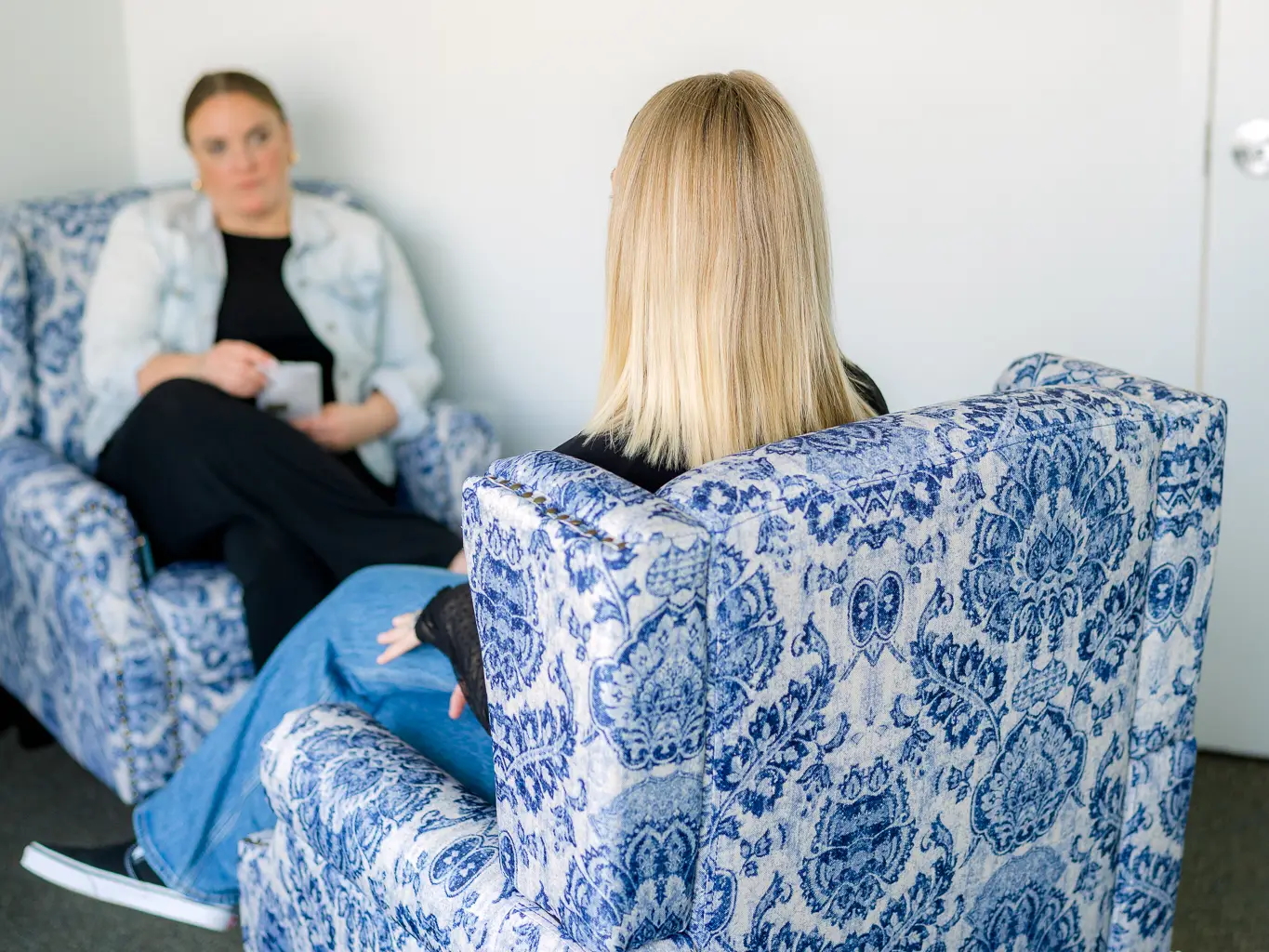
Individual and group therapy are the main building blocks of effective care, working together to provide a well-rounded treatment experience. Think of individual therapy as a one-on-one coaching session.
Here, you can safely explore personal challenges, set goals, and develop coping strategies tailored to your unique needs. This is a private space for honest conversations and skill building, much like having a personal mentor guiding each step.
Therapeutic Integration Model: Combining 1-on-1 focus with peer support networks.
Figure 1: The dual approach of individual and group therapy creates a comprehensive support system for lasting recovery.
Group therapy, on the other hand, is like being part of a rofe. In these sessions, you share experiences and learn from one another under professional guidance. Group discussions help reduce feelings of isolation and offer real-life feedback from peers.
Research highlights that integrating both individual and group therapy leads to better outcomes. When combined, these approaches help you practice new skills, gain multiple perspectives, and build a network of support.10
Medication-Assisted Treatment Options
Medication-assisted treatment (MAT) is a key option available in many intensive outpatient programs. MAT combines special medications with counseling and therapy to help you manage cravings and reduce the risk of relapse.
Think of MAT as a supportive bridge. While therapy teaches new skills and strategies, medication helps stabilize the body and mind, making it easier to focus on your recovery goals.
Common Medications Used in MAT
Medications such as buprenorphine, methadone, and naltrexone are frequently used for opioid use disorders. For alcohol use disorders, medications like acamprosate or disulfiram may be prescribed. All are closely monitored by healthcare professionals.
The goal isn’t to replace one substance with another, but to provide a steady foundation so you can fully engage in your treatment. Research shows that MAT, when combined with counseling and behavioral therapies, can significantly improve outcomes.10
With flexible scheduling and close medical supervision, this approach becomes highly accessible for professionals who might otherwise struggle with withdrawal or cravings.
Why What Is Intensive Outpatient Matters Today
Clinical Outcomes and Success Rates
When considering the effectiveness of these programs, it is helpful to look at how well they work for professionals in recovery. Studies have found that intensive outpatient programs (IOPs) can be just as effective as inpatient or residential treatment for many participants.
In fact, between 50% and 70% of people who complete IOPs remain abstinent from drugs or alcohol for up to 18 months after finishing treatment. This is a remarkably strong success rate for any treatment model.10
Imagine this like training for a marathon. Not everyone needs to move into a remote training camp; some succeed with a structured plan while still managing their day-to-day routine. IOPs provide this balanced approach, offering the support needed without removing you from your community or career.
Research highlights that the use of evidence-based therapies, such as cognitive behavioral therapy and medication-assisted treatment, increases the chances of long-term recovery.10
Accessibility and Flexibility Benefits
One of the main reasons these programs stand out is their accessibility and adaptability for people with busy or unpredictable schedules. Unlike residential programs that require you to live on-site, IOPs let you attend treatment during set hours while continuing with work, school, or family responsibilities.
Imagine treatment that fits like a flexible professional development schedule. Morning, afternoon, or evening sessions can be chosen to suit your specific needs. This makes it easier for professionals and caregivers to get the support they need without pausing their careers.
Recent advances in virtual IOPs have further expanded access, especially for people facing transportation challenges. Now, secure video platforms mean that therapy and group support can happen from home.
Studies show that virtual IOPs achieve similar engagement rates and outcomes compared to traditional in-person programs, with nearly 80% of participants remaining engaged after 30 days. These flexible options help reduce missed sessions and increase retention, which are vital for long-term recovery.6,7

Finding the Right Treatment Partner
Taking the first step toward treatment takes courage, and finding the right support partner can feel overwhelming when you are navigating this process for the first time. The good news is that effective addiction treatment does not have to disrupt your entire life. The right program will work around your existing responsibilities while providing the comprehensive care you need.
At Coastal Recovery Partners, located in South Portland, Maine, we understand that most professionals seeking treatment are balancing jobs, families, and daily commitments. That is why we offer flexible scheduling with morning, afternoon, and evening sessions across our core programs.
Our Intensive Outpatient Program (IOP) typically meets several times per week, allowing you to maintain your work schedule. For those needing more support, our Partial Hospitalization Program (PHP) provides more frequent sessions while still letting you return home each evening. As you progress, our standard Outpatient Program (OP) offers continued support with less time commitment.
What makes treatment truly effective is the approach. Coastal Recovery Partners combines proven therapies like Cognitive Behavioral Therapy (CBT) and motivational interviewing with Medication-Assisted Treatment (MAT) when appropriate. All of our services are delivered through a trauma-informed care model. This means we address not just substance use, but any co-occurring mental health concerns through our integrated dual diagnosis treatment.
Perhaps most importantly, Coastal Recovery Partners provides dedicated care coordination support to help you navigate insurance coverage, schedule your sessions, and understand each step of the treatment process. You do not have to figure this out alone. Our team in South Portland is ready to guide you from that first phone call through long-term recovery and alumni support, making the path forward clearer and more manageable.
Remember that recovery is a journey of rebuilding trust—in yourself, in others, and in the process of healing. If you are ready to explore your options, reach out to Coastal Recovery today. We're here to help guide you toward a future defined not by your past, but by your resilience and hope.
Recovery Starts With a Conversation
Whether you’re exploring recovery for yourself or seeking guidance for someone you care about, Coastal Recovery Partners is here to help. Our team offers trauma-informed, evidence-based support grounded in structure, compassion, and real connection—without pressure or judgment.
When you’re ready, we’ll meet you where you are and help you take the next step forward.
Frequently Asked Questions
Is intensive outpatient treatment the same as partial hospitalization?
No, intensive outpatient treatment is not the same as partial hospitalization, though both are structured programs for recovery. Partial hospitalization programs (PHPs) are more intensive, typically involving treatment for most of the day, five to seven days a week—almost like a full-time job. In contrast, what is intensive outpatient means attending therapy and support sessions for fewer hours per week, often in the range of 9 to 15 hours, so participants can still maintain work or family obligations. Both offer group and individual therapy, but PHPs are designed for people needing more daily support or medical monitoring.2
How does family involvement impact treatment completion rates?
Family involvement plays a big role in helping people finish what is intensive outpatient treatment. When families attend therapy sessions, it’s like having an extra support team cheering on the participant. Research shows that each family therapy session attended increases the odds of treatment completion by 1.4 times. Completion rates are much higher when families join in—about 83% for those with family support compared to 59% without it. This support can make sessions feel more meaningful and help participants stick with their recovery goals.3
Can someone attend intensive outpatient treatment while working full-time?
Yes, someone can attend what is intensive outpatient treatment while working full-time. Most intensive outpatient programs (IOPs) are designed with flexibility in mind, offering sessions during mornings, afternoons, or evenings. This setup is similar to fitting a recurring class or training around a busy work schedule. Participants typically need to commit 9 to 15 hours per week—spread out over several days—so they can keep up with job and family responsibilities. Research confirms that IOPs are effective for individuals balancing treatment with work, providing structured support without requiring a leave of absence.10
Are virtual intensive outpatient programs as effective as in-person treatment?
Yes, virtual intensive outpatient programs can be just as effective as in-person treatment for many people. Virtual IOPs use secure video calls for group therapy, individual counseling, and skill-building classes, making it easier for participants to join from home or work. Research shows that nearly 80% of people in virtual IOPs remain engaged after 30 days, which is similar to the rates seen in traditional, in-person programs. These virtual options are especially helpful for those with transportation challenges or busy schedules. What is intensive outpatient care now includes flexible formats to meet the needs of diverse professionals.6
What happens if someone needs more intensive care during outpatient treatment?
If someone enrolled in what is intensive outpatient care needs more support, their treatment team can help them move to a higher level of care—such as a partial hospitalization program (PHP) or inpatient/residential treatment. This decision is based on regular clinical assessments and signs that a person might need extra safety or medical monitoring, like increased cravings, mental health symptoms, or risk of relapse. The goal is to match each individual with the right level of help at the right time, ensuring safety and progress in recovery. Clinical guidelines recommend this kind of step-up approach when needed for best outcomes.2
Does Medicare cover intensive outpatient program services?
Yes, Medicare now covers intensive outpatient program (IOP) services for mental health and substance use treatment. As of January 1, 2024, Medicare beneficiaries can receive what is intensive outpatient treatment at eligible facilities, including hospital outpatient departments, community mental health centers, and federally qualified health centers. Coverage includes group and individual therapy, medication management, and other core IOP services. However, at this time, Medicare coverage is available only for in-person IOP services—not for virtual or telehealth-based programs. Participants should check with their provider to confirm eligibility and any out-of-pocket costs.4
References
- Substance abuse intensive outpatient programs: Assessing the evidence. https://pmc.ncbi.nlm.nih.gov/articles/PMC4152944/
- Chapter 8. Intensive outpatient treatment approaches. https://www.ncbi.nlm.nih.gov/books/NBK64102/
- The impact of family therapy participation on youths and young adults. https://pmc.ncbi.nlm.nih.gov/articles/PMC10160927/
- Mental health care (intensive outpatient program services). https://www.medicare.gov/coverage/mental-health-care-intensive-outpatient-program-services
- About the ASAM Criteria. https://www.asam.org/asam-criteria/about-the-asam-criteria
- Patient engagement in providing telehealth SUD IOP treatment. https://pmc.ncbi.nlm.nih.gov/articles/PMC11675410/
- Reducing barriers to promote engagement and retention in treatment. https://www.frontiersin.org/journals/child-and-adolescent-psychiatry/articles/10.3389/frcha.2024.1393401/full
- DBT-informed treatment in a partial hospital and intensive outpatient program. https://pmc.ncbi.nlm.nih.gov/articles/PMC7513610/
- Chapter 10. Addressing diverse populations in intensive outpatient treatment. https://www.ncbi.nlm.nih.gov/books/NBK64095/
- TIP 47: Substance abuse: Clinical issues in intensive outpatient treatment. https://www.samhsa.gov/resource/ebp/tip-47-substance-abuse-clinical-issues-intensive-outpatient-treatment