
Westbook ME Addiction Treatment: Local Care, Trusted Support

Maine's Evidence-Based Addiction Treatment Near Westbrook ME
Understanding Maine's Recovery Infrastructure
In this section, you'll learn how Maine's recovery infrastructure is structured to support sustainable recovery, including the key components and their practical impact for those seeking addiction treatment near Westbrook ME. By the end, you'll be able to identify the main elements of the state's system and recognize how these resources fit together in a real-world context.
The state offers a continuum of care that includes prevention efforts, harm reduction, and a range of treatment settings. Each piece addresses a different need:
- Medication-Assisted Treatment (MAT): Supports medical stabilization.
- Intensive Outpatient Programs (IOPs): Provide structured therapy without full-time residency.
- Partial Hospitalization Programs (PHPs): Offer more intensive daytime support for those not requiring overnight care.
These services are grounded in evidence-based therapies such as Cognitive-Behavioral Therapy (CBT), Dialectical Behavior Therapy (DBT), and Motivational Interviewing, which help address not just substance use, but also co-occurring mental health issues and life challenges.1
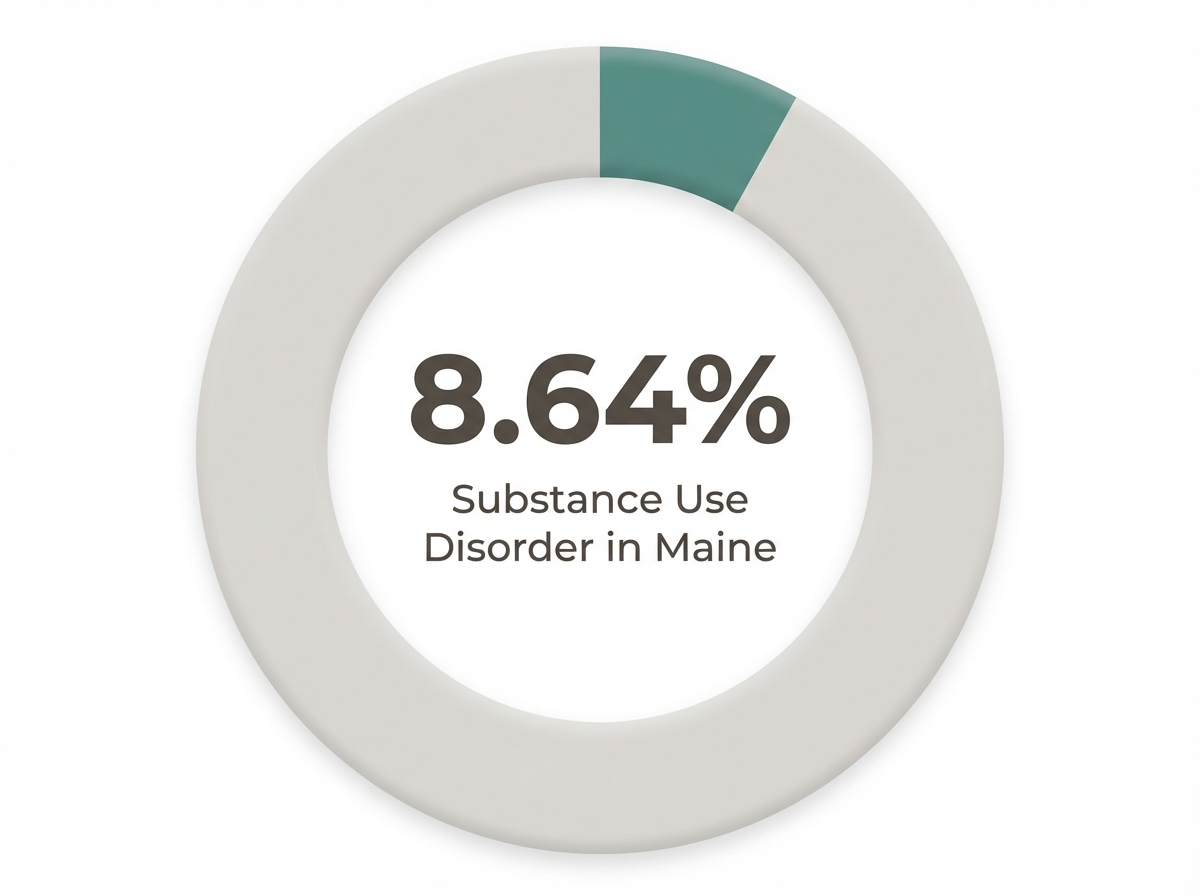
Maine's substance use disorder recovery network is like a carefully woven safety net—multiple strands working together to catch individuals at different stages of their journey.
Practice This: Visual Map Exercise
Create a visual map that shows how prevention, harm reduction, MAT, IOP, and PHP connect as a recovery pathway in Maine. You're ready for the next level when you can explain how each part of the system meets a specific need for people accessing addiction treatment near Westbrook ME.
Next, explore the persistent gaps and challenges that shape access to this vital network.
The Treatment Gap and Access Challenges
In this section, you'll learn to identify the persistent barriers to accessing addiction treatment near Westbrook ME and develop strategies to navigate these challenges. By the end, you'll be able to recognize key factors that create the "treatment gap" and evaluate how these impact both professional and personal recovery journeys.
Despite Maine’s progress in expanding treatment options, a significant treatment gap remains—many individuals with substance use disorder still do not receive care, even as the number seeking help rises each year. This gap exists for several reasons:1
- Geographic Limitations: Rural regions often entail long travel times or limited program options, challenging working professionals.
- Stigma: Concerns about confidentiality in tight-knit communities can deter individuals from seeking help.
- Insurance Complexity: Navigating coverage and the need for integrated care for co-occurring disorders complicates access.
Practice This: Barrier Analysis
Create a list of three common barriers faced by people seeking addiction treatment near Westbrook ME. For each, write a possible solution or resource that could help overcome that barrier—one for business professionals, one for individuals managing family commitments, and one for those needing dual diagnosis care.
You’re ready for the next level when you can articulate how these barriers directly affect engagement in treatment and can recommend specific supports that address each challenge.
Next, discover outpatient treatment models designed to fit around life and work, making recovery more accessible.
Outpatient Addiction Treatment Near Westbrook ME Models That Fit Life
Intensive Outpatient Programs for Working Professionals
In this section, you'll learn how Intensive Outpatient Programs (IOPs) are tailored for working professionals seeking addiction treatment near Westbrook ME. You’ll be able to evaluate whether an IOP aligns with the demands of professional life and identify which support structures make ongoing work and recovery possible.
Think of an IOP as the "flex schedule" of the recovery world—structured enough to offer stability but flexible enough to fit around work and family commitments.
IOPs typically provide multiple weekly sessions, including options before or after business hours. These programs incorporate evidence-based therapies like CBT, DBT, and Motivational Interviewing. For many professionals, the real advantage lies in the ability to access comprehensive care while maintaining employment and fulfilling daily responsibilities. Studies confirm that for appropriately matched clients, IOPs achieve outcomes comparable to inpatient care, but with reduced disruption to personal and professional lives.2
Practice This: Scheduling Exercise
Create a sample workweek calendar and plot when group therapy, individual counseling, and skill-building sessions would fit around a standard 9-to-5 job. Try both a morning and an evening track.
- Business Application: Assess how IOPs can support workforce retention and reduce absenteeism for organizations with employees in recovery.
- Personal Use: Identify two practical strategies to manage work stress while participating in IOP sessions.
You’re ready for the next level when you can articulate how IOPs make recovery accessible for professionals balancing work, family, and personal health.
Next, examine how partial hospitalization programs serve as a bridge to greater independence.
Partial Hospitalization as a Bridge to Independence
In this section, you'll learn how Partial Hospitalization Programs (PHPs) provide a structured pathway for those seeking addiction treatment near Westbrook ME, especially when greater support is needed but full residential care isn’t required. By the end, you'll be able to distinguish the key features of PHPs and explain how they help individuals transition toward greater independence in recovery.
Picture a PHP as a "bridge"—a place where individuals can spend most of the day immersed in therapy, skill-building, and medical monitoring, then return home or to a supportive environment each evening. This model is particularly useful for people stepping down from inpatient care or those needing more intensive support than a standard outpatient program.
PHPs typically offer daily group sessions, individual counseling, and access to core therapies such as CBT, DBT, and Motivational Interviewing, all tailored to address substance use along with co-occurring mental health needs. The focus is on building relapse prevention skills, emotional regulation, and practical planning for daily life. Compared to residential care, PHPs offer more flexibility and maintain a strong therapeutic structure, which can be essential for professionals or caregivers balancing recovery with outside responsibilities.
Practice This: Transition Planning
Design a weekly PHP schedule, including therapy groups, individual sessions, and time for work, family, or personal commitments. Consider how you would manage transitions between care levels and daily routines.
- Business Application: Evaluate how PHP flexibility can support employee reintegration and sustained job performance.
- Personal Use: List two strategies that could help maintain motivation when moving from PHP to a less intensive level of care.
You’re ready for the next level when you can outline a transition plan from PHP to outpatient or community-based support, ensuring continuity of progress.
Next, explore the core therapeutic approaches and measurable outcomes that underpin effective addiction care.1
Recovery Starts With a Conversation
Whether you’re exploring recovery for yourself or seeking guidance for someone you care about, Coastal Recovery Partners is here to help. Our team offers trauma-informed, evidence-based support grounded in structure, compassion, and real connection—without pressure or judgment.
When you’re ready, we’ll meet you where you are and help you take the next step forward.
Core Therapeutic Approaches and Outcomes
Cognitive-Behavioral and Dialectical Strategies
In this section, you'll learn how Cognitive-Behavioral Therapy (CBT) and Dialectical Behavior Therapy (DBT) work as practical strategies for substance use recovery, and how to identify key signs of progress when applying them in addiction treatment near Westbrook ME. By the end, you’ll be able to differentiate the focus of each approach and recognize the outcomes they target.
Imagine CBT as a set of mental “toolkits”—each tool designed to help individuals notice, challenge, and change unhelpful thought patterns that drive substance use. For example, if stress at work leads to cravings, CBT teaches how to spot that trigger and swap in healthier responses. Research shows CBT is effective both as a standalone treatment and when combined with other therapies; in one study, 60% of participants treated for cocaine use with CBT had clean toxicology screens after a year, highlighting the durability of its effects.6
DBT complements CBT by targeting emotional regulation and impulse control, especially for those who feel overwhelmed by intense emotions or urges. Think of DBT as learning to “ride the wave” of difficult feelings without resorting to substance use. In randomized trials, DBT nearly doubled treatment retention rates (64% vs. 27%) and led to greater reductions in drug use compared to standard approaches.7

Practice This: Coping Plan
Create a personal coping plan that pairs a common trigger with a specific CBT skill (like reframing a thought) and a DBT skill (such as distress tolerance or mindfulness).
- Business Application: Outline how CBT and DBT skills can reduce workplace absenteeism by improving stress management.
- Personal Use: Identify one situation where you could apply a DBT skill instead of old coping habits.
You’re ready for the next level when you can explain which therapy—or combination—fits best for yourself or your clients in addiction treatment near Westbrook ME.
Next, see how medication-assisted treatment can be integrated with these therapies for even stronger outcomes.
Medication-Assisted Treatment Integration
In this section, you'll learn how Medication-Assisted Treatment (MAT) is integrated into addiction treatment near Westbrook ME, and how combining medication with behavioral therapies can support both immediate stabilization and long-term recovery. By the end, you'll be able to outline the role of MAT, recognize its benefits and limitations, and know how to match MAT with other supports for optimal outcomes.
MAT uses FDA-approved medications—such as methadone or buprenorphine/naloxone—to reduce cravings and withdrawal symptoms. Imagine MAT as a sturdy anchor: it holds recovery steady, preventing the unpredictable swings that can sabotage early progress. Yet, MAT is not a standalone solution. Its full effectiveness emerges when paired with counseling and skill-building therapies like CBT and DBT. For example, someone attending group therapy while stabilized on medication is better equipped to focus on coping strategies, emotional regulation, and relapse prevention.
However, studies also point out that retention can vary: a large cohort found higher discontinuation rates with buprenorphine/naloxone compared to methadone (88.8% vs. 81.5% over two years).9
Practice This: Integrated Recovery Plan
Draft a weekly recovery plan that combines medication dosing, therapy sessions, and time for wellness activities.
- Business Application: Identify two ways MAT integration can help reduce absenteeism and support employee stability.
- Personal Use: Name one way MAT has supported—or could support—your own or a client’s engagement in therapy.
You’re ready for the next level when you can describe how medication and therapy work together in addiction treatment near Westbrook ME, and advocate for a tailored, integrated plan.
Next, we’ll address dual diagnosis and trauma-informed protocols in the treatment continuum.
Dual Diagnosis and Trauma-Informed Care
Treating Co-Occurring Mental Health Disorders
In this section, you’ll learn how co-occurring mental health and substance use disorders are addressed together in addiction treatment near Westbrook ME, and how to identify when integrated care is necessary for yourself or others. By the end, you’ll be able to outline the rationale for dual diagnosis treatment and recognize signs that a coordinated approach may be needed.
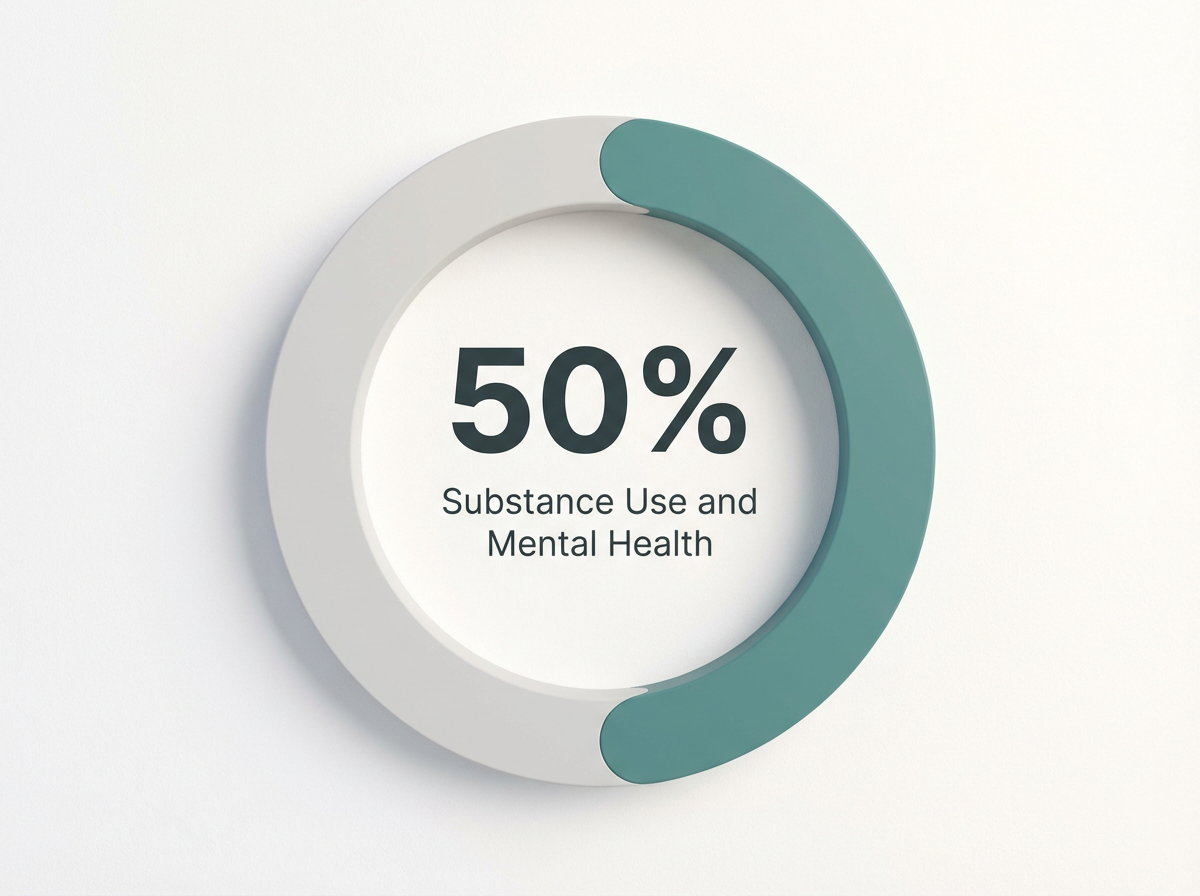
Dual diagnosis—where a person experiences both a mental health disorder (like depression, anxiety, or PTSD) and a substance use disorder—is not rare. In fact, studies suggest about 50% of people with a substance use disorder will also face a mental health disorder at some point, and vice versa.1
Imagine these conditions as overlapping circles: each can fuel the other, making recovery more complicated if only one is treated. For example, untreated depression may drive substance use, while ongoing substance use can worsen mood and anxiety symptoms.
The most effective addiction treatment near Westbrook ME provides integrated care, meaning both mental health and substance use are treated at the same time—often by the same team. This approach improves engagement, reduces relapse risk, and leads to better long-term outcomes. Signs that integrated care may be needed include persistent mood swings, anxiety, trauma symptoms, or difficulty maintaining progress in treatment despite best efforts.4
Practice This: Symptom Overlap Chart
Make a chart listing potential symptoms of depression, anxiety, or PTSD that might overlap with substance use, and brainstorm how each could affect recovery progress.
You’re ready for the next level when you can explain why treating both conditions together is essential, and recognize when a dual diagnosis pathway is the right fit.
Next, we’ll explore how trauma-responsive protocols further enhance safety and trust in the recovery process.
Trauma-Responsive Treatment Protocols
In this section, you’ll learn what trauma-responsive treatment protocols look like in addiction treatment near Westbrook ME, why they matter, and how to identify signs that a care environment is truly trauma-informed. By the end, you’ll be able to describe core features of trauma-responsive care and recognize practices that foster safety and trust for those with trauma histories.
A trauma-responsive approach in addiction treatment is like setting a sturdy, welcoming foundation before building anything else. It begins with the understanding that many people seeking help have experienced trauma—such as violence, abuse, or profound loss—which can shape both substance use and how individuals respond to care. National research confirms that addressing trauma alongside addiction leads to better engagement and fewer relapses, since untreated trauma can drive ongoing substance use and hinder recovery progress.4
Key trauma-informed practices include:
- Prioritizing Safety: Ensuring both emotional and physical safety in the treatment environment.
- Collaborative Decision-Making: Inviting clients to be active participants in their care plan.
- Empowering Language: Using language that empowers rather than labels or stigmatizes.
Providers receive ongoing training to recognize trauma responses (like withdrawal or heightened anxiety), and treatment plans are adapted to avoid re-traumatization. For professionals, this means fostering environments where clients feel respected, have choices, and can set boundaries without fear of judgment.
Practice This: Protocol Review
Review your current treatment setting or team protocols. List three ways safety, choice, and collaboration are built into your daily practice, or identify where improvements could be made.
- Business Application: Assess how trauma-informed supervision can support staff resilience and retention.
- Personal Use: Reflect on one way a trauma-responsive practice has helped you—or someone you know—feel safer in a recovery setting.
You’re ready for the next level when you can explain how trauma-informed care enhances outcomes for those seeking addiction treatment near Westbrook ME and can advocate for these principles in your professional context.
Next, we’ll address frequently asked questions about balancing treatment with life’s commitments.
Building Your Recovery Path in South Portland
Balancing a career while pursuing recovery takes real courage—and the right support structure makes all the difference. When professional responsibilities can't be put on hold, finding treatment that works around work schedules and daily commitments becomes essential. Coastal Recovery Partners understands this reality, offering Intensive Outpatient (IOP), Partial Hospitalization (PHP), and standard Outpatient (OP) programs with morning, afternoon, and evening sessions designed to fit into working lives rather than interrupt them.
The treatment approach brings together cognitive behavioral therapy, dialectical behavioral therapy, and motivational interviewing within a trauma-informed framework that recognizes how past experiences shape present challenges. For those managing both substance use and mental health concerns, dual diagnosis treatment addresses both simultaneously rather than treating them as separate issues. Medication-assisted treatment combines therapeutic support with medical intervention, creating a coordinated approach that supports lasting recovery.
Recognizing that administrative hurdles shouldn't stand between someone and the help they need, care coordination services work to remove those obstacles—navigating insurance coverage and streamlining treatment planning so energy can focus on recovery itself. Support extends well beyond initial treatment phases through relapse prevention programming, aftercare services, and alumni connections that foster long-term stability. This comprehensive approach enables professionals to build sustainable recovery while maintaining the careers and personal responsibilities that matter to them.
Frequently Asked Questions
What insurance coverage options are available for outpatient addiction treatment in Maine?
Most outpatient addiction treatment near Westbrook ME accepts a range of insurance options, including private insurance, Medicaid (MaineCare), and Medicare. Coverage details can vary by plan, but essential services like Intensive Outpatient Programs (IOP), Partial Hospitalization Programs (PHP), and Medication-Assisted Treatment (MAT) are often included. Many providers offer care coordination to help navigate insurance requirements and ensure access to covered therapies, such as Cognitive-Behavioral Therapy (CBT) and Motivational Interviewing. Checking with your insurer and treatment provider is recommended, as some plans may require authorizations or referrals for specific services. This approach supports broader access to care for Maine residents seeking recovery.1
How do I balance treatment attendance with my current work schedule?
Balancing treatment attendance with a work schedule is possible thanks to the flexibility of outpatient addiction treatment near Westbrook ME. Many programs offer morning, afternoon, and evening sessions, allowing professionals to attend therapy before or after work hours. Communication with your employer about appointment times or utilizing paid leave can ease scheduling conflicts. Some workplaces support recovery through employee assistance programs, making it easier to prioritize health without risking job security. Practice organizing a sample weekly calendar to visualize how group sessions, individual therapy, and work commitments can coexist. Open dialogue and planning are key to maintaining both your career and recovery.2
What happens if I need to transition between different levels of outpatient care?
Transitioning between levels of outpatient care—such as moving from a Partial Hospitalization Program (PHP) to an Intensive Outpatient Program (IOP), or from IOP to standard outpatient therapy—is a common and planned part of addiction treatment near Westbrook ME. These transitions are typically based on your progress, current needs, and readiness for more independence. The treatment team will regularly assess your situation, discuss options with you, and coordinate a smooth handoff so there’s no gap in support. This step-down approach helps maintain stability and reduces relapse risk, offering flexibility as life circumstances change.1
How long should I expect to remain in an intensive outpatient program?
The typical length of stay in an Intensive Outpatient Program (IOP) for addiction treatment near Westbrook ME ranges from 8 to 16 weeks, though this can vary based on individual needs and progress. Programs are structured to provide several sessions per week, allowing participants to maintain work and family responsibilities while engaging in therapy. The actual timeline depends on factors such as treatment goals, symptom stability, and ongoing assessment by the clinical team. Research shows that flexible IOP models produce outcomes comparable to more intensive residential care, but with greater adaptability to life’s commitments. Regular check-ins help determine when it’s appropriate to step down to a less intensive level of care.2
Can family members participate in my treatment process?
Yes, family members are often encouraged to participate in the treatment process for those receiving addiction treatment near Westbrook ME. Involvement may include family therapy sessions, educational workshops, or supportive meetings designed to improve communication and rebuild trust. Research indicates that including families in care can enhance engagement and lead to better treatment retention and recovery outcomes. This approach recognizes that substance use affects not just the individual but their entire support system. Collaborating with loved ones helps address relationship patterns, supports relapse prevention, and fosters a more sustainable recovery journey. Family participation is typically tailored to each person’s unique situation and consent.4
What support is available after completing a formal treatment program?
After completing a formal addiction treatment program near Westbrook ME, ongoing support is crucial for sustained recovery. Most individuals can access aftercare services such as relapse prevention groups, alumni programs, ongoing therapy, and recovery coaching. Research shows that recovery residences and affiliation with structured support networks are linked to improved abstinence and employment outcomes. Many outpatient providers offer alumni check-ins and peer support, creating a sense of community and accountability. Digital options like telehealth and online groups are also increasingly available, making support more accessible for busy professionals. Continued engagement with these resources helps reinforce skills learned in treatment and provides a safety net during challenging times.9
References
- Maine Drug Data Hub. Treatment data and substance use disorder treatment trends. State of Maine Office of Behavioral Health. Maine Department of Health and Human Services. Substance Use Disorder Services. State of Maine..
- Substance Abuse and Mental Health Services Administration. Substance Abuse Intensive Outpatient Programs. PMC National Center for Biotechnology Information..
- Outcomes from medication assisted treatment pilot program. Published research on MOUD effectiveness in rural areas..
- Cleveland Clinic. Dual Diagnosis (Co-Occurring Disorders). Clinical guide on simultaneous mental health and substance use disorders..
- Efficacy of Cognitive Behavioral Therapy for Alcohol and Other Drug Use Disorders. PMC research synthesis..
- Cognitive-Behavioral Therapy for Substance Use Disorders. PMC comprehensive review article..
- Dialectical Behavior Therapy for Substance Abusers. PMC evidence-based treatment research..
- Cochrane Review. Motivational Interviewing for Substance Use Reduction. Systematic review of 93 studies..
- Recovery Research Institute. Recovery Residences: Which Housing Characteristics Predict Positive Outcomes. JAMA. Buprenorphine/Naloxone vs. Methadone for the Treatment of Opioid Use Disorder..
- Emotion Regulation in Substance Use Disorders: A Systematic Review and Meta-Analysis. Addiction journal research..